
Harvest
Time Tracking
Sign up free

Break Calculator for North Carolina

Navigating North Carolina's break laws can be complex, but with the right tools and knowledge, compliance becomes straightforward. Harvest provides precise time tracking solutions, ensuring your business remains compliant and efficient.

Try Harvest Free

How many hours did you work this week?

Enter your clock-in and clock-out times for each day. The calculator handles breaks, overtime, and weekly totals automatically.

Day Clock In Clock Out Break Hours
Total hours this week 0h
Regular hours (≤40) 0h
Overtime hours 0h
Average hours/day 0h
Total break time 0h

Track time automatically with Harvest

Walk through the entire flow below. Start a timer, check your reports, and create a real invoice — all in three clicks.

Go ahead — start tracking!

One click and you're timing. Try it right here: start a timer, add an entry, edit the details. This is exactly how it feels in Harvest.

  • One-click timer from browser, desktop & mobile
  • Works inside Jira, Asana, Trello, GitHub & 50+ tools
  • Duration or start/end — your call
  • Day, week & calendar views to stay on top of it all
  • Friendly reminders so no hour gets left behind
Acme Corp
Website Redesign
Homepage layout revisions
1:24:09
Content Strategy
Blog calendar planning
1:30:00
SEO Audit
Technical audit report
0:45:00
Brand Guidelines
Color system documentation
2:15:00
Logo Concepts
Initial sketches round 1
1:00:00

Understanding North Carolina's General Break Laws

North Carolina labor laws concerning employee breaks are straightforward and largely align with federal guidelines. A common question is whether breaks are legally required in North Carolina. For employees aged 16 and older, the state does not mandate meal or rest breaks, leaving the decision to employer discretion. This is consistent with the federal Fair Labor Standards Act (FLSA), which also does not require breaks for this age group.

However, if employers choose to provide short rest breaks of 5-20 minutes, these must be compensated as work hours. Meal periods of 30 minutes or longer can be unpaid, but only if the employee is completely relieved of all duties. This clear understanding is essential for employers to avoid wage disputes and ensure compliance.
Special Protections for Minor Employees

In North Carolina, labor laws provide specific protections for minor employees. If you're managing a workforce with minors under 16, it is crucial to adhere to the requirement of a 30-minute break after five consecutive hours of work. This rule typically applies to smaller enterprises with gross sales under $500,000 and non-profit organizations.

Additionally, minor employees face restrictions on working hours, such as no work during school hours, no shifts before 7:00 a.m. or after 7:00 p.m. on school days, and limits on daily and weekly hours. Ensuring these rules are followed not only complies with state law but also fosters a supportive work environment for young employees.

Paid vs. Unpaid Breaks: The "Relieved of Duty" Rule

Determining whether a break should be paid involves understanding the "relieved of duty" rule. Short breaks, typically ranging from 5 to 20 minutes, are generally considered compensable work time under federal law. In contrast, meal breaks of 30 minutes or more can be unpaid, provided the employee is not performing any work tasks during this time.

  1. Ensure employees are completely relieved of all duties during unpaid meal periods.
  2. Clearly communicate break policies to avoid any misunderstandings.
  3. Regularly review your company's break policies to maintain compliance with both state and federal laws.

Failure to comply with these guidelines could result in required payment for the entire break period, emphasizing the importance of adherence to the "relieved of duty" standard.

Accommodations for Nursing Mothers

Under the federal PUMP for Nursing Mothers Act, all breastfeeding employees are entitled to reasonable break times and a private space—other than a bathroom—for expressing milk. This law applies to workplaces in North Carolina and protects nursing mothers for up to one year after childbirth.

Employers must ensure compliance with these requirements, providing appropriate accommodations without imposing undue hardship. For smaller employers with fewer than 50 employees, exceptions can be made if compliance creates significant difficulty. However, fostering an inclusive environment by supporting nursing employees is not only legally compliant but also promotes workplace morale and retention.

Best Practices for Managing Employee Breaks

Establishing clear and compliant break policies is vital for North Carolina employers. Break policies should be clearly outlined in employee handbooks, specifying the duration of breaks, whether they are paid or unpaid, and the conditions under which employees are relieved of duties.

Utilizing accurate time tracking systems is essential, especially when managing minor employees, to ensure compliance with mandatory break requirements. Employers should regularly review and update their policies to reflect any changes in federal and state laws, thereby preventing disputes and supporting a positive workplace culture.

Efficient Break Management with Harvest

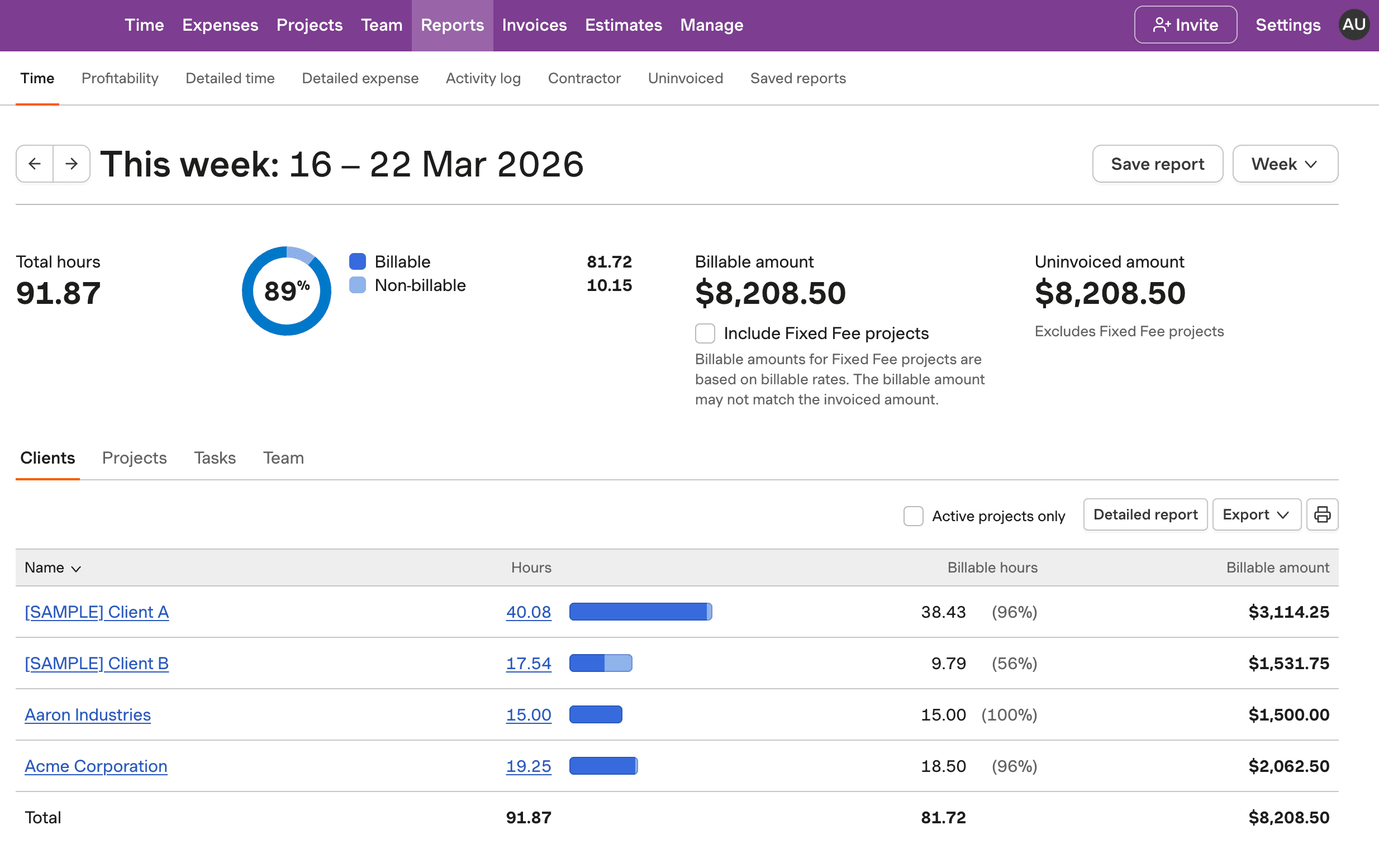
See how Harvest tracks employee breaks to ensure compliance with North Carolina laws. Easy time tracking for your team.

Screenshot of Harvest time tracking for break compliance in North Carolina.

Break Calculator for North Carolina FAQs

  • For employees aged 16 and older, there are no legal requirements for breaks in North Carolina. Employers may offer breaks, and if they do, short breaks must be paid if they last between 5 and 20 minutes.

  • Minors under 16 must receive a 30-minute break after working five consecutive hours. This rule applies to certain smaller businesses and non-profits.

  • Yes, short breaks (5-20 minutes) must be paid as work time. Meal breaks (30+ minutes) can be unpaid if employees are completely relieved of duties.

  • Nursing mothers are entitled to reasonable break times and a private space to express milk for up to one year after childbirth, under the federal PUMP Act.

  • Employers should establish clear break policies and utilize accurate time tracking systems. This helps ensure compliance with state and federal regulations.

  • Yes, employers can require employees to stay on premises during unpaid breaks, provided the employees are completely relieved of all duties during those breaks.

  • An employee handbook should clearly outline break policies, including durations, conditions for paid or unpaid breaks, and expectations for being relieved of duties.

  • To qualify as unpaid, employees must be completely relieved of all duties during their break. Any work performed requires the break to be paid.

  • The PUMP Act requires employers to provide break time and a private space for nursing mothers to express milk for up to one year after childbirth.