
Harvest
Time Tracking
Sign up free

Break Calculator for South Carolina

Harvest is a time tracking and invoicing tool that helps teams and freelancers avoid the 80% error rate common in manual timesheets, ensuring accurate project billing.

Try Harvest Free

How many hours did you work this week?

Enter your clock-in and clock-out times for each day. The calculator handles breaks, overtime, and weekly totals automatically.

Day Clock In Clock Out Break Hours
Total hours this week 0h
Regular hours (≤40) 0h
Overtime hours 0h
Average hours/day 0h
Total break time 0h

Track time automatically with Harvest

Walk through the entire flow below. Start a timer, check your reports, and create a real invoice — all in three clicks.

Go ahead — start tracking!

One click and you're timing. Try it right here: start a timer, add an entry, edit the details. This is exactly how it feels in Harvest.

  • One-click timer from browser, desktop & mobile
  • Works inside Jira, Asana, Trello, GitHub & 50+ tools
  • Duration or start/end — your call
  • Day, week & calendar views to stay on top of it all
  • Friendly reminders so no hour gets left behind
Acme Corp
Website Redesign
Homepage layout revisions
1:24:09
Content Strategy
Blog calendar planning
1:30:00
SEO Audit
Technical audit report
0:45:00
Brand Guidelines
Color system documentation
2:15:00
Logo Concepts
Initial sketches round 1
1:00:00

Understanding South Carolina's Break Laws: The Federal Connection

South Carolina does not have state-mandated break laws for adult employees, leaving many wondering how to manage their break times effectively. Instead, the state defers to federal guidelines, specifically the Fair Labor Standards Act (FLSA), which provides direction on break compensation rather than mandating them. If an employer offers breaks, those lasting between 5 to 20 minutes are considered part of the workday and must be paid, whereas meal breaks of 30 minutes or longer can be unpaid, provided the employee is completely relieved of duties.

However, if work is performed during these breaks, such as answering emails or calls, the break time must be compensated. Employers in South Carolina must ensure compliance with these guidelines to avoid legal repercussions, including potential fines and lawsuits for unpaid wages.
Specific Break Provisions: Minors and Nursing Mothers

While South Carolina does not specifically mandate breaks for minors, child labor laws restrict the working hours for those aged 14 and 15. During school breaks, they can work up to 40 hours a week, but during the school year, their work is limited to 18 hours per week. For nursing mothers, South Carolina law requires employers to provide reasonable unpaid break time to express milk in a private, non-bathroom space.

This legislation ensures that nursing mothers have the necessary accommodations, although employers can claim exemption if providing such breaks causes undue hardship. Understanding these specific provisions is crucial for both employees and employers to ensure compliance and support workplace well-being.

Employer Best Practices for Break Management

Given the lack of state mandates, employers in South Carolina should develop clear break policies to align with federal standards and promote employee satisfaction. A well-documented policy can address the duration and frequency of breaks, whether paid or unpaid, and set clear expectations for employees. Consistency in applying these policies is key to avoiding discrimination claims.

Employers should also implement time tracking systems to monitor break compliance and ensure that short breaks are paid while meal breaks are properly logged. Such proactive measures not only comply with legal requirements but also contribute to a positive work environment by respecting employee needs for rest and recuperation.

Common Questions and Misconceptions About SC Breaks

Many employees and employers have questions about break requirements in South Carolina. Contrary to popular belief, there is no state law requiring lunch or rest breaks for adults, nor is there a mandated day of rest. However, federal law ensures that short breaks must be compensated if offered.

Misunderstandings often arise regarding the consequences of working through breaks. If an employer fails to uphold their break policy, they may face legal action for unpaid wages. Clear communication and consistent policy implementation can help mitigate these risks and clarify break entitlements for all employees.

Harvest Break Time Tracking

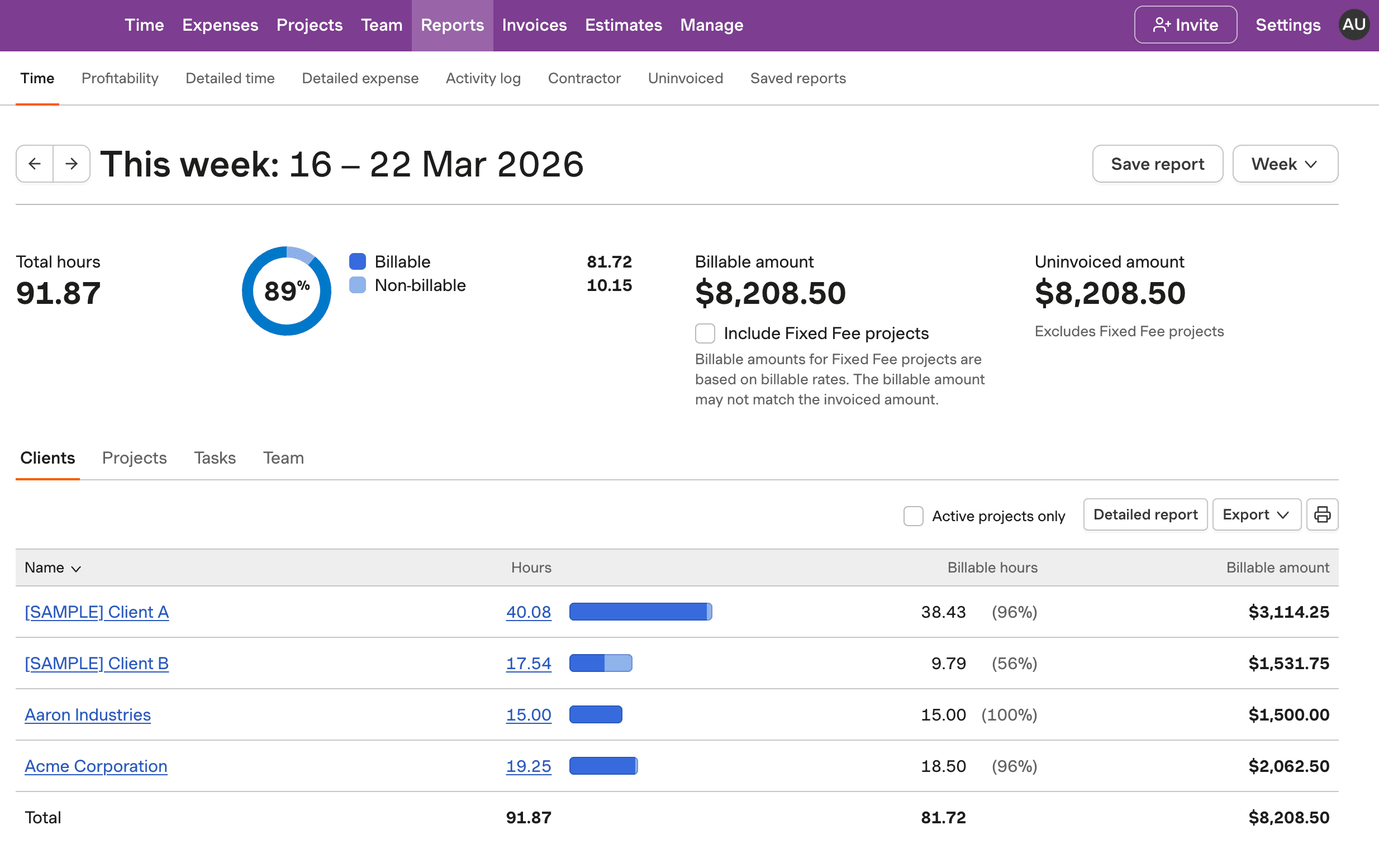
Explore how Harvest tracks work hours for South Carolina employees, ensuring accurate break and billing management.

Screenshot of Harvest time tracking dashboard for South Carolina employees.

Break Calculator for South Carolina FAQs

  • In South Carolina, state law does not require employers to provide lunch breaks for adults. The state follows federal guidelines, which do not mandate breaks but require compensation if they are provided. Meal breaks of 30 minutes or longer can be unpaid if the employee is relieved of duties.

  • Since South Carolina does not have specific break requirements, calculating break times depends on your employer's policy. If breaks are offered, federal law requires that short breaks (5-20 minutes) be paid, while longer meal breaks (30+ minutes) can be unpaid if duties are completely relieved.

  • While South Carolina does not mandate breaks for minors, child labor laws restrict working hours. Minors aged 14 and 15 can work up to 40 hours a week during school breaks and 18 hours per week during the school year, often with employer-determined breaks.

  • South Carolina requires employers to provide reasonable unpaid break time for nursing mothers to express milk in a private space. Employers may be exempt if it poses undue hardship, but this accommodation is essential for supporting nursing mothers in the workplace.

  • If an employer requires work during a meal break, the break must be paid according to federal law. While South Carolina does not mandate lunch breaks, employers must compensate employees if they perform any duties during break times.

  • Breaks during an 8-hour shift in South Carolina depend on the employer's policy, as the state does not mandate breaks. However, if breaks are provided, short breaks must be paid, and meal breaks can be unpaid if duties are relieved.

  • If an employer does not adhere to their break policy, they may face legal consequences, including claims for unpaid wages. Consistency and transparency in policy application are crucial to avoiding potential disputes.