
Harvest
Time Tracking
Sign up free

Break Calculator for Tennessee

Harvest offers a comprehensive solution for time tracking and invoicing, ideal for teams and freelancers seeking to streamline project management and billing processes.

Try Harvest Free

What's your real hourly rate?

Convert between annual salary and hourly rate — adjusted for actual working weeks, hours, and benefits. Compare job offers on equal terms.

$
52 minus vacation and holidays. US average: 49-50 weeks.
20%
Health insurance, 401k match, PTO value. Typical range: 15-30% of salary.
Equivalent hourly rate $0
With benefits value $0
Monthly gross $0
Weekly gross $0
Daily gross $0

Track what your time is worth

Walk through the entire flow below. Start a timer, check your reports, and create a real invoice — all in three clicks.

Go ahead — start tracking!

One click and you're timing. Try it right here: start a timer, add an entry, edit the details. This is exactly how it feels in Harvest.

  • One-click timer from browser, desktop & mobile
  • Works inside Jira, Asana, Trello, GitHub & 50+ tools
  • Duration or start/end — your call
  • Day, week & calendar views to stay on top of it all
  • Friendly reminders so no hour gets left behind
Acme Corp
Website Redesign
Homepage layout revisions
1:24:09
Content Strategy
Blog calendar planning
1:30:00
SEO Audit
Technical audit report
0:45:00
Brand Guidelines
Color system documentation
2:15:00
Logo Concepts
Initial sketches round 1
1:00:00

Understanding Tennessee's Meal Break Law

In Tennessee, employees are entitled to a minimum 30-minute meal break if they work six or more consecutive hours. This break is mandated by state law to ensure that workers have time to rest and recharge, contributing to both productivity and job satisfaction. However, this break is typically unpaid, provided the employee is fully relieved of all duties during this time. Employers must schedule this break after the first hour and before the fifth hour of the shift to comply with legal requirements.

Employers with at least five employees must adhere to this regulation, ensuring that breaks are properly scheduled and that employees are not required to perform tasks during this time. For minor employees under 18, this rule is even stricter, as they cannot waive their right to a meal break. It's important for businesses to understand these regulations to avoid penalties, which can include fines ranging from $100 to $500 for each violation, and potentially higher for willful violations.
Exceptions and Special Considerations in Tennessee

While Tennessee's meal break law is straightforward, certain exceptions exist. The "ample opportunity" clause allows some businesses to forgo the mandatory meal break if the nature of the work provides frequent chances for rest. However, this does not apply to minors, who are always entitled to their breaks. Additionally, employees in the food and beverage industry who receive and report tips may voluntarily waive their meal breaks, provided this decision is documented and not coerced.

Although short rest breaks are not required by Tennessee law, they are often provided by employers. Federal law mandates that if these breaks are under 20 minutes, they must be paid. This ensures that employees are compensated for brief periods of rest, maintaining fairness in the workplace. Employers must carefully document any waivers and ensure compliance to avoid non-compliance penalties.

Child Labor Laws and Breaks for Minors

Tennessee's child labor laws include specific break requirements to protect young workers. Minors who work six consecutive hours are entitled to a 30-minute unpaid meal break, which cannot be waived. This law ensures that young employees receive adequate rest, contributing to their safety and well-being at work. Employers must schedule these breaks appropriately, not during the first hour of the shift.

In addition to break regulations, minors face restrictions on working hours. For instance, 16 and 17-year-olds cannot work between 10:00 p.m. and 6:00 a.m. on school nights, unless permitted by parental consent for extended hours. Understanding and adhering to these laws is crucial for employers to avoid penalties and ensure a safe working environment for young employees.

Employer and Employee Responsibilities

Employers in Tennessee must ensure compliance with meal break laws by properly scheduling breaks and relieving employees of duties during this time. Documentation is key, especially when waivers are involved for tipped employees. Employers must also provide lactation breaks, offering reasonable time and private space for nursing mothers, as required by state law.

Employees should be aware of their rights, including the entitlement to a 30-minute meal break if working six consecutive hours. If employers fail to provide these breaks, employees can report violations to the Tennessee Department of Labor & Workforce Development. Maintaining compliance not only avoids legal penalties but also promotes a positive workplace culture.

Calculate Breaks with Harvest

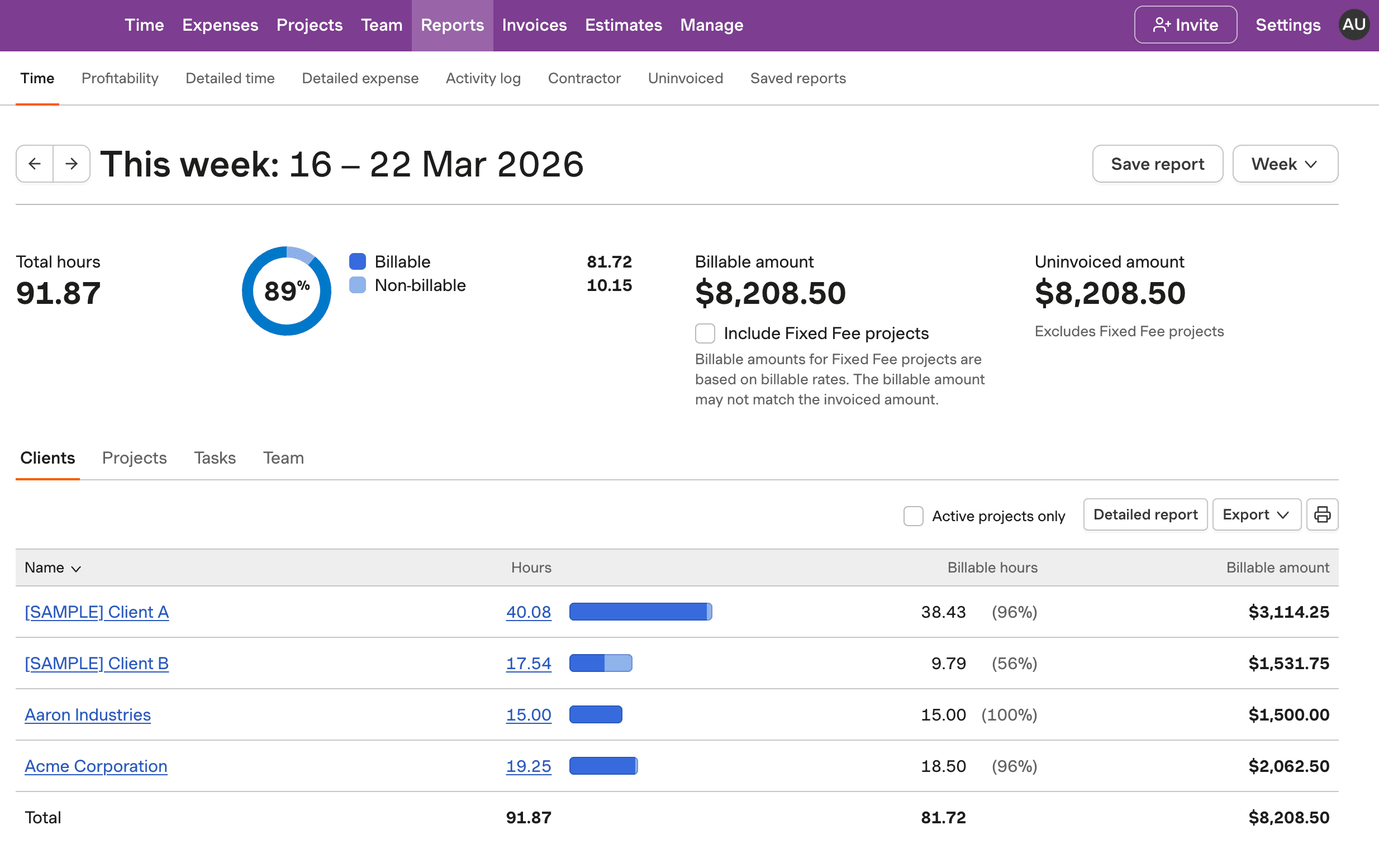
See how Harvest calculates breaks and take-home pay for Tennessee employees, ensuring compliance with state laws.

Harvest interface showing break and salary calculations for Tennessee employees.

Break Calculator for Tennessee FAQs

  • In Tennessee, employees must receive a 30-minute meal break if they work six or more consecutive hours. This break is typically unpaid, provided they are relieved of all duties during this time.

  • Only tipped employees in the food and beverage industry can voluntarily waive their meal break, provided it is documented and not coerced. Minors cannot waive their breaks.

  • While Tennessee law does not mandate short rest breaks, federal law requires that breaks under 20 minutes be paid if provided. Employers must comply with federal regulations regarding these breaks.

  • Employers who violate Tennessee's meal break laws may face fines ranging from $100 to $500 per violation. Willful violations can incur higher penalties and potential legal action.

  • The "ample opportunity" clause allows workplaces where employees have frequent rest opportunities to be exempt from the mandatory meal break, but this does not apply to minors.

  • Minors must receive a 30-minute unpaid break if working six consecutive hours, and this cannot be waived. Additional restrictions apply to their working hours.

  • Employers must provide reasonable breaks and a private space for nursing mothers to express milk, adhering to state requirements for lactation accommodations.