
Harvest
Time Tracking
Sign up free

Break Calculator in Turkey

Harvest ensures compliance with Turkey's break regulations, offering tools to calculate mandatory rest periods based on work hours, enhancing workforce well-being.

Try Harvest Free

How many hours did you work this week?

Enter your clock-in and clock-out times for each day. The calculator handles breaks, overtime, and weekly totals automatically.

Day Clock In Clock Out Break Hours
Total hours this week 0h
Regular hours (≤40) 0h
Overtime hours 0h
Average hours/day 0h
Total break time 0h

Track time automatically with Harvest

Walk through the entire flow below. Start a timer, check your reports, and create a real invoice — all in three clicks.

Go ahead — start tracking!

One click and you're timing. Try it right here: start a timer, add an entry, edit the details. This is exactly how it feels in Harvest.

  • One-click timer from browser, desktop & mobile
  • Works inside Jira, Asana, Trello, GitHub & 50+ tools
  • Duration or start/end — your call
  • Day, week & calendar views to stay on top of it all
  • Friendly reminders so no hour gets left behind
Acme Corp
Website Redesign
Homepage layout revisions
1:24:09
Content Strategy
Blog calendar planning
1:30:00
SEO Audit
Technical audit report
0:45:00
Brand Guidelines
Color system documentation
2:15:00
Logo Concepts
Initial sketches round 1
1:00:00

Understanding Mandatory Rest Breaks in Turkish Labor Law

Turkey's Labor Law No. 4857 mandates specific rest break durations based on daily working hours, ensuring workers have necessary downtime during their shifts. According to Article 68 of the law, employees are entitled to breaks of varying lengths depending on the duration of their workday. For instance, if the working period is four hours or less, a 15-minute break is required. For work lasting more than four hours but up to seven and a half hours, a 30-minute break is mandated, while work exceeding seven and a half hours necessitates a one-hour rest period.

These breaks are generally unpaid, allowing employees the freedom to spend this time as they wish, whether inside or outside the workplace. Although breaks should ideally be taken uninterruptedly, they can be split or scheduled differently based on mutual agreements, considering factors such as climate or work nature. Employers must ensure these rest periods are provided, maintaining compliance with legal standards to foster a conducive work environment.
Calculating and Implementing Daily and Weekly Rest Periods

Employers in Turkey are required to calculate and implement daily and weekly rest periods in accordance with labor laws. The standard workweek should not exceed 45 hours, with daily working hours capped at 11 hours. To ensure compliance, employers can follow a simple calculation method: grant a 15-minute break for up to four hours of work, a 30-minute break for more than four but up to seven and a half hours, and a one-hour break for any period exceeding seven and a half hours.

Aside from daily breaks, employees are entitled to a 24-hour uninterrupted weekly rest period. This rest day must be paid as if the employee had worked, reinforcing the importance of rest for productivity and well-being. Employers must document these breaks and ensure they align with statutory requirements to avoid penalties and improve employee satisfaction.

Special Considerations: Night Shifts, Overtime, and Specific Industries

Night shifts and specific industries in Turkey come with unique considerations regarding rest breaks. Night work is generally limited to 7.5 hours within a 24-hour period. However, exceptions exist in sectors like tourism, private security, and healthcare, where night work can exceed this limit with the employee's written consent. Shift workers must rotate between night and day shifts weekly or biweekly, with a mandatory 11-hour rest period between shifts.

Overtime is another critical consideration, with an annual limit set at 270 hours per employee. Overtime compensation is typically at 150% of the regular hourly wage, though employees can choose compensatory time off instead. Understanding these nuances helps employers navigate labor laws effectively while safeguarding worker rights.

Employee Rights and Employer Obligations Regarding Breaks

In Turkey, employees possess specific rights concerning rest breaks, and employers have corresponding obligations. Employees must receive their entitled breaks as per Labor Law No. 4857, and any violations can be reported to the labor inspectorate or an industrial tribunal. Employers are responsible for ensuring these legal requirements are met, which includes clear communication of break policies and maintaining accurate records.

Best practices for employers include scheduling breaks to meet statutory minimums, providing a safe environment for breaks, and ensuring employees are genuinely relieved of duties during these times. These steps not only ensure legal compliance but also contribute to a healthier, more productive workforce.

Calculate Breaks with Harvest

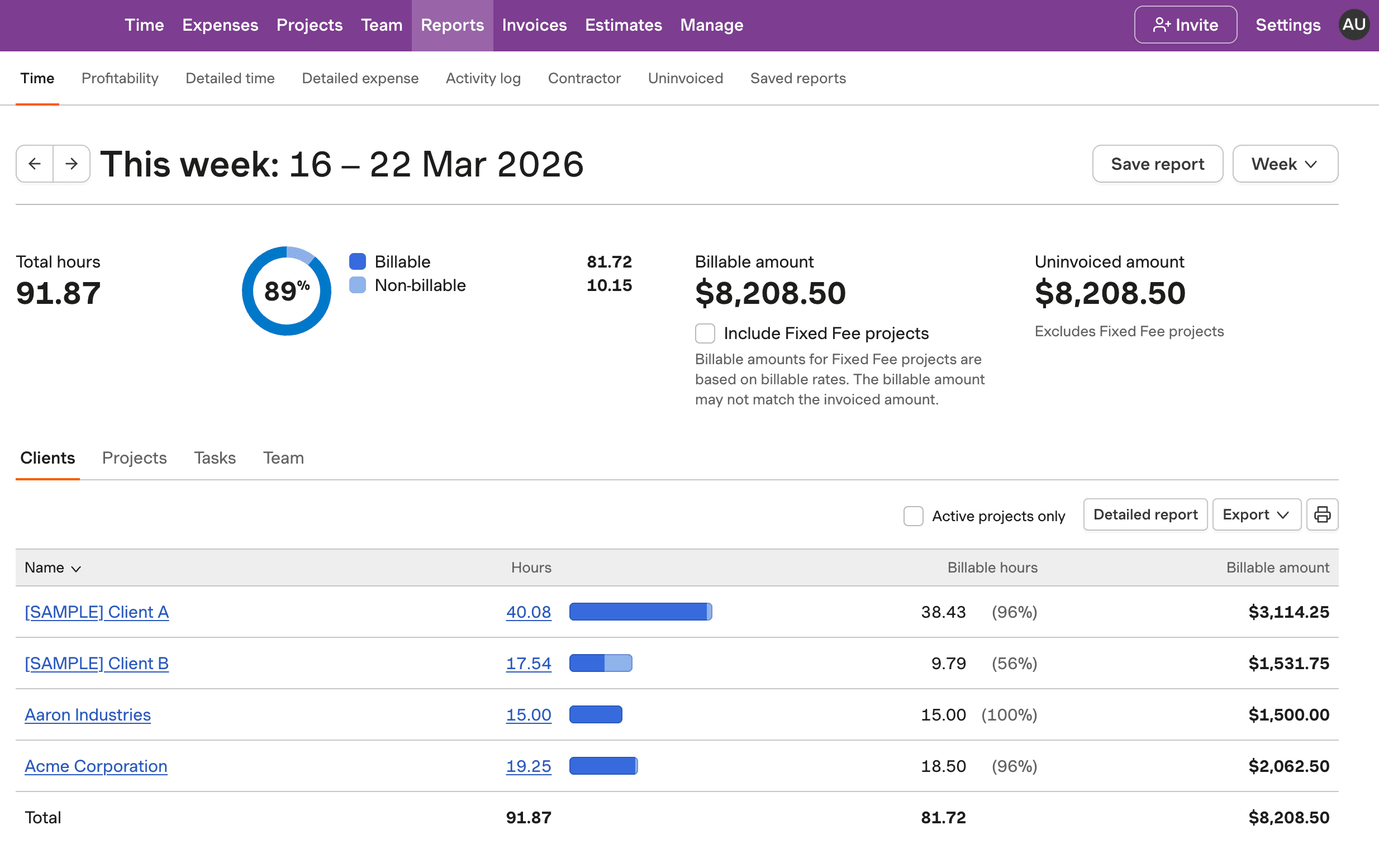
Harvest provides a break calculator to ensure compliance with Turkey's labor laws, helping manage mandatory rest periods effectively.

Screenshot of Harvest's break calculator for Turkey's labor compliance.

Break Calculator in Turkey FAQs

  • Yes, breaks are mandatory under Turkish Labor Law No. 4857. The law specifies minimum break durations based on daily working hours to ensure employee well-being.

  • Lunch break durations in Turkey vary based on daily work hours: 15 minutes for up to 4 hours of work, 30 minutes for 4 to 7.5 hours, and 1 hour for work exceeding 7.5 hours.

  • Night shifts in Turkey are limited to 7.5 hours within a 24-hour period, with exceptions for certain sectors like tourism and healthcare. Employees must have a mandatory 11-hour rest between shifts.

  • Overtime in Turkey is compensated at 150% of the regular hourly wage. Alternatively, employees may choose compensatory time off, receiving 1.5 hours off for each hour of overtime worked.

  • Breaks can be split or scheduled at different times through mutual agreements, considering factors like climate and work nature. However, statutory minimums must still be met.

  • If an employee's break rights are violated, they can report the issue to the labor inspectorate or an industrial tribunal, ensuring legal compliance and protection of their rights.

  • Traditionally, a mandatory day off is required after a maximum of six consecutive working days, though recent changes allow some flexibility in certain sectors.