Sign up free
Understanding Billable vs. Non-Billable Hours
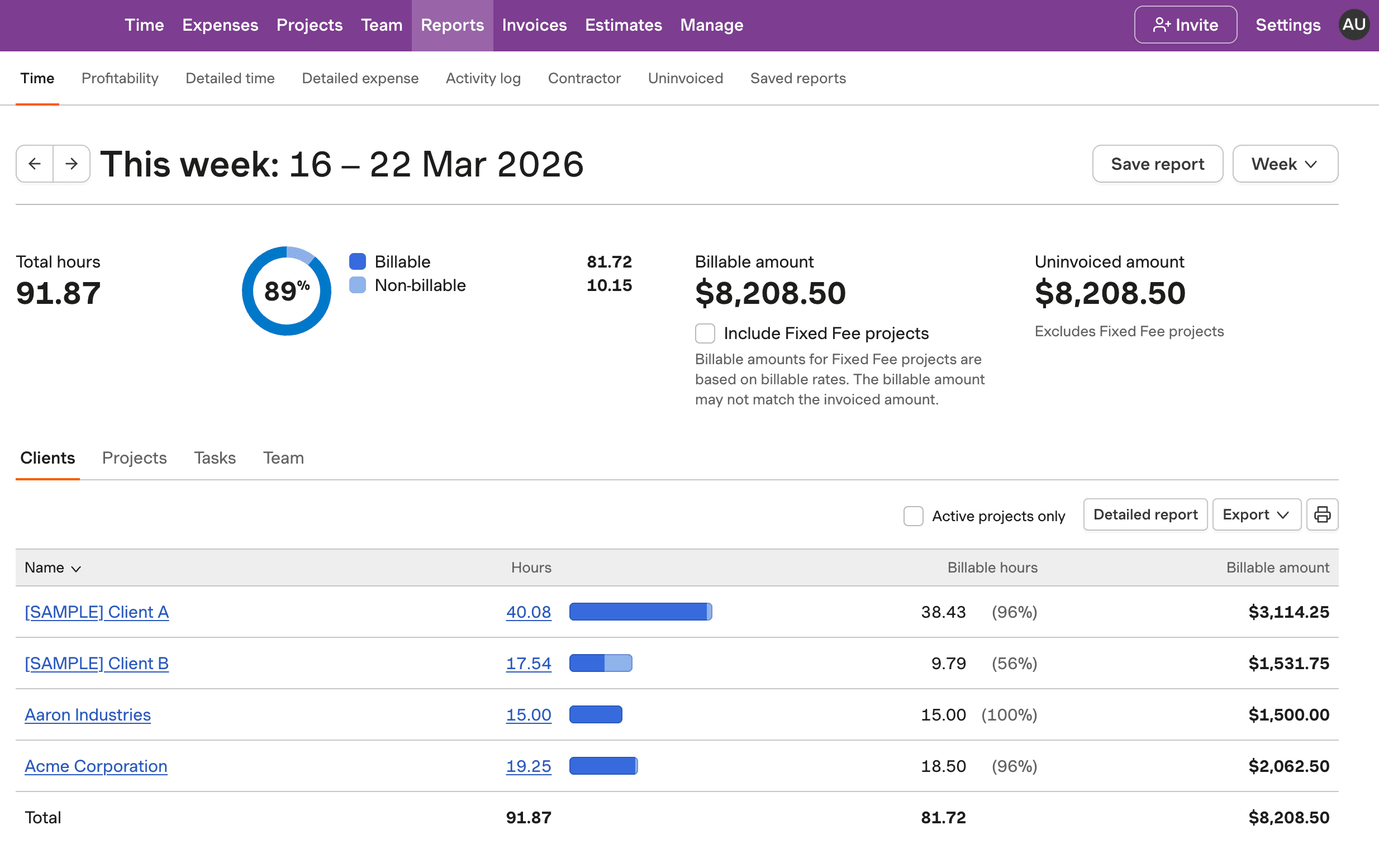
Billable hours are the foundation of revenue generation for professionals who charge clients for their time. These are the hours spent directly on client-related tasks that can be invoiced. In contrast, non-billable hours include internal activities like administrative work, training, and business development, which, while essential, do not directly contribute to revenue. Understanding this distinction is crucial for accurate financial forecasting and maintaining profitability. For example, if billable hours are not tracked accurately, professionals may experience a 10% revenue loss due to delayed time entry. In extreme cases, waiting until the end of the week to log hours could result in losing up to 50% of potential billable time.
To ensure clarity and efficiency, professionals should clearly define what constitutes a billable task within their contracts. Typical billable activities may include consulting calls, project-specific design or development work, and client meetings. On the other hand, tasks like internal team meetings and general research often fall under non-billable categories. By leveraging tools like Harvest, which offers detailed time tracking and reporting capabilities, businesses can effectively distinguish between billable and non-billable hours, optimizing their billing practices.