
Harvest
Time Tracking
Sign up free

Calculate Required Breaks

Determine required breaks based on shift length. Harvest tracks work hours and break time to help your team stay compliant and rested.

Try Harvest Free

How many hours did you work this week?

Enter your clock-in and clock-out times for each day. The calculator handles breaks, overtime, and weekly totals automatically.

Day Clock In Clock Out Break Hours
Total hours this week 0h
Regular hours (≤40) 0h
Overtime hours 0h
Average hours/day 0h
Total break time 0h

Track time automatically with Harvest

Walk through the entire flow below. Start a timer, check your reports, and create a real invoice — all in three clicks.

Go ahead — start tracking!

One click and you're timing. Try it right here: start a timer, add an entry, edit the details. This is exactly how it feels in Harvest.

  • One-click timer from browser, desktop & mobile
  • Works inside Jira, Asana, Trello, GitHub & 50+ tools
  • Duration or start/end — your call
  • Day, week & calendar views to stay on top of it all
  • Friendly reminders so no hour gets left behind
Acme Corp
Website Redesign
Homepage layout revisions
1:24:09
Content Strategy
Blog calendar planning
1:30:00
SEO Audit
Technical audit report
0:45:00
Brand Guidelines
Color system documentation
2:15:00
Logo Concepts
Initial sketches round 1
1:00:00

Understanding Break Requirements Across States

Break requirements vary significantly across different states, making it crucial for employers and employees to understand their specific obligations. For example, California mandates a 30-minute meal break for shifts over 5 hours, while New York requires a meal break for shifts over 6 hours. Understanding these differences is essential to ensure compliance and avoid potential legal issues. Failure to provide the required breaks can lead to penalties and negatively impact employee morale.

To calculate required breaks accurately, you must consider both the length of the shift and the specific state laws. Many states also have additional regulations for minors or specific industries, further complicating compliance. Having accurate data on shift lengths and applicable laws is crucial for employers to meet legal requirements.
Legal Implications of Non-Compliance

Ignoring break requirements can have serious legal consequences for businesses. Non-compliance can result in fines, lawsuits, and increased scrutiny from labor boards. For instance, businesses in California that fail to provide the mandated breaks may face penalties of one hour’s pay for each workday a meal or rest period was not provided, as per the state labor code.

Ensuring compliance not only avoids these legal pitfalls but also improves employee satisfaction and productivity. Employees who receive their entitled breaks are generally more focused and efficient, reducing errors and increasing overall performance. Thus, understanding and implementing proper break schedules is beneficial both legally and operationally.

Optimizing Break Schedules for Productivity

While compliance with legal requirements is crucial, optimizing break schedules can further enhance productivity. Studies suggest that taking regular breaks can improve focus and reduce fatigue, leading to more consistent performance throughout the day. For example, implementing a 10-minute break every hour can increase productivity by up to 15%, as employees return to tasks refreshed and more attentive.

Employers can use this data to design break schedules that not only meet legal requirements but also maximize employee productivity. This approach helps create a balanced work environment where employees feel valued and motivated, ultimately benefiting the business's bottom line.

Tools to Aid in Calculating Breaks

Several resources can assist employers in calculating required breaks accurately. While Harvest excels at time tracking and invoicing, it does not specifically manage break requirements. However, employers can complement Harvest's capabilities with other tools designed to comply with labor laws and optimize scheduling.

Using dedicated break calculators or consulting state labor resources can provide the necessary guidance. These tools help ensure compliance with state-specific regulations and optimize break scheduling to enhance productivity. By integrating these solutions, businesses can maintain legal compliance and foster a productive workplace.

Calculate Required Breaks with Harvest

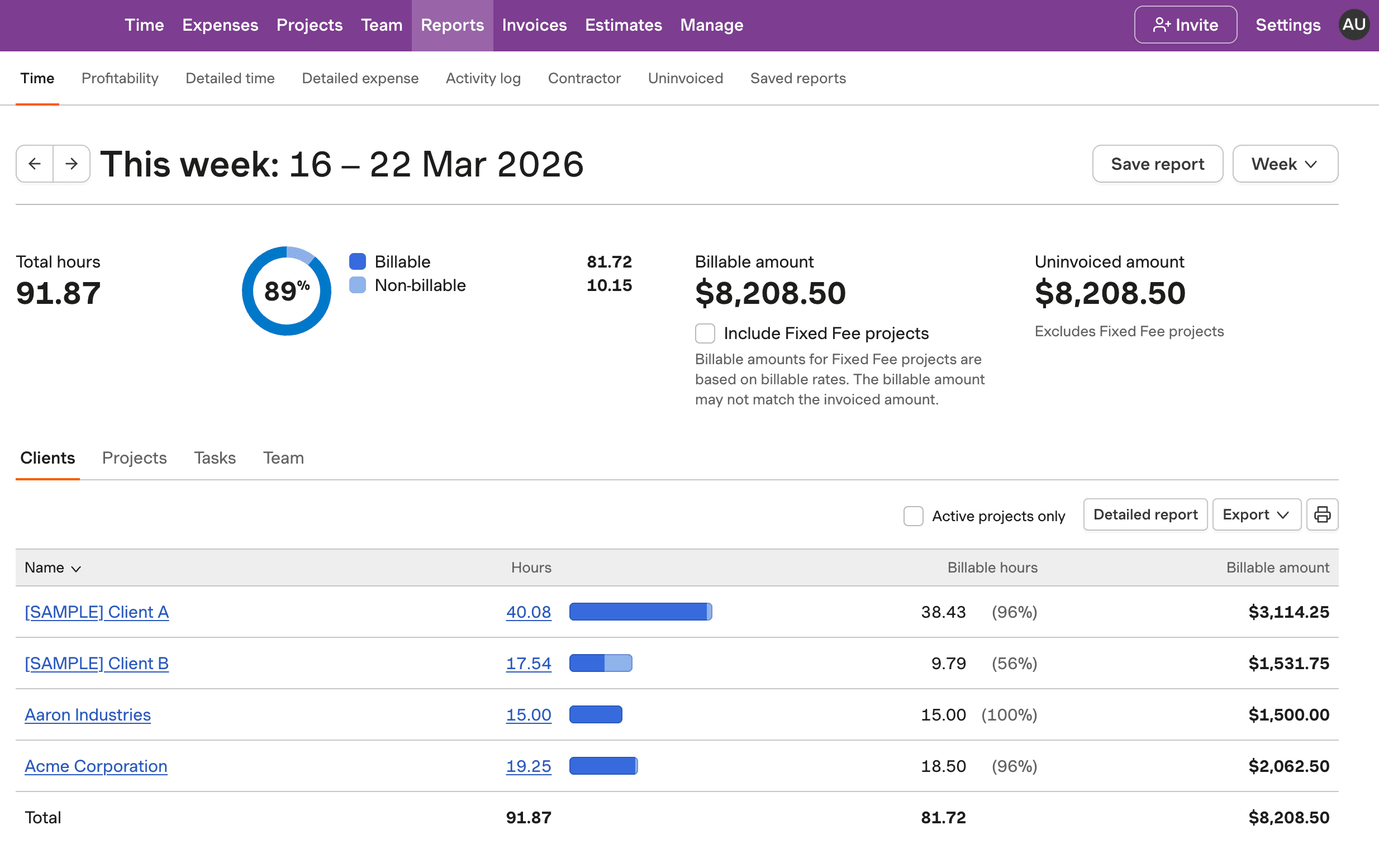
See how Harvest tracks time to help manage work hours. Break calculation requires additional tools for compliance.

Screenshot showing Harvest's time tracking interface relevant to break calculation.

Calculate Required Breaks FAQs

  • Calculate required breaks by consulting your state's labor laws, which specify break durations based on shift lengths. Most states have specific requirements for meal and rest breaks, often varying for different shift durations and industries.

  • Failing to provide required breaks can lead to financial penalties and legal action. For example, in California, employers may owe one hour's pay for each workday a break was not provided, impacting both finances and employee relations.

  • Optimizing break schedules involves aligning break times with peak productivity periods. Studies suggest short, regular breaks can boost focus and efficiency by up to 15%, benefiting both employees and overall productivity.

  • While Harvest specializes in time tracking, other tools specifically designed for break compliance can aid in calculating required breaks. Consulting state labor resources or using break calculators can also ensure legal adherence.

  • Harvest tracks overall work hours and can help manage schedules but does not specifically track break times or compliance with break laws. Employers should use complementary tools for break management.

  • State labor laws dictate specific break requirements based on shift length and industry. These laws vary, so understanding your state’s regulations is crucial for legal compliance and proper scheduling.

  • Compliance with break laws is essential to avoid financial penalties and legal issues. It also ensures a fair working environment, positively impacting employee satisfaction and reducing turnover.