
Harvest
Time Tracking
Sign up free

Time Tracking in Hungary

Struggling with time tracking compliance in Hungary? Harvest offers adaptable solutions to meet EU and Hungarian mandates, ensuring legal adherence and efficient time management.

Try Harvest Free

How many hours did you work this week?

Enter your clock-in and clock-out times for each day. The calculator handles breaks, overtime, and weekly totals automatically.

Day Clock In Clock Out Break Hours
Total hours this week 0h
Regular hours (≤40) 0h
Overtime hours 0h
Average hours/day 0h
Total break time 0h

Track time automatically with Harvest

Walk through the entire flow below. Start a timer, check your reports, and create a real invoice — all in three clicks.

Go ahead — start tracking!

One click and you're timing. Try it right here: start a timer, add an entry, edit the details. This is exactly how it feels in Harvest.

  • One-click timer from browser, desktop & mobile
  • Works inside Jira, Asana, Trello, GitHub & 50+ tools
  • Duration or start/end — your call
  • Day, week & calendar views to stay on top of it all
  • Friendly reminders so no hour gets left behind
Acme Corp
Website Redesign
Homepage layout revisions
1:24:09
Content Strategy
Blog calendar planning
1:30:00
SEO Audit
Technical audit report
0:45:00
Brand Guidelines
Color system documentation
2:15:00
Logo Concepts
Initial sketches round 1
1:00:00

The Legal Landscape: Hungarian and EU Time Tracking Mandates

Understanding the regulatory framework for time tracking in Hungary is essential for both employers and employees. The European Court of Justice's 2019 ruling mandates that all EU employers, including those in Hungary, establish an "objective, reliable, and accessible system" for measuring employee working time. This is to ensure compliance with the EU Working Time Directive, aimed at safeguarding employee health and safety. Hungarian labor law, governed by the Labour Code (Act I of 2012), already includes specific timekeeping requirements which align with this EU directive.

Failure to comply with these regulations can lead to significant consequences. Employers must maintain accurate records of working hours, which can be inspected by labor authorities. Non-compliance might result in fines and legal actions. Importantly, the burden of proof in overtime disputes now lies with employers, requiring them to disprove any alleged overtime if records are challenged.
Understanding Working Hours, Overtime, and Rest Periods

The standard workweek in Hungary is defined as 40 hours, typically divided into 8-hour days over five days. However, exceptions exist, allowing the daily working hours to extend up to 12 hours in specific cases, such as for "stand-by" jobs. The maximum weekly working time, including overtime, is capped at 48 hours, extendable to 72 hours with the employee's consent under certain conditions.

Overtime regulations are stringent, with a maximum of 250 hours allowed annually. This limit can reach 300 hours with a collective agreement or up to 400 hours with voluntary employee consent. Compensation for overtime must be at least 150% of the regular rate on weekdays, escalating to 200% for weekends or public holidays. Moreover, employees are entitled to breaks and rest periods, including a minimum 20-minute break for shifts over six hours and a mandatory 11-hour rest between shifts.

Implementing Compliant Time Tracking Systems and Best Practices

To comply with Hungarian time tracking regulations, employers must implement a system that records working hours accurately and daily. These records should include start and end times for regular work, overtime, and any "stand-by" duties. While real-time recording is not mandated, the system must ensure objectivity and credibility.

Electronic record-keeping is permitted, facilitating a centralized management approach. It is crucial that employers communicate working hours, time frames, and rest periods to employees clearly, ideally within the first week of employment. Regular audits of time tracking practices are recommended to maintain compliance and ensure alignment with both Hungarian and EU regulations.

Impact on the Workforce: Employer and Employee Perspectives

Implementing robust time tracking systems benefits both employers and employees in Hungary. For employers, accurate time tracking supports proper payroll management, resource planning, and provides legal protection against disputes. For employees, it ensures fair compensation for overtime, supports a healthy work-life balance, and provides legal recourse if discrepancies arise.

Different worker categories, such as minors and pregnant employees, have additional protections under Hungarian law. For instance, minors are restricted from working overtime, and pregnant employees are exempt from overtime during pregnancy and until their child is three years old. These regulations highlight the importance of tailored time tracking solutions that consider the unique needs of diverse employee groups.

Best Practices for Time Tracking Compliance in Hungary

Adhering to best practices in time tracking is crucial for compliance in Hungary. Employers should establish a reliable system that meets legal requirements while being adaptable to various work conditions. This includes communicating clear policies regarding working hours and overtime management, ensuring accurate and timely record-keeping, and providing necessary training for employees on using the time tracking system effectively.

Moreover, employers must handle time tracking data in compliance with the General Data Protection Regulation (GDPR), safeguarding employee privacy. Regular reviews and consultations with legal advisors can help maintain compliance and adapt to any legislative changes. By following these best practices, companies can ensure they meet legal obligations while fostering a positive workplace environment.

Time Tracking in Hungary with Harvest

See how Harvest helps ensure compliance with Hungarian time tracking regulations, offering tools for accurate and lawful time management.

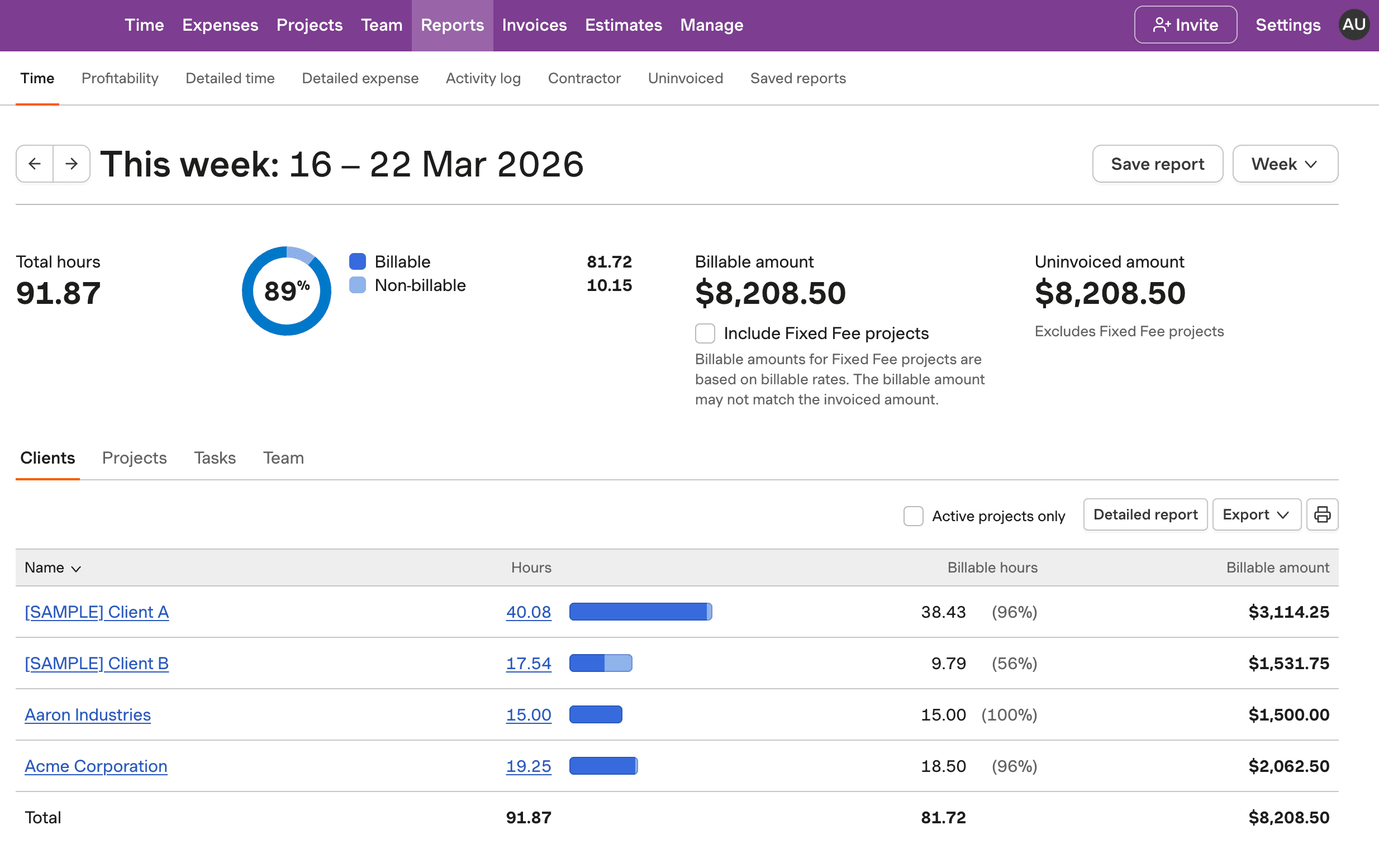
Harvest time tracking dashboard for Hungary compliance

Time Tracking in Hungary FAQs

  • In Hungary, employers must establish an "objective, reliable, and accessible system" for tracking employee working time, in compliance with both EU directives and the Hungarian Labour Code. This includes maintaining accurate daily records of working hours, overtime, and rest periods.

  • Hungarian labor laws require detailed record-keeping of working hours, including overtime, and mandate specific rest periods. Employers must comply with these regulations to avoid fines and legal actions, and ensure they are prepared for inspections by labor authorities.

  • The legal annual overtime limit in Hungary is 250 hours, extendable to 300 hours via collective agreements. Additionally, up to 400 hours of overtime can be agreed upon voluntarily. Overtime compensation must be at least 150% of regular pay for weekdays, and 200% for weekends and holidays.

  • Time tracking records in Hungary must be updated daily and accurately reflect working hours, overtime, and rest periods. Electronic record-keeping is acceptable, allowing centralized management of these records, provided they maintain objectivity and credibility.

  • Non-compliance with time tracking laws in Hungary can result in fines and legal action. Employers are responsible for maintaining accurate records to avoid disputes and to demonstrate adherence to labor regulations during official inspections.

  • Harvest offers adaptable time tracking solutions that support compliance with EU and Hungarian regulations. While specific legal compliance needs must be addressed separately, Harvest's tools can aid in accurate and efficient time management.

  • Employees in Hungary are entitled to a minimum of 20 minutes break if their daily working time exceeds six hours, and an additional 25-minute break for over nine hours. A minimum of 11 hours of uninterrupted rest must be provided between shifts, except in special cases.