
Harvest
Time Tracking
Sign up free

Capacity Utilization Calculator in the Middle East

Harvest offers efficient solutions for businesses in the Middle East seeking to optimize time tracking and project management, crucial for enhancing capacity utilization.

Try Harvest Free

How much revenue is your team leaving on the table?

Most agencies run at 55-60% utilization. Even a small improvement means significant revenue. See what closing the gap looks like for your team.

Number of people who track billable time
$
Blended rate across roles (junior, senior, lead)
55%
Percentage of total hours that are billable. Industry average is 55-60%.
75%
A realistic target for service businesses is 70-80%.
Monthly revenue gap $0
Revenue at current utilization $0/mo
Revenue at target utilization $0/mo
Extra billable hours needed per person/day 0h
Annual revenue opportunity $0

Start tracking team utilization

Walk through the entire flow below. Start a timer, check your reports, and create a real invoice — all in three clicks.

Go ahead — start tracking!

One click and you're timing. Try it right here: start a timer, add an entry, edit the details. This is exactly how it feels in Harvest.

  • One-click timer from browser, desktop & mobile
  • Works inside Jira, Asana, Trello, GitHub & 50+ tools
  • Duration or start/end — your call
  • Day, week & calendar views to stay on top of it all
  • Friendly reminders so no hour gets left behind
Acme Corp
Website Redesign
Homepage layout revisions
1:24:09
Content Strategy
Blog calendar planning
1:30:00
SEO Audit
Technical audit report
0:45:00
Brand Guidelines
Color system documentation
2:15:00
Logo Concepts
Initial sketches round 1
1:00:00

Understanding Capacity Utilization in the Middle East

Capacity utilization is a critical metric for businesses, reflecting the percentage of a company's potential output that is actually being utilized. For organizations operating in the Middle East, understanding this concept is essential due to the region's dynamic economic environment. Capacity utilization is calculated using the formula: (Actual Output ÷ Maximum Possible Output) × 100. This measure helps businesses assess their efficiency and resource allocation, allowing them to identify areas for improvement and cost management.

In the Middle East, optimal capacity utilization rates vary by industry. For manufacturers, an 85% utilization rate is often considered ideal, balancing efficiency with the flexibility needed to handle unexpected demands or maintenance. In Saudi Arabia, for example, Saudi Aramco's refining capacity utilization was 76% in 2023, handling an output of 2.5 million barrels per day against a capacity of 3.3 million b/d. Such data underscores the importance of maintaining robust utilization practices in the region.
Factors Influencing Capacity Utilization in the Middle East

Several factors influence capacity utilization rates in the Middle East, including economic conditions, government policies, and geopolitical tensions. Saudi Arabia's industrial production saw a 10.4% year-on-year increase in January 2026, highlighting the region's industrial growth potential. Government initiatives like the UAE's "Operation 300bn" aim to bolster the industrial sector, targeting a GDP contribution increase from AED 133 billion in 2021 to AED 300 billion by 2031.

However, challenges persist, such as geopolitical tensions affecting air cargo capacity and industrial output. For instance, disruptions in the Strait of Hormuz could impact up to 2 million bpd of Gulf refining capacity. Despite these challenges, strategic investments in sectors like manufacturing and mining are crucial for enhancing capacity utilization, with the Middle East currently managing $33 billion in active projects.

Calculating and Improving Capacity Utilization in the Middle East

To calculate capacity utilization effectively, businesses should follow a structured approach. First, measure the actual output produced. Second, determine the theoretical maximum output under ideal conditions. Finally, apply the formula: (Actual Output ÷ Maximum Possible Output) × 100. This calculation provides a clear picture of how well a company is utilizing its resources.

Improving capacity utilization involves adopting best practices such as leveraging technology and automation. The integration of Industry 4.0 technologies can significantly enhance operational efficiency. Moreover, companies should focus on mitigating risks associated with geopolitical instability and supply chain disruptions. By doing so, businesses can not only sustain but also enhance their capacity utilization rates, ensuring long-term growth and stability in the Middle Eastern market.

Optimize Capacity Utilization with Harvest

Explore how Harvest helps businesses in the Middle East enhance capacity utilization through effective time tracking and project management.

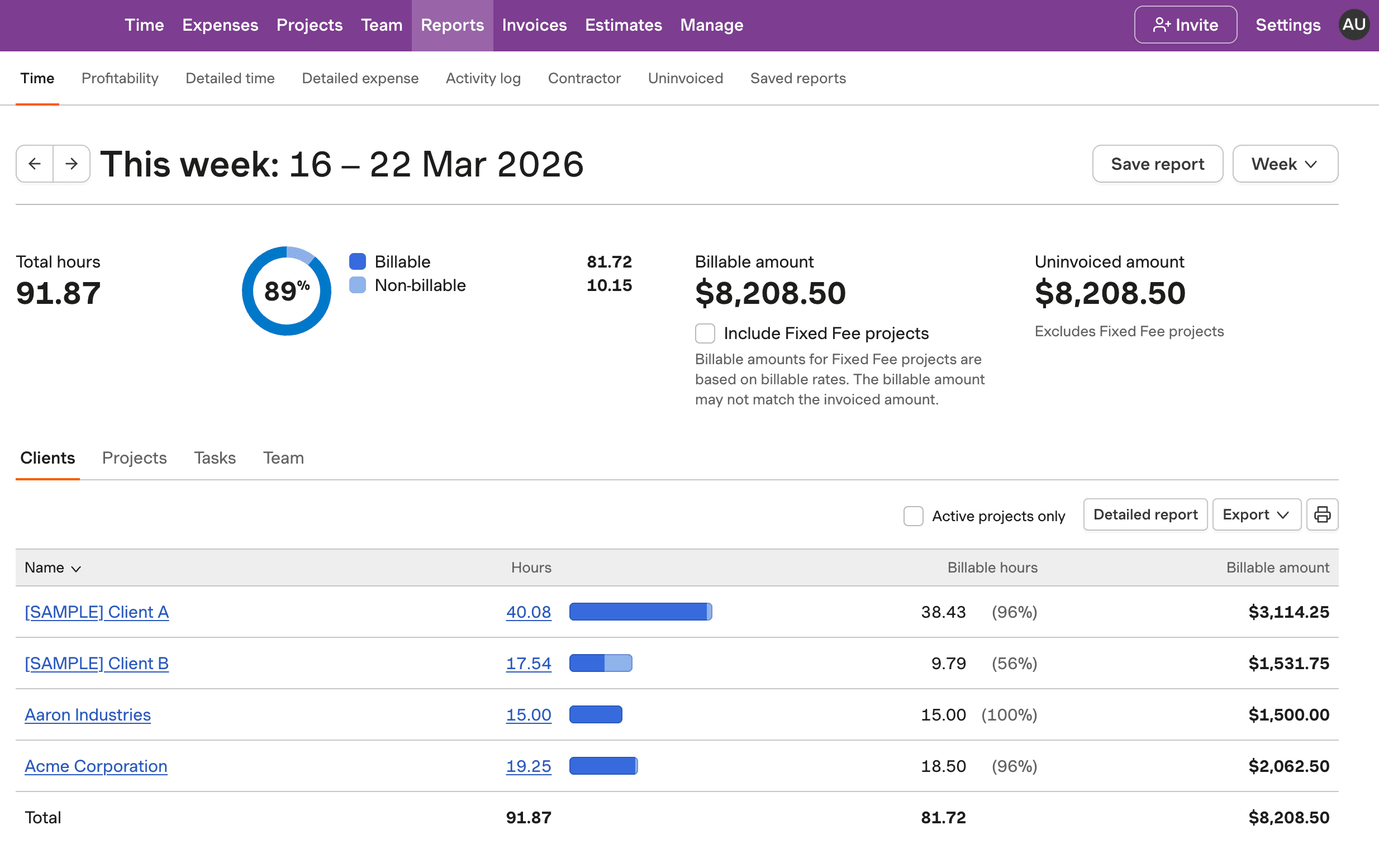
Capacity utilization insights for Middle Eastern businesses on Harvest.

Capacity Utilization Calculator in the Middle East FAQs

  • Capacity utilization measures the percentage of potential output that is being used by a business. It's crucial for assessing efficiency and managing costs, ensuring resources are allocated effectively.

  • Capacity utilization is calculated using the formula: (Actual Output ÷ Maximum Possible Output) × 100. This formula provides insight into how well a company is using its resources.

  • Factors affecting capacity utilization in the Middle East include economic conditions, government policies, and geopolitical tensions. These elements can influence industrial growth and resource allocation.

  • Benchmarks vary by industry, but generally, an 85% utilization rate is considered optimal for manufacturers, allowing for efficient operations while maintaining flexibility.

  • Geopolitical tensions can disrupt supply chains and industrial output. For instance, tensions in the Strait of Hormuz threaten Gulf refining capacity, affecting overall production efficiency.

  • Businesses can improve capacity utilization by adopting technologies like Industry 4.0, which enhance operational efficiency, and by mitigating risks associated with geopolitical instability.

  • Technology, particularly automation and Industry 4.0, plays a significant role in improving capacity utilization by streamlining processes and increasing operational efficiency.