
Harvest
Time Tracking
Sign up free

Break Calculator in the Middle East

Track work hours and breaks across Middle Eastern markets. Harvest adapts to varied schedules and helps teams stay compliant with regional labor laws.

Try Harvest Free

How many hours did you work this week?

Enter your clock-in and clock-out times for each day. The calculator handles breaks, overtime, and weekly totals automatically.

Day Clock In Clock Out Break Hours
Total hours this week 0h
Regular hours (≤40) 0h
Overtime hours 0h
Average hours/day 0h
Total break time 0h

Track time automatically with Harvest

Walk through the entire flow below. Start a timer, check your reports, and create a real invoice — all in three clicks.

Go ahead — start tracking!

One click and you're timing. Try it right here: start a timer, add an entry, edit the details. This is exactly how it feels in Harvest.

  • One-click timer from browser, desktop & mobile
  • Works inside Jira, Asana, Trello, GitHub & 50+ tools
  • Duration or start/end — your call
  • Day, week & calendar views to stay on top of it all
  • Friendly reminders so no hour gets left behind
Acme Corp
Website Redesign
Homepage layout revisions
1:24:09
Content Strategy
Blog calendar planning
1:30:00
SEO Audit
Technical audit report
0:45:00
Brand Guidelines
Color system documentation
2:15:00
Logo Concepts
Initial sketches round 1
1:00:00

Understanding Break Requirements in the Middle East

In the Middle East, labor laws concerning breaks and working hours vary significantly across countries, making it crucial for employers and employees to stay informed. For instance, in the United Arab Emirates (UAE), the standard working hours are capped at 8 hours per day or 48 hours per week for most private sector employees. This framework ensures that workers receive adequate rest periods to maintain productivity and well-being.

Similarly, Saudi Arabia mandates a maximum of 9 working hours per day with a required break after 5 continuous hours of work. Such regulations are designed to prevent employee fatigue and promote a healthier work environment. Employers failing to adhere to these laws could face legal repercussions, emphasizing the importance of accurate break calculations.

During Ramadan, working hours are typically reduced by 2 hours daily in many Middle Eastern countries, affecting how breaks are scheduled. Understanding these variations is essential for both compliance and operational efficiency. A dedicated break calculator can assist in navigating these complex regulations, ensuring that all legal requirements are met.
Using a Break Calculator Effectively

A break calculator tailored for the Middle East is an invaluable tool for accurately managing work hours and rest periods in compliance with local labor laws. Such calculators typically allow users to input their country's specific regulations, including maximum daily or weekly working hours and required break times.

For example, in Bahrain, the law stipulates a break of at least 30 minutes after 5 hours of continuous work, which can be easily factored into the calculator. By providing the total work hours and specifying the country's regulations, the tool can automatically determine the appropriate break times, ensuring compliance and optimizing workforce management.

Effective use of these calculators not only aids in legal compliance but also enhances employee satisfaction by ensuring fair work-rest balance. Employers can avoid potential penalties and improve workplace morale, highlighting the dual benefits of using such a specialized tool.

Legal Implications of Incorrect Break Calculations

Incorrect calculation of breaks and working hours can lead to significant legal implications in the Middle East. Each country has its own set of labor laws, and non-compliance can result in fines, legal disputes, and damage to a company's reputation. For instance, failure to adhere to the maximum working hours in Kuwait, which is set at 8 hours a day, can attract penalties from labor authorities.

Moreover, during Ramadan, special considerations are made for reduced working hours, which, if not properly calculated, can lead to non-compliance issues. Employers must ensure that their break calculations account for these seasonal adjustments to avoid any legal challenges.

Employing a break calculator helps mitigate these risks by providing accurate and legally compliant work schedules. This tool ensures that all rest periods are adequately calculated according to country-specific regulations, safeguarding businesses from potential legal repercussions.

Harvest Break Calculator

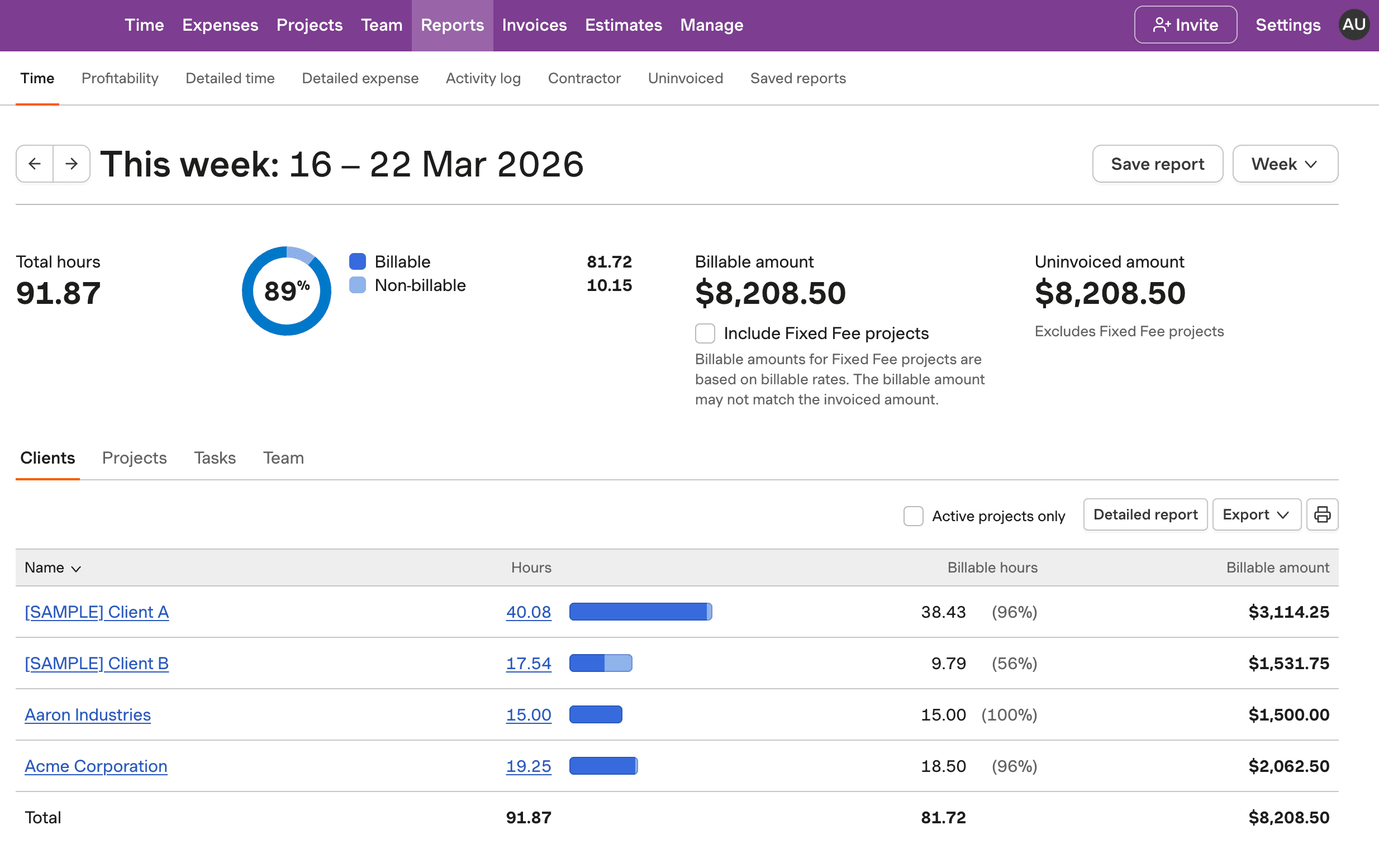
Discover how Harvest's solutions can help manage work hours and breaks in the Middle East, ensuring compliance with local laws.

Harvest time tracking solution for Middle Eastern labor law compliance

Break Calculator in the Middle East FAQs

  • In the UAE, the standard working hours for most private sector employees are set at 8 hours per day or 48 hours per week. Employees must receive breaks after 5 consecutive hours of work, ensuring they have adequate rest.

  • During Ramadan, many Middle Eastern countries reduce working hours by 2 hours daily. This adjustment requires employers to recalculate breaks and work schedules to remain compliant with local labor laws.

  • Incorrect break calculations can lead to legal penalties, fines, and disputes. Each Middle Eastern country has specific labor laws, and failure to comply can damage a company's reputation and financial standing.

  • A break calculator can ensure that work schedules align with local labor laws by calculating the necessary breaks and work hours automatically. This helps avoid legal issues and promotes a healthy work-life balance.

  • In Saudi Arabia, the maximum working hours are set at 9 hours per day. Employees must receive a break after 5 continuous hours of work, ensuring they have rest and remain compliant with the law.

  • To ensure compliance during Ramadan, employers should adjust work schedules to reflect the reduced working hours and provide the required breaks. Using a break calculator can simplify this process.

  • In Bahrain, employees must be given a break of at least 30 minutes after 5 hours of continuous work. This regulation helps maintain employee well-being and compliance with labor laws.