
Harvest
Time Tracking
Sign up free

Comprehensive Break Calculator

Break compliance is complex, with federal and state laws to consider. Harvest simplifies time tracking, ensuring accurate payroll and compliance.

Try Harvest Free

How many hours did you work this week?

Enter your clock-in and clock-out times for each day. The calculator handles breaks, overtime, and weekly totals automatically.

Day Clock In Clock Out Break Hours
Total hours this week 0h
Regular hours (≤40) 0h
Overtime hours 0h
Average hours/day 0h
Total break time 0h

Track time automatically with Harvest

Walk through the entire flow below. Start a timer, check your reports, and create a real invoice — all in three clicks.

Go ahead — start tracking!

One click and you're timing. Try it right here: start a timer, add an entry, edit the details. This is exactly how it feels in Harvest.

  • One-click timer from browser, desktop & mobile
  • Works inside Jira, Asana, Trello, GitHub & 50+ tools
  • Duration or start/end — your call
  • Day, week & calendar views to stay on top of it all
  • Friendly reminders so no hour gets left behind
Acme Corp
Website Redesign
Homepage layout revisions
1:24:09
Content Strategy
Blog calendar planning
1:30:00
SEO Audit
Technical audit report
0:45:00
Brand Guidelines
Color system documentation
2:15:00
Logo Concepts
Initial sketches round 1
1:00:00

Understanding Federal Break Time Regulations

The Fair Labor Standards Act (FLSA) outlines specific rules for breaks at the federal level, although it does not mandate meal or rest breaks for employees. When breaks are offered, short rest periods ranging from 5 to 20 minutes are considered compensable work hours and must be paid. These short breaks contribute to the total hours worked, impacting overtime calculations. In contrast, meal periods usually last at least 30 minutes and can be unpaid, provided that employees are completely relieved of duties during this time. If any work is performed during a meal break, it must be paid, ensuring compliance with FLSA regulations.

Employers must communicate clearly about break durations and the consequences of unauthorized extensions. This clarity helps maintain compliance and avoids potential disputes. Understanding these distinctions is crucial for both employers and employees to ensure legal compliance and accurate payroll calculations.
Navigating State-Specific Break Laws

State-specific break laws create a complex landscape for both employers and employees. As of early 2026, 32 states have their own regulations regarding meal and rest breaks, with varying requirements. For example, California mandates a 30-minute unpaid meal break for shifts over 5 hours and a paid 10-minute rest break for every 4 hours worked. Violations in California, such as failing to provide these breaks, require employers to pay an extra hour of pay at the regular rate for each violation.

In Oregon, employees are entitled to a 30-minute unpaid meal break for shifts lasting 6 to 8 hours, along with a 10-minute paid rest break every 4 hours. Failing to comply with these laws can result in substantial penalties, such as fines of up to $1,000 per violation in Oregon. Employers must navigate these regulations carefully to ensure compliance and avoid penalties.

The Role of a Comprehensive Break Calculator

A comprehensive break calculator is an invaluable tool for employers and employees aiming to ensure compliance with labor laws. These digital tools automate the tracking and deduction of various breaks, minimizing human error and administrative burdens. By accurately accounting for both paid and unpaid breaks, break calculators help maintain precise payroll processing and legal compliance.

Integrating a break calculator into business operations supports adherence to both federal and state regulations, which can vary significantly. This automation not only aids in reducing errors but also ensures that employees receive their rightful breaks, contributing to overall workplace efficiency and satisfaction.

Best Practices for Employers Crafting Break Policies

Developing clear and effective break policies is essential for compliance and employee satisfaction. Employers should craft written policies that clearly communicate break lengths, frequency, and whether breaks are paid or unpaid. Ensuring that employees are fully relieved of duties during unpaid meal periods is critical to avoid potential legal issues.

Consistent enforcement and regular review of these policies help maintain compliance with evolving labor laws. Additionally, scheduling breaks efficiently can meet both legal requirements and operational needs, fostering a productive work environment. Utilizing digital time tracking tools can further streamline the process and ensure accurate break management.

Comprehensive Break Calculator with Harvest

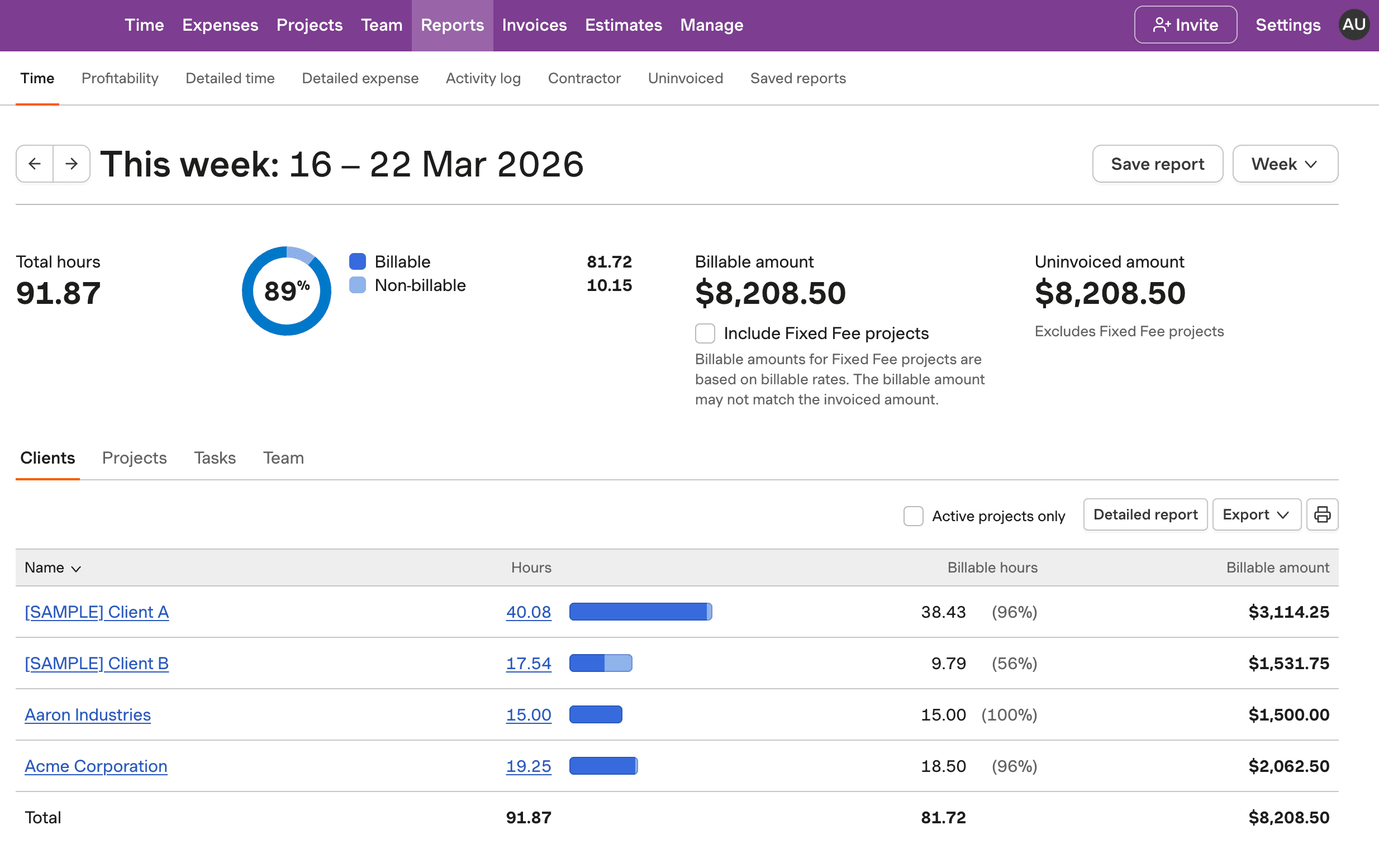
See how Harvest tracks work hours and deducts breaks, ensuring compliance with labor laws and accurate payroll processing.

Screenshot showing Harvest's time tracking for break compliance.

Comprehensive Break Calculator FAQs

  • A comprehensive break calculator helps track and manage work hours, including the deduction of breaks, to ensure compliance with labor laws. It automates break tracking, distinguishes between paid and unpaid breaks, and integrates with payroll systems for accurate processing.

  • To calculate breaks, first track your start and end times. Identify break types and durations, apply relevant federal and state laws, and deduct any unpaid breaks from your total hours worked. Paid breaks should be included in your total work hours for accurate payroll calculations.

  • Yes, labor laws regarding breaks vary by state. While the FLSA does not mandate breaks, many states have specific requirements. For example, California and Oregon have strict rules for both meal and rest breaks. It's important to stay informed about your state's regulations to ensure compliance.

  • Yes, many break calculators can integrate with payroll systems to ensure accurate compensation. By automating the calculation and deduction of break times, they help streamline payroll processing and maintain compliance with labor standards.

  • Many comprehensive break calculators offer mobile versions, allowing you to track time and manage breaks on the go. This flexibility ensures that both employers and employees can maintain accurate records, regardless of location.

  • Yes, minors often have stricter break requirements than adults. For instance, many states require a 30-minute meal break after 4 or 5 hours of work for employees under 18, along with additional rest breaks, to ensure their safety and well-being.

  • If an employer denies a required break, they may face penalties, such as fines or additional pay obligations. For example, in California, employers must pay an extra hour of pay at the regular rate for each missed break. Compliance with break laws is crucial to avoid such penalties.