
Harvest
Time Tracking
Sign up free

Gross Margin Calculator in China

Harvest helps manufacturers in China optimize pricing strategies by ensuring accurate cost tracking, crucial for calculating gross margins amidst complex market dynamics.

Try Harvest Free

Will this project be profitable?

Estimate your project cost, set the right price, and know exactly how many hours your team can spend before margin disappears.

Total hours across all team members
$
Average rate across all roles on the project
15%
Scope creep is real. Most projects need 10-25% buffer to stay profitable.
Recommended project price $0
Base cost (before buffer) $0
Hours per person per week 0h
Weekly burn rate $0
Max hours before loss 0h

Track project hours with Harvest

Walk through the entire flow below. Start a timer, check your reports, and create a real invoice — all in three clicks.

Go ahead — start tracking!

One click and you're timing. Try it right here: start a timer, add an entry, edit the details. This is exactly how it feels in Harvest.

  • One-click timer from browser, desktop & mobile
  • Works inside Jira, Asana, Trello, GitHub & 50+ tools
  • Duration or start/end — your call
  • Day, week & calendar views to stay on top of it all
  • Friendly reminders so no hour gets left behind
Acme Corp
Website Redesign
Homepage layout revisions
1:24:09
Content Strategy
Blog calendar planning
1:30:00
SEO Audit
Technical audit report
0:45:00
Brand Guidelines
Color system documentation
2:15:00
Logo Concepts
Initial sketches round 1
1:00:00

Understanding Gross Margin Calculation in China

Gross margin calculation is crucial for manufacturers operating in China, as it directly influences pricing strategies and financial assessments. The gross margin is calculated as Total Revenue minus Cost of Goods Sold (COGS), with the percentage derived by dividing this figure by Net Sales and multiplying by 100. Key components of COGS in China include direct costs such as raw materials, direct labor, and manufacturing overhead. For international traders, COGS should also account for import duties, transportation, and insurance costs.

Chinese manufacturers must adhere to the China Accounting Standards (CAS), which include Accounting Standards for Business Enterprises (ASBE) and Accounting Standards for Small Business Enterprises (ASSBE). Recent updates, like the revised CAS 14, emphasize the transfer of control rather than risk-reward in revenue recognition, impacting how gross margins are reported. Understanding these standards is essential for accurate financial reporting and strategic decision-making in China's dynamic market.
Key Factors Affecting Gross Margins in China

Several factors influence gross margin calculations in China's manufacturing sector. Market dynamics, such as the declining profitability of industrial firms, can impact gross margin outcomes. For example, in November 2025, industrial firm profits fell by 13.1% year-on-year, highlighting the pressures on margins. Additionally, the standard Corporate Income Tax (CIT) rate of 25% and varying Value Added Tax (VAT) rates (6%, 9%, and 13%) must be considered when calculating COGS and net profits.

Another critical factor is the overestimation of gross profit margins, which is currently about 1.36 percentage points higher due to the inclusion of unrealized items like in-price tax and bad debt loss. Manufacturers should exclude these items from revenue to present a more objective view of profitability. By understanding these elements, businesses can better navigate the complexities of gross margin calculations in China.

Customizing a Gross Margin Calculator for Chinese Manufacturing

To tailor a gross margin calculator for manufacturers in China, customization options must reflect the specific needs of the sector. This includes incorporating Chinese Accounting Standards (CAS) and allowing for adjustments based on CAS 14's revenue recognition methods. Manufacturers should ensure the calculator can handle detailed COGS inputs, including direct costs and additional expenses like import duties and VAT.

Moreover, the calculator should enable users to factor in China's diverse tax implications, such as CIT and VAT rates, which can vary based on enterprise size and industry. By customizing these features, manufacturers can gain accurate insights into their profitability and make informed strategic decisions. Leveraging accurate and customizable tools is vital for optimizing financial outcomes in China's competitive market.

The Role of Accurate Cost Tracking in Pricing Strategies

Accurate cost tracking is essential for effective pricing strategies in China's manufacturing sector. Misestimating costs can lead to a 15-20% loss in billable income, making precision crucial for maintaining healthy profit margins. Tools like Harvest, which provide detailed time and expense tracking, support manufacturers by ensuring accurate cost entry. This facilitates more precise pricing strategies and financial planning.

By integrating cost tracking solutions with gross margin calculations, manufacturers can optimize their pricing models to reflect true production costs and market conditions. This integration not only aids in compliance with Chinese accounting standards but also enhances overall business efficiency, allowing companies to better compete in the global marketplace.

Gross Margin Solutions with Harvest

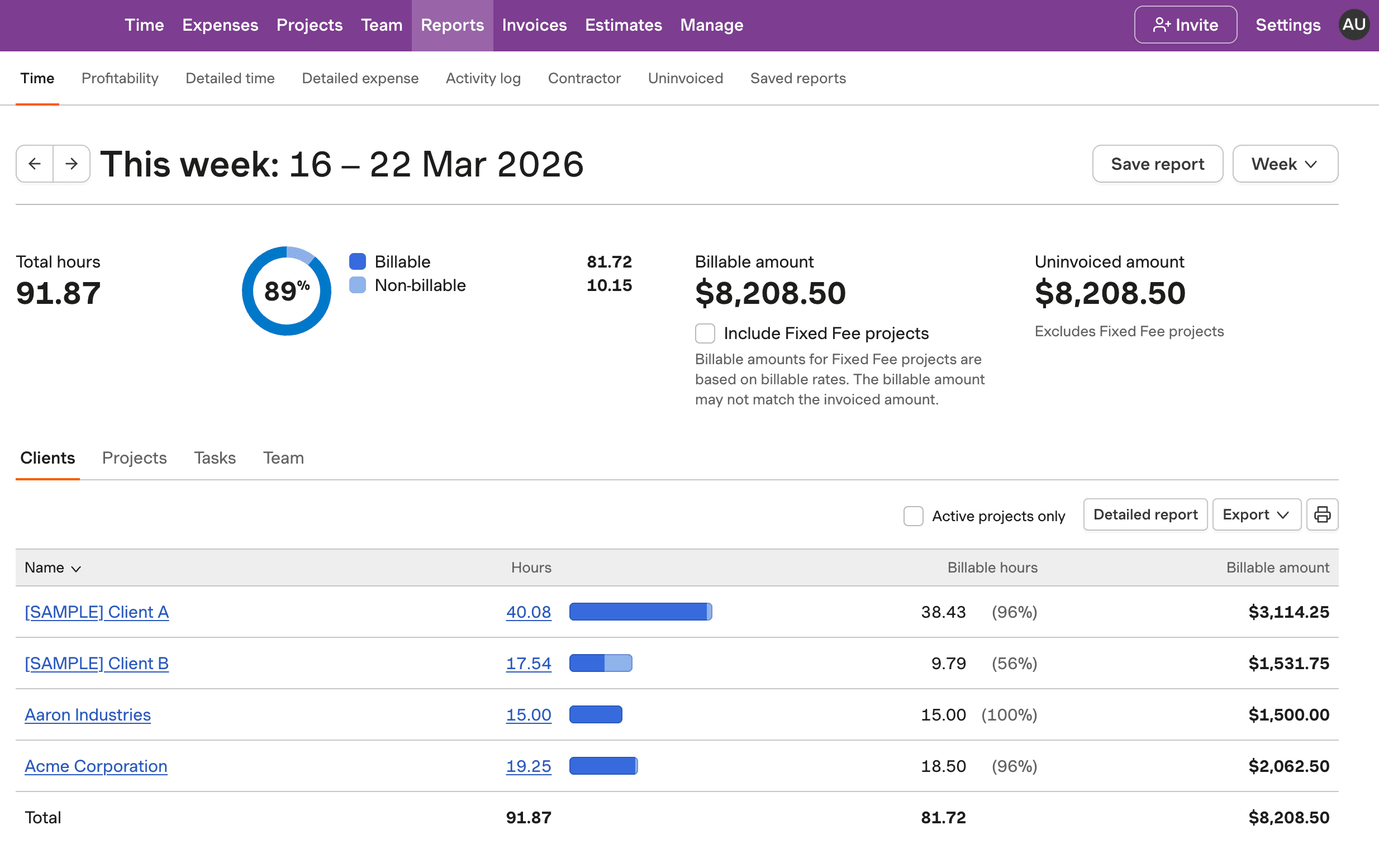
Discover how Harvest aids Chinese manufacturers with accurate gross margin calculations, integrating cost tracking and accounting standards.

Screenshot of Harvest's gross margin calculator tailored for China.

Gross Margin Calculator in China FAQs

  • Gross margin calculations in China are influenced by several factors, including direct costs, import duties, VAT rates, and the Chinese Accounting Standards (CAS). Market dynamics, such as the declining profitability of industrial firms, also play a role. Understanding these factors is essential for accurate reporting and strategic decision-making.

  • Chinese accounting standards, particularly the China Accounting Standards (CAS), impact gross margin calculations by defining how revenue and costs are recognized. Recent updates, such as CAS 14, emphasize revenue recognition based on control transfer, affecting how gross margins are reported. Compliance with these standards ensures accurate financial reporting.

  • COGS for Chinese manufacturers includes direct costs like raw materials, labor, and manufacturing overhead. It also considers expenses related to import duties, transportation, and insurance, especially for international trade. Accurate COGS calculation is vital for determining gross margins.

  • Manufacturers can customize a gross margin calculator for China by incorporating Chinese Accounting Standards (CAS) and adjusting for revenue recognition methods like CAS 14. The calculator should handle detailed COGS inputs and account for varied tax implications to ensure accurate profitability insights.

  • Accurate cost tracking is crucial for effective pricing strategies, as misestimating costs can lead to significant revenue loss. Tools like Harvest enable precise cost entry, supporting manufacturers in optimizing pricing models and maintaining healthy profit margins amidst complex market conditions.

  • Harvest supports manufacturers by providing detailed time and expense tracking, ensuring accurate cost entry for pricing strategies. This aids in aligning costs with Chinese accounting standards and optimizing financial planning. By integrating Harvest, manufacturers can enhance their pricing models and profitability.

  • Tax implications in China include various rates such as the Corporate Income Tax (CIT) at 25% and Value Added Tax (VAT) ranging from 6% to 13%. These taxes must be carefully considered when calculating COGS to ensure accurate gross margin reporting and compliance with Chinese regulations.