
Harvest
Time Tracking
Sign up free

Project Deliverable Tracking

Harvest offers essential tools for project deliverable tracking, ensuring construction projects stay on schedule and within budget by providing clear definitions and acceptance criteria for deliverables.

Try Harvest Free

Will this project be profitable?

Estimate your project cost, set the right price, and know exactly how many hours your team can spend before margin disappears.

Total hours across all team members
$
Average rate across all roles on the project
15%
Scope creep is real. Most projects need 10-25% buffer to stay profitable.
Recommended project price $0
Base cost (before buffer) $0
Hours per person per week 0h
Weekly burn rate $0
Max hours before loss 0h

Track project hours with Harvest

Walk through the entire flow below. Start a timer, check your reports, and create a real invoice — all in three clicks.

Go ahead — start tracking!

One click and you're timing. Try it right here: start a timer, add an entry, edit the details. This is exactly how it feels in Harvest.

  • One-click timer from browser, desktop & mobile
  • Works inside Jira, Asana, Trello, GitHub & 50+ tools
  • Duration or start/end — your call
  • Day, week & calendar views to stay on top of it all
  • Friendly reminders so no hour gets left behind
Acme Corp
Website Redesign
Homepage layout revisions
1:24:09
Content Strategy
Blog calendar planning
1:30:00
SEO Audit
Technical audit report
0:45:00
Brand Guidelines
Color system documentation
2:15:00
Logo Concepts
Initial sketches round 1
1:00:00

Understanding Project Deliverables in Construction

Project deliverables are the cornerstone of successful construction management, defining the tangible and intangible outputs required to achieve project objectives. In construction, deliverables can range from physical structures like buildings and bridges to documentation such as blueprints and compliance reports. Distinguishing between internal deliverables (e.g., project plans) and external ones (e.g., completed buildings) is crucial for effective management. Moreover, categorizing them into process deliverables (steps taken, like safety plans) and product deliverables (end results, like finished structures) provides clarity.

Effective deliverables are characterized by specificity, measurability, and alignment with project timelines and quality standards. They must meet acceptance criteria set by stakeholders to mitigate risks and prevent costly changes. In construction, where projects typically experience between 1.7 and 11.18 change orders, clear deliverable definitions are vital to maintaining budget and scope integrity.
Best Practices for Effective Deliverable Tracking

Tracking project deliverables effectively is essential in construction to ensure projects remain on schedule and within budget. The first step involves defining deliverables and their acceptance criteria upfront, gathering input from clients and stakeholders. Setting clear deadlines and establishing internal milestones aid in tracking progress without rigid external timelines.

Implementing a Work Breakdown Structure (WBS) helps break complex deliverables into manageable parts, facilitating delegation and feedback. Regular monitoring through site inspections and progress meetings, coupled with weekly or bi-weekly reporting, keeps teams informed and aligned. Given the typical occurrence of change orders, having a robust process for managing modifications is critical to safeguarding project success.

Leveraging Technology for Deliverable Tracking

Incorporating technology into deliverable tracking streamlines construction project management. Project management software offers functionalities such as task tracking, scheduling, and document management, providing real-time dashboards that enable teams to monitor progress efficiently. Digital tracking of material deliveries is also crucial, ensuring materials arrive on time and within specifications, thereby preventing delays.

Technology enhances collaboration by centralizing data and allowing real-time updates, making it easier for teams to communicate and coordinate efforts. This integration not only improves accuracy in tracking deliverables but also fosters a more cohesive work environment, essential for handling stakeholder diversity typical in construction projects.

Key Deliverables Across the Construction Project Lifecycle

Construction projects typically progress through several distinct phases, each with specific deliverables that contribute to the project's success. During the pre-construction phase, deliverables might include blueprints, permits, and budget estimates. As the project moves into the construction phase, progress reports, quality control inspections, and constructed elements become the focus. Finally, in the post-construction phase, deliverables such as final inspections and closeout documentation are essential.

These deliverables not only guide the construction process but also ensure that all regulatory requirements are met and that the final product aligns with stakeholder expectations. Regularly updating these deliverables and maintaining transparency with stakeholders is key to successful project completion.

Engaging Stakeholders in the Tracking Process

Engaging all relevant stakeholders in the deliverable tracking process is crucial for construction projects. Identifying stakeholders, which can include owners, contractors, architects, and regulatory bodies, is the first step. Effective communication strategies and feedback mechanisms ensure that stakeholders are informed and their input is integrated appropriately.

Managing expectations through clear communication and regular updates on deliverable status helps ensure stakeholder satisfaction and acceptance. This involvement not only aids in maintaining project momentum but also enhances the quality of the final deliverables by aligning them with stakeholder needs and expectations.

Project Deliverable Tracking with Harvest

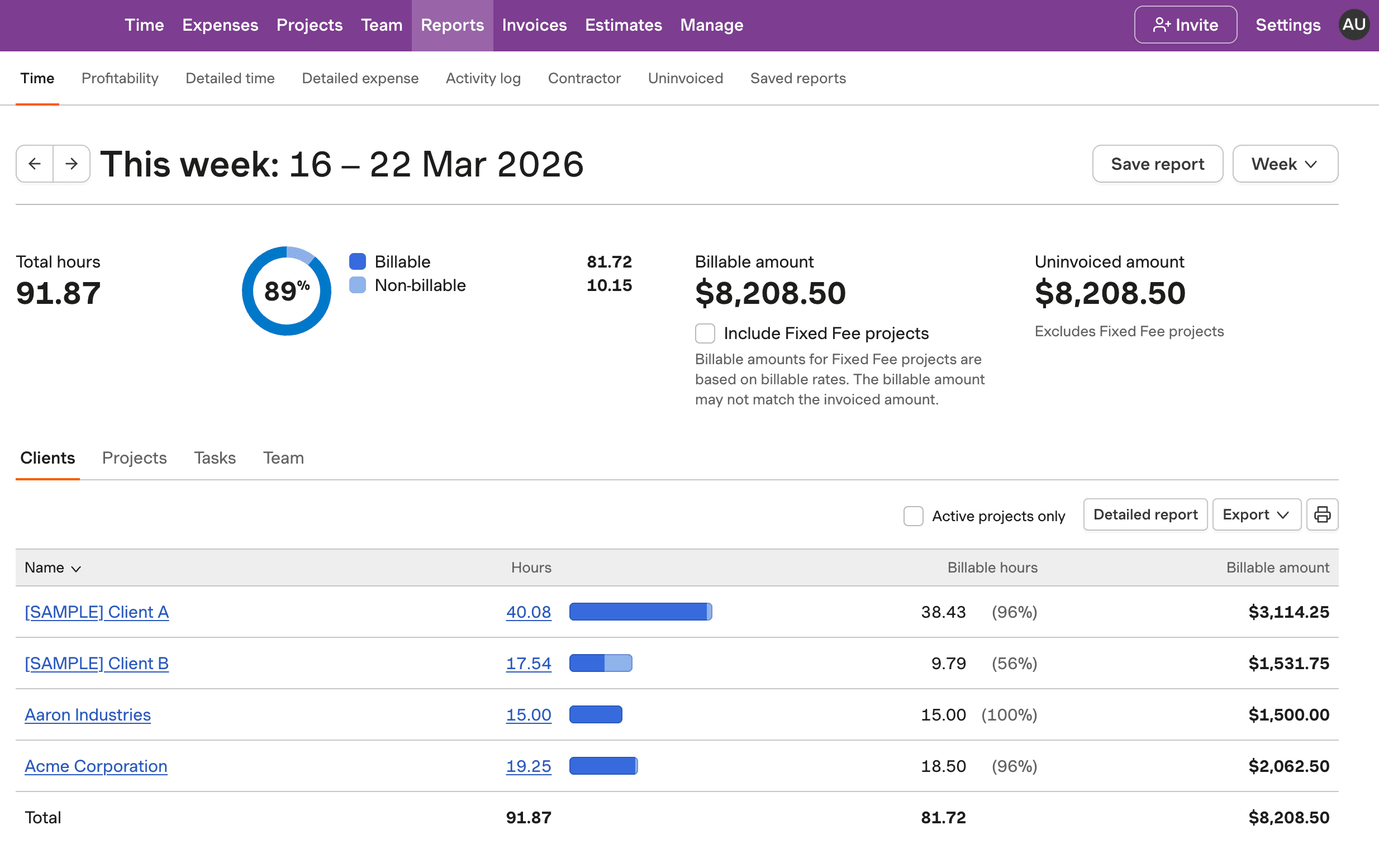
See how Harvest helps track construction project deliverables, ensuring projects are on schedule and within budget with efficient management tools.

Screenshot showing project deliverable tracking in Harvest.

Project Deliverable Tracking FAQs

  • Project deliverables in construction are specific outputs resulting from deliberate work to achieve project objectives. They can be tangible, like buildings, or intangible, like compliance reports. Effective deliverables are essential for maintaining project scope, schedule, and budget integrity.

  • Defining deliverables involves setting clear objectives and acceptance criteria before project commencement. Categorizing them into internal vs. external and process vs. product deliverables helps clarify roles and responsibilities, facilitating better management and communication.

  • Common construction deliverables include blueprints, permits, progress reports, quality control inspections, and the completed structures themselves. Each phase of a construction project has its specific set of deliverables that guide progress and ensure compliance.

  • Technology, such as project management software, enhances deliverable tracking by providing real-time dashboards for task tracking and document management. It centralizes data, improves collaboration, and ensures timely delivery of materials, preventing project delays.

  • Managing change orders effectively involves having a clear process for modifications, including documenting the changes, assessing their impact on timelines and budgets, and communicating with all stakeholders to maintain project alignment and prevent scope creep.

  • Engaging stakeholders ensures that their expectations are integrated into deliverable definitions and tracking processes. Regular updates and feedback mechanisms foster transparency, improve project outcomes, and enhance deliverable acceptance and satisfaction.

  • Harvest aids construction project deliverable tracking by providing tools for time tracking and invoicing, ensuring projects stay on schedule and within budget. While it specializes in these areas, its robust platform supports overall project management needs.