
Harvest
Time Tracking
Sign up free

Gross Margin Calculator in France

Many businesses in France struggle with VAT complexities impacting their gross margins. Harvest offers seamless VAT integration and financial insights to simplify these challenges.

Try Harvest Free

What should you charge per hour?

Most freelancers and consultants dramatically undercharge. This calculator accounts for what most people miss: non-billable time, taxes, and overhead.

$
Accounting for vacation, holidays, sick days
60%
Most freelancers can bill 50-70% of their time. The rest goes to admin, marketing, proposals, and learning.
$
Software, insurance, equipment, accounting, taxes beyond income tax, etc.
Your break-even rate $0
Recommended rate (+20% buffer) $0
Billable hours per week 0h
Equivalent daily rate $0

Start tracking your billable hours

Walk through the entire flow below. Start a timer, check your reports, and create a real invoice — all in three clicks.

Go ahead — start tracking!

One click and you're timing. Try it right here: start a timer, add an entry, edit the details. This is exactly how it feels in Harvest.

  • One-click timer from browser, desktop & mobile
  • Works inside Jira, Asana, Trello, GitHub & 50+ tools
  • Duration or start/end — your call
  • Day, week & calendar views to stay on top of it all
  • Friendly reminders so no hour gets left behind
Acme Corp
Website Redesign
Homepage layout revisions
1:24:09
Content Strategy
Blog calendar planning
1:30:00
SEO Audit
Technical audit report
0:45:00
Brand Guidelines
Color system documentation
2:15:00
Logo Concepts
Initial sketches round 1
1:00:00

Understanding Gross Margin: The Foundation of Profitability in France

Gross margin, or marge brute in French, is a critical indicator of financial health for businesses. It represents the percentage of revenue remaining after accounting for the cost of goods sold (COGS). In France, gross margin is calculated by subtracting COGS from revenue and then dividing the result by revenue, expressed as a percentage. For example, if a business has a revenue of €100,000 and COGS of €70,000, the gross margin is 30%.

Understanding the distinction between gross profit and gross margin is essential. Gross profit is the absolute value of revenue minus COGS, while gross margin provides a relative measure expressed as a percentage. This percentage helps businesses compare profitability across different periods and against industry benchmarks. Monitoring gross margin regularly allows companies to assess their financial stability and make informed strategic decisions.
Navigating French Regulations: VAT and Tax Implications for Gross Margin

The French VAT system significantly impacts gross margin calculations. With a standard VAT rate of 20% and several reduced rates, understanding VAT implications is vital. For some transactions, such as second-hand goods, the 'Margin VAT' scheme applies, where VAT is only calculated on the profit margin. This nuanced approach ensures VAT compliance while maintaining accurate margins.

Corporate Income Tax (CIT) also influences profitability. France's standard CIT rate is 25%, with a reduced rate of 15% for small businesses on initial profits up to €42,500. These tax considerations directly affect net profitability, making it crucial for businesses to integrate tax planning into their margin strategies. Staying updated on regulatory changes, such as the removal of the CVAE tax by 2024, can further optimize financial outcomes.

Calculating Your Gross Margin: A Step-by-Step Guide for French Businesses

Calculating gross margin involves a straightforward process. Begin by determining your net sales, which is total revenue minus any returns or discounts. Next, calculate the Cost of Goods Sold (COGS), including direct costs like materials and labor. Subtract COGS from net sales to find gross profit, then divide by net sales and multiply by 100 to get the gross margin percentage.

For example, if your net sales are €150,000 and COGS are €100,000, your gross profit is €50,000. Dividing this by net sales gives a gross margin of 33.3%. Regularly tracking this metric helps identify trends and opportunities for improvement. Best practices include using accurate data over extended periods and understanding specific VAT schemes to ensure precise calculations.

Industry Benchmarks and Strategic Insights for Optimizing Gross Margin in France

Industry benchmarks provide vital context for evaluating gross margins. In France, sectors like manufacturing have traditionally aimed for margins between 25% and 35%, while service industries often exceed these figures due to lower operational costs. For instance, the food industry recently reported margins of 48.1% post-pandemic, highlighting significant profitability variations by sector.

Improving gross margin involves strategic cost management and pricing strategies. Businesses might focus on reducing COGS through operational efficiencies or enhancing pricing power to increase revenue. Monitoring industry trends and adapting to changes, such as VAT adjustments, can further enhance margin performance. Ultimately, a strong gross margin supports better financial planning and competitive positioning.

Gross Margin Insights with Harvest

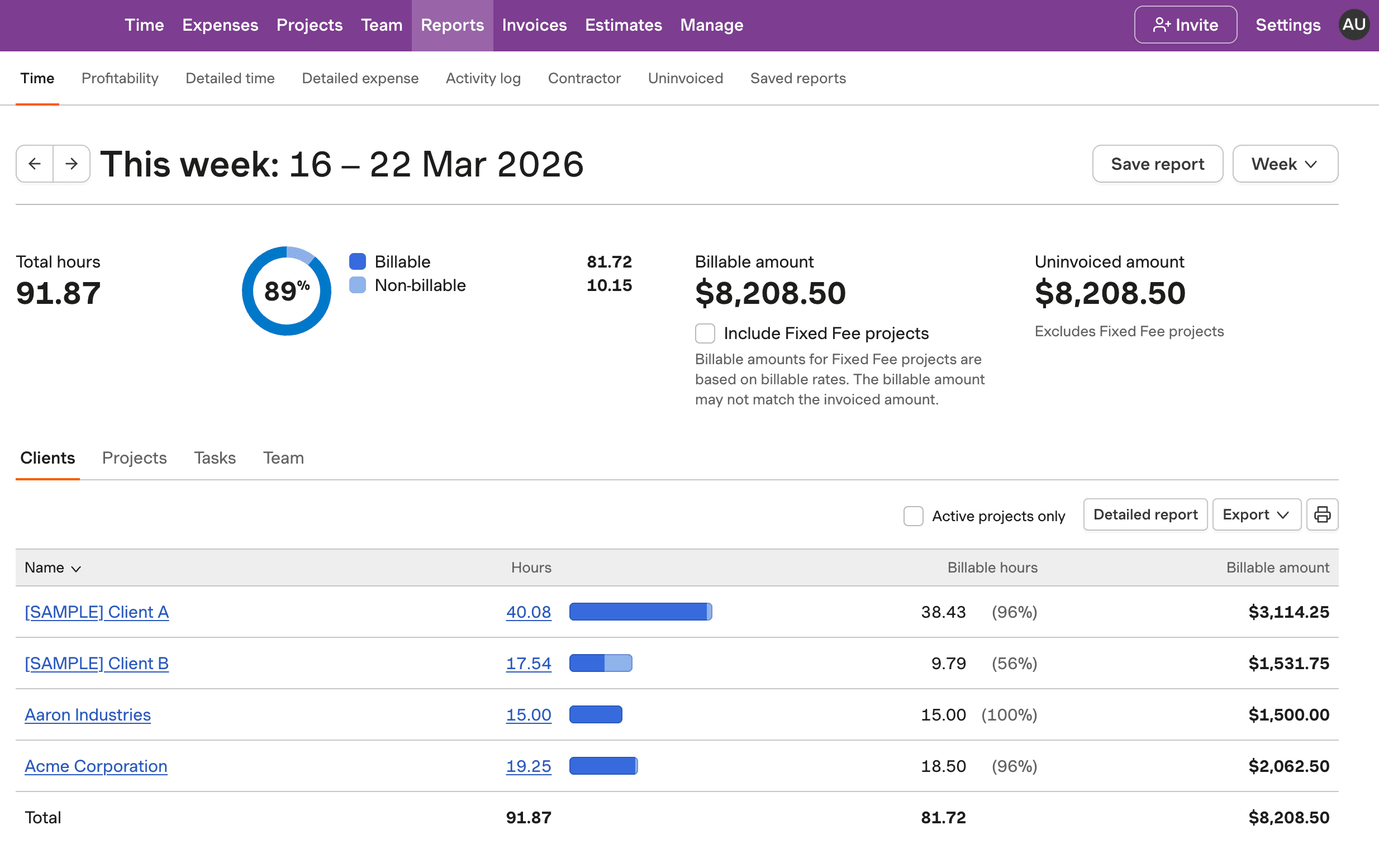
Explore how Harvest can help French businesses manage VAT and optimize gross margins, highlighting key financial metrics.

Gross margin calculator interface for French businesses

Gross Margin Calculator in France FAQs

  • Gross margin in France is calculated by subtracting the cost of goods sold (COGS) from revenue and dividing the result by revenue, expressed as a percentage. This metric shows the portion of revenue that exceeds production costs.

  • VAT impacts gross margins by adding a layer of cost that must be considered. In France, the standard VAT rate is 20%, but various reduced rates apply. Businesses must account for VAT in their pricing strategies to maintain accurate margins.

  • Best practices include regularly monitoring margins, adjusting for VAT costs, and comparing against industry benchmarks. Pricing strategies should focus on maintaining a balance between competitive pricing and sustaining healthy margins.

  • Yes, gross margins vary by industry. Service sectors often have higher margins due to lower COGS, while manufacturing might aim for 25-35%. Understanding industry-specific VAT rules and cost structures is crucial for accurate margin calculations.

  • Harvest allows businesses to manage VAT effectively by adding VAT information to customizable invoice notes. This feature simplifies compliance with French VAT regulations and helps maintain accurate financial records.

  • The Margin VAT scheme applies to certain goods where VAT is calculated only on the profit margin rather than the entire sale price. This is common for second-hand goods and specific art transactions, providing a tax-efficient sales method.

  • Corporate income taxes, with a standard rate of 25% and a reduced rate of 15% for SMEs, affect net profitability. These taxes must be considered when setting pricing strategies to ensure sustainable profit margins.