
Harvest
Time Tracking
Sign up free

Hourly Rate Calculator on Chrome

Harvest transforms how you calculate and track your hourly rates with ease, using one-click timers and detailed reports to optimize your earnings.

Try Harvest Free

What should you charge per hour?

Most freelancers and consultants dramatically undercharge. This calculator accounts for what most people miss: non-billable time, taxes, and overhead.

$
Accounting for vacation, holidays, sick days
60%
Most freelancers can bill 50-70% of their time. The rest goes to admin, marketing, proposals, and learning.
$
Software, insurance, equipment, accounting, taxes beyond income tax, etc.
Your break-even rate $0
Recommended rate (+20% buffer) $0
Billable hours per week 0h
Equivalent daily rate $0

Start tracking your billable hours

Walk through the entire flow below. Start a timer, check your reports, and create a real invoice — all in three clicks.

Go ahead — start tracking!

One click and you're timing. Try it right here: start a timer, add an entry, edit the details. This is exactly how it feels in Harvest.

  • One-click timer from browser, desktop & mobile
  • Works inside Jira, Asana, Trello, GitHub & 50+ tools
  • Duration or start/end — your call
  • Day, week & calendar views to stay on top of it all
  • Friendly reminders so no hour gets left behind
Acme Corp
Website Redesign
Homepage layout revisions
1:24:09
Content Strategy
Blog calendar planning
1:30:00
SEO Audit
Technical audit report
0:45:00
Brand Guidelines
Color system documentation
2:15:00
Logo Concepts
Initial sketches round 1
1:00:00

Understanding Hourly Rate Calculations

Calculating your hourly rate is crucial for freelancers and employees alike, as it determines your income potential and financial planning. A common method is to divide your annual salary by 2,080, representing the approximate number of full-time work hours in a year. For example, a $50,000 salary results in an hourly rate of about $24.04. However, freelancers must consider additional factors like business expenses, self-employment taxes, and profit margins.

For freelancers, setting a profitable hourly rate means accounting for both billable and non-billable hours. Typically, only about 50% of total hours might be billable, with the rest spent on administrative tasks or marketing. Understanding these nuances ensures that freelancers can cover costs and achieve desired income targets while remaining competitive in the market.
Key Factors Influencing Your Hourly Rate

Several factors influence the calculation of an hourly rate, including personal experience, skill level, and industry demand. Additionally, overhead costs such as rent, utilities, and software subscriptions must be factored into the rate to ensure profitability. Freelancers in the U.S., for example, are responsible for a self-employment tax of 15.3%, impacting their net income.

Geographic location also plays a significant role due to geographic pay differentials. For instance, workers in Silicon Valley might expect wages 126.6% above the national average. Additionally, businesses should incorporate a profit margin, typically around 20-25%, to sustain operations. By considering these elements, professionals can ensure their rates are both competitive and sustainable.

Practical Steps to Calculate Your Hourly Rate

When determining an hourly rate, start by calculating your total annual costs, including employee salaries and overhead expenses. Next, estimate the realistic number of billable hours, accounting for non-billable tasks. For instance, a full-time 40-hour work week might only yield 20 billable hours after considering administrative duties.

Finally, determine a profit margin, such as 20-25%, and use a formula like: (Total Annual Costs / Realistic Billable Hours) x (1 + Profit Margin Percentage). Tools like Harvest can streamline this process with features that track billable and non-billable hours, providing detailed reports that aid in setting accurate rates and budgets.

Leveraging Digital Tools for Hourly Rate Management

Digital tools, such as hourly rate calculators and time-tracking software, are invaluable for accurate financial planning. These tools allow users to input hourly rates, track hours worked, and factor in deductions or overtime rates. Harvest, for instance, excels in tracking time spent on projects with one-click timers and offers support for multiple currencies, making it ideal for international projects.

Using such tools not only aids in budgeting but also ensures compliance with legal regulations, such as minimum wage laws and overtime rules. By integrating these tools into daily operations, freelancers and businesses can optimize their financial strategies, ensuring profitability and efficiency.

Calculate Hourly Rates with Harvest

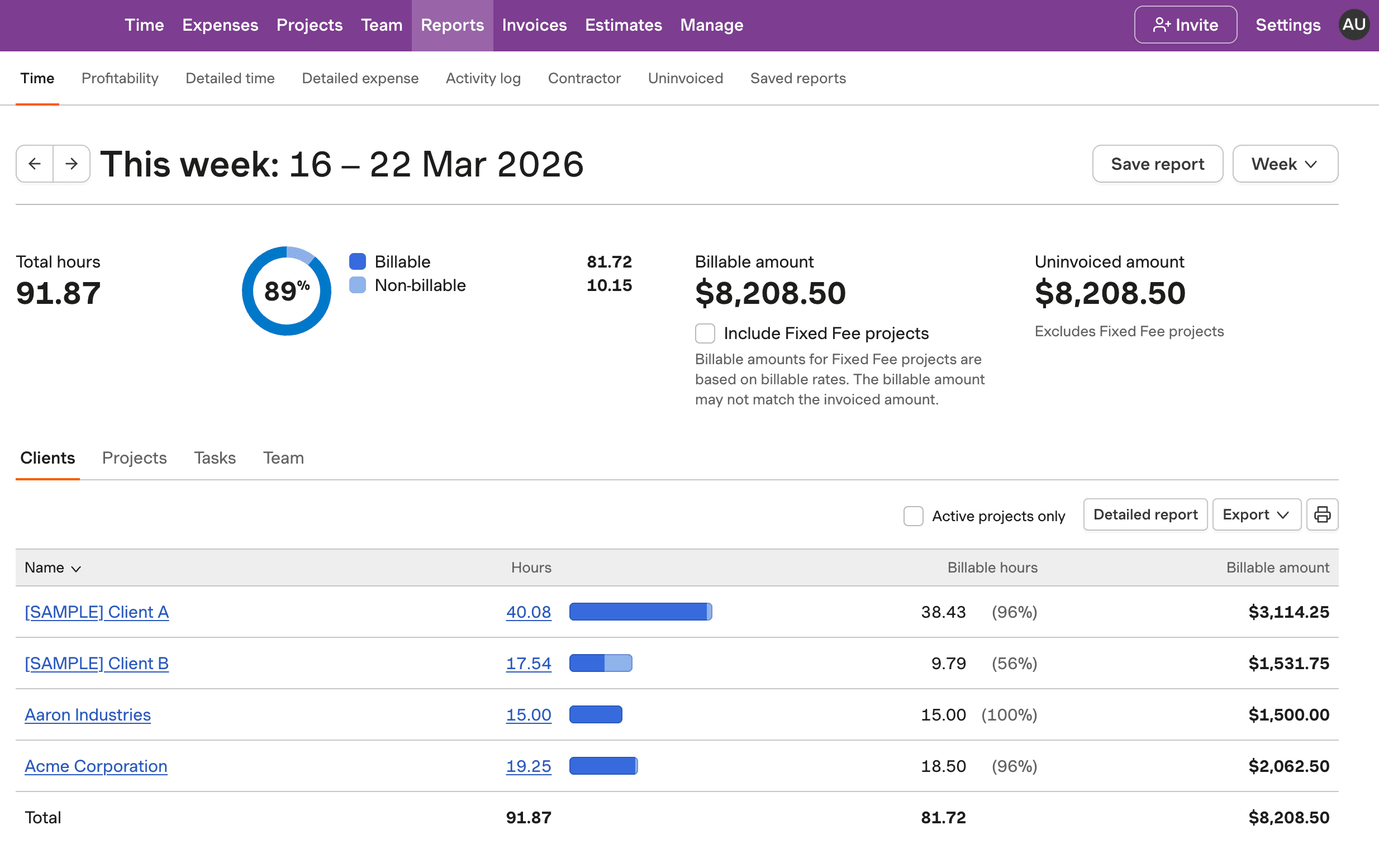
See how Harvest helps you calculate hourly rates on Chrome, complete with time tracking and project management features.

Harvest hourly rate calculation tool on Chrome showing time tracking and rate analysis.

Hourly Rate Calculator on Chrome FAQs

  • To convert an annual salary to an hourly rate, divide the salary by 2,080, which is the number of work hours in a year for a 40-hour work week. For example, a $50,000 salary is about $24.04 per hour.

  • Freelancers should consider living costs, business expenses, and taxes when setting rates. They should also account for non-billable hours, which can comprise up to 50% of their work time.

  • Harvest aids in managing hourly rates by offering time tracking with one-click timers, detailed reporting on billable and non-billable hours, and support for multiple currencies for international projects.

  • Hourly rates vary due to geographic pay differentials, which account for local labor market costs. For example, Silicon Valley wages can be 126.6% above the national average due to high demand and cost of living.

  • A profit margin ensures that a business or freelancer remains profitable after covering all costs. Typically, a margin of 20-25% is recommended to sustain operations and growth.

  • Yes, Harvest allows users to track time for different projects using one-click start/stop timers, making it easy to manage multiple tasks efficiently.

  • Self-employment taxes in the U.S. total 15.3%, impacting net income. Freelancers must set rates that cover these taxes to maintain desired earnings.