
Harvest
Time Tracking
Sign up free

Hourly Rate Calculator for Chiropractors

Harvest helps chiropractors accurately calculate hourly rates by tracking non-billable hours and expenses, ensuring profitability without underpricing.

Try Harvest Free

What should you charge per hour?

Most freelancers and consultants dramatically undercharge. This calculator accounts for what most people miss: non-billable time, taxes, and overhead.

$
Accounting for vacation, holidays, sick days
60%
Most freelancers can bill 50-70% of their time. The rest goes to admin, marketing, proposals, and learning.
$
Software, insurance, equipment, accounting, taxes beyond income tax, etc.
Your break-even rate $0
Recommended rate (+20% buffer) $0
Billable hours per week 0h
Equivalent daily rate $0

Start tracking your billable hours

Walk through the entire flow below. Start a timer, check your reports, and create a real invoice — all in three clicks.

Go ahead — start tracking!

One click and you're timing. Try it right here: start a timer, add an entry, edit the details. This is exactly how it feels in Harvest.

  • One-click timer from browser, desktop & mobile
  • Works inside Jira, Asana, Trello, GitHub & 50+ tools
  • Duration or start/end — your call
  • Day, week & calendar views to stay on top of it all
  • Friendly reminders so no hour gets left behind
Acme Corp
Website Redesign
Homepage layout revisions
1:24:09
Content Strategy
Blog calendar planning
1:30:00
SEO Audit
Technical audit report
0:45:00
Brand Guidelines
Color system documentation
2:15:00
Logo Concepts
Initial sketches round 1
1:00:00

Understanding Your Chiropractic Practice's Financial Foundation

Calculating an accurate hourly rate is crucial for chiropractors to ensure profitability while remaining competitive. A primary starting point is understanding your practice's financial foundation, which involves determining overhead costs. Typically, chiropractic practices experience overheads that range from 50% to 65% of revenue. However, more profitable practices maintain this between 35% and 45%. Calculating your cost per patient visit is essential; it involves dividing your total overhead by the number of visits over a set period, thus revealing the average expense per session.

Aligning your pricing strategy with your business model is equally important. Whether your practice follows a high volume/low fee or low volume/high fee model, knowing these metrics guides you in setting rates that support your operational needs. By understanding these financial underpinnings, chiropractors can make informed decisions that balance patient accessibility with financial sustainability.
Navigating Chiropractic Fee Schedules and Market Rates

Setting the right fee schedule involves an understanding of both market rates and regulatory frameworks. Chiropractors should utilize the Medicare Physician Fee Schedule to benchmark reimbursement rates, as private insurers often pay about 143% of Medicare's rates. This knowledge helps in setting competitive yet sustainable prices for services like spinal manipulation (CPT codes 98940-98942).

Moreover, local market dynamics and specialization can significantly influence pricing. For instance, chiropractors focusing on sports injuries or pediatric care may command higher fees. Understanding these factors, alongside regional variations in salary and cost of living, enables chiropractors to tailor their fee schedules effectively, ensuring they remain compliant and competitive.

Legal and Ethical Considerations in Chiropractic Billing

Chiropractic billing must navigate a complex landscape of legal and ethical considerations. The No Surprises Act mandates transparency in billing, requiring practices to clearly differentiate between in-network and out-of-network services to prevent surprise bills. Furthermore, Medicare regulations stipulate the use of specific CPT codes and modifiers, such as the AT modifier for active treatment.

Avoiding dual fee schedules—charging different rates based on the payer—is crucial, as this can lead to compliance issues and fraud allegations. Instead, chiropractors can legally offer discounts through consistent policies like time-of-service discounts or financial hardship plans, provided these are well-documented. By adhering to these guidelines, practices can maintain ethical standards and foster patient trust.

Strategies for Optimizing Your Hourly Rate and Practice Profitability

Optimizing your hourly rate requires a strategic approach to both cost management and pricing. Regularly reviewing and adjusting your fee schedules in response to changes in operational costs and market trends is vital. This can involve comparing your rates to local competitors and enhancing your service quality to justify adjustments.

Proactive communication with patients about fee changes is essential to manage expectations and maintain satisfaction. By leveraging tools like Harvest for tracking expenses and setting income goals, chiropractors can ensure they avoid underpricing their services, safeguarding their practice's profitability. Continuous monitoring and adjustment are key to thriving in a competitive healthcare landscape.

Harvest's Hourly Rate Calculator for Chiropractors

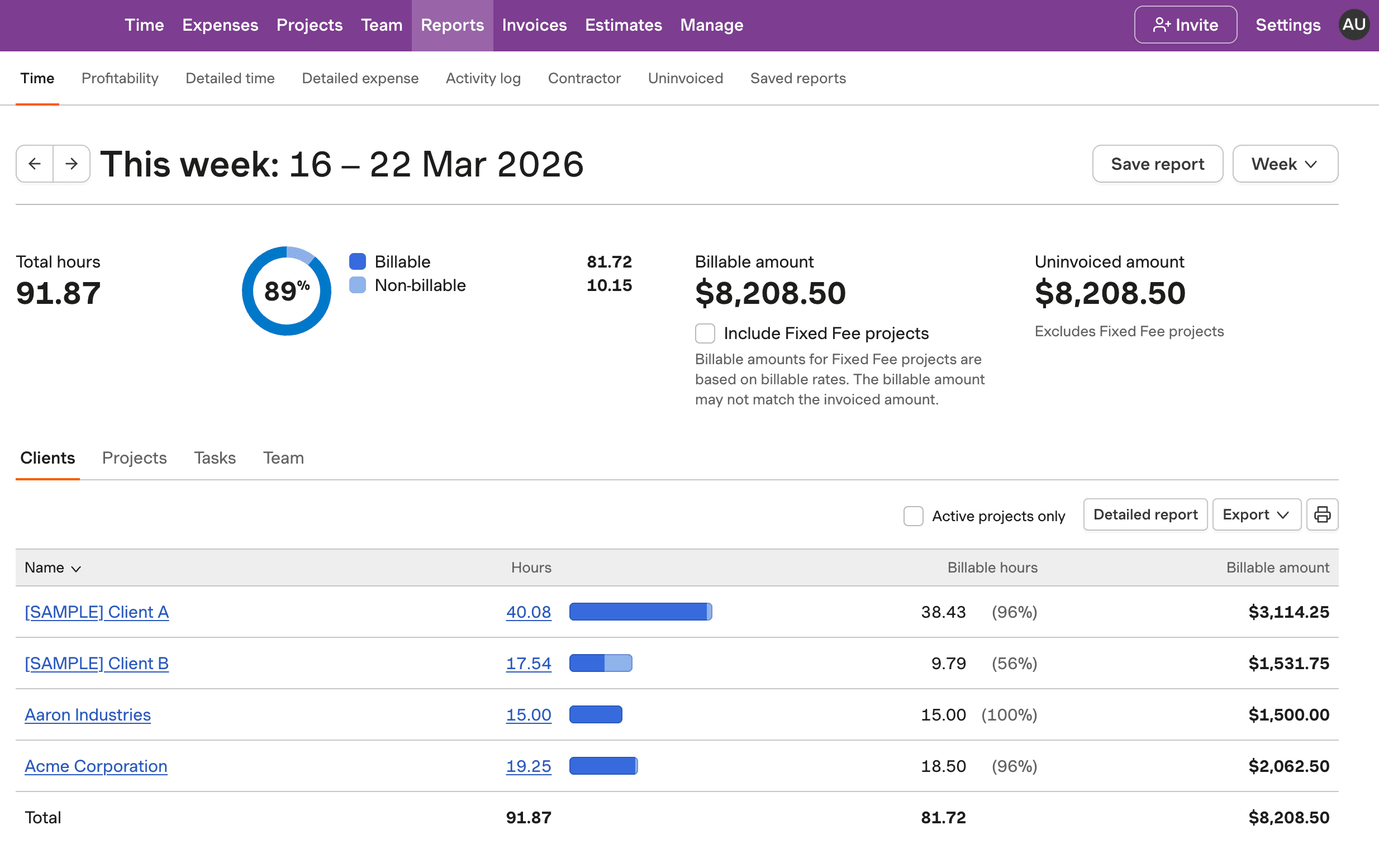
The preview shows how Harvest's calculator aids chiropractors in setting accurate hourly rates by factoring in expenses and non-billable hours.

Screenshot of Harvest's hourly rate calculator for chiropractors.

Hourly Rate Calculator for Chiropractors FAQs

  • Chiropractors calculate their hourly rate by considering overhead costs, patient visit frequency, and desired profit margins. Typically, overhead costs make up 50% to 65% of revenue. Calculating the cost per patient visit helps in setting a sustainable rate.

  • Chiropractors should include both fixed expenses (like rent and equipment leases) and variable costs (such as utilities and payroll). Overhead costs generally range from 50% to 65% of total revenue, influencing the final hourly rate.

  • To set a competitive yet sustainable rate, chiropractors should benchmark against Medicare's fee schedule, consider regional market rates, and adjust based on specialization. Private insurers typically pay 143% of Medicare's rates, guiding pricing strategies.

  • Specialization can significantly impact pricing. Chiropractors focusing on niche areas like sports injuries or pediatric care often command higher fees, as these services require specialized skills and may offer enhanced value to patients.

  • Harvest helps chiropractors by tracking non-billable hours and expenses, providing detailed reports for setting accurate hourly rates. This ensures services are priced sustainably, aiding in practice profitability.

  • Yes, chiropractors can offer discounts legally through consistent policies such as time-of-service discounts or financial hardship plans, provided these are clearly documented and applied consistently.

  • Non-billable hours can reduce profitability if not managed properly. Harvest tracks these hours, allowing chiropractors to analyze their impact and adjust pricing or operations to maintain financial health.