
Harvest
Time Tracking
Sign up free

Hourly Rate Calculator for Adp

Pair Harvest with ADP for precise hourly rate tracking. Log billable hours with one-click timers and export clean data for payroll processing.

Try Harvest Free

What should you charge per hour?

Most freelancers and consultants dramatically undercharge. This calculator accounts for what most people miss: non-billable time, taxes, and overhead.

$
Accounting for vacation, holidays, sick days
60%
Most freelancers can bill 50-70% of their time. The rest goes to admin, marketing, proposals, and learning.
$
Software, insurance, equipment, accounting, taxes beyond income tax, etc.
Your break-even rate $0
Recommended rate (+20% buffer) $0
Billable hours per week 0h
Equivalent daily rate $0

Start tracking your billable hours

Walk through the entire flow below. Start a timer, check your reports, and create a real invoice — all in three clicks.

Go ahead — start tracking!

One click and you're timing. Try it right here: start a timer, add an entry, edit the details. This is exactly how it feels in Harvest.

  • One-click timer from browser, desktop & mobile
  • Works inside Jira, Asana, Trello, GitHub & 50+ tools
  • Duration or start/end — your call
  • Day, week & calendar views to stay on top of it all
  • Friendly reminders so no hour gets left behind
Acme Corp
Website Redesign
Homepage layout revisions
1:24:09
Content Strategy
Blog calendar planning
1:30:00
SEO Audit
Technical audit report
0:45:00
Brand Guidelines
Color system documentation
2:15:00
Logo Concepts
Initial sketches round 1
1:00:00

Understanding Hourly Compensation with ADP

Hourly compensation is a payment structure where employees receive pay based on hours worked rather than a fixed salary. This is common for non-exempt employees, part-time staff, and contractors. In the United States, the federal minimum wage is $7.25 per hour, although many states have higher minimums. For instance, Washington, D.C. has set its rate at $17.95 per hour as of January 1, 2026.

Accurate calculation of hourly rates involves understanding the difference between gross and net pay. Gross pay refers to total earnings before deductions, while net pay is what an employee takes home after taxes and other withholdings. Using ADP’s payroll system can help ensure these calculations are precise, accounting for federal and state deductions, such as FICA taxes and state unemployment taxes.
How to Calculate Your Hourly Rate with ADP

Calculating your hourly rate accurately is crucial for payroll management. To convert an annual salary into an hourly rate, divide the annual salary by 2,080—representing a typical 40-hour workweek across 52 weeks. For example, a $50,000 salary equates to an hourly rate of $24.04.

ADP’s systems can facilitate these calculations by accounting for overtime pay, which is required for hours worked beyond 40 in a week. Under the Fair Labor Standards Act (FLSA), overtime must be paid at no less than 1.5 times the regular hourly rate. This ensures compliance with federal regulations while providing accurate compensation for additional hours worked.

Navigating Payroll Deductions with ADP

Understanding payroll deductions is essential for determining net pay. Common deductions include federal income tax, Social Security at 6.2% of wages, and Medicare at 1.45% of all wages. ADP’s payroll tools help manage these calculations efficiently, ensuring compliance with federal and state regulations.

Employers must also handle additional taxes such as the Federal Unemployment Tax Act (FUTA) and state-specific unemployment taxes (SUTA). These contributions, along with pre-tax and post-tax deductions like health insurance and retirement savings, affect an employee's net pay. Leveraging ADP’s capabilities can simplify these complex calculations and ensure accurate payroll processing.

Factors Influencing Hourly Wages

Several factors influence hourly wages, including job role, experience, education, and geographic location. For instance, states like California adjust their minimum wage annually based on inflation, setting it at $16.90 per hour by 2026. Such variations can significantly impact payroll calculations.

Moreover, industries have specific wage standards; for instance, fast-food workers in California might earn a minimum of $20 per hour if the employer operates at least 60 locations nationally. Understanding these variables is crucial for setting competitive wages and ensuring compliance with legal standards, especially when utilizing ADP's payroll services.

Best Practices for Using ADP's Payroll System

Utilizing ADP’s payroll system effectively requires adherence to best practices for compliance and accuracy. Regularly updating payroll settings to reflect changes in federal and state laws is essential. For example, staying informed about scheduled minimum wage increases and overtime regulations can prevent legal issues.

Accurate recordkeeping of hours worked and payroll data is critical. This ensures fair compensation and minimizes errors in deductions or tax withholdings. ADP’s system supports these needs by providing robust tools for tracking and managing payroll data, ensuring that both employers and employees benefit from its comprehensive features.

Hourly Rate Calculator for Harvest

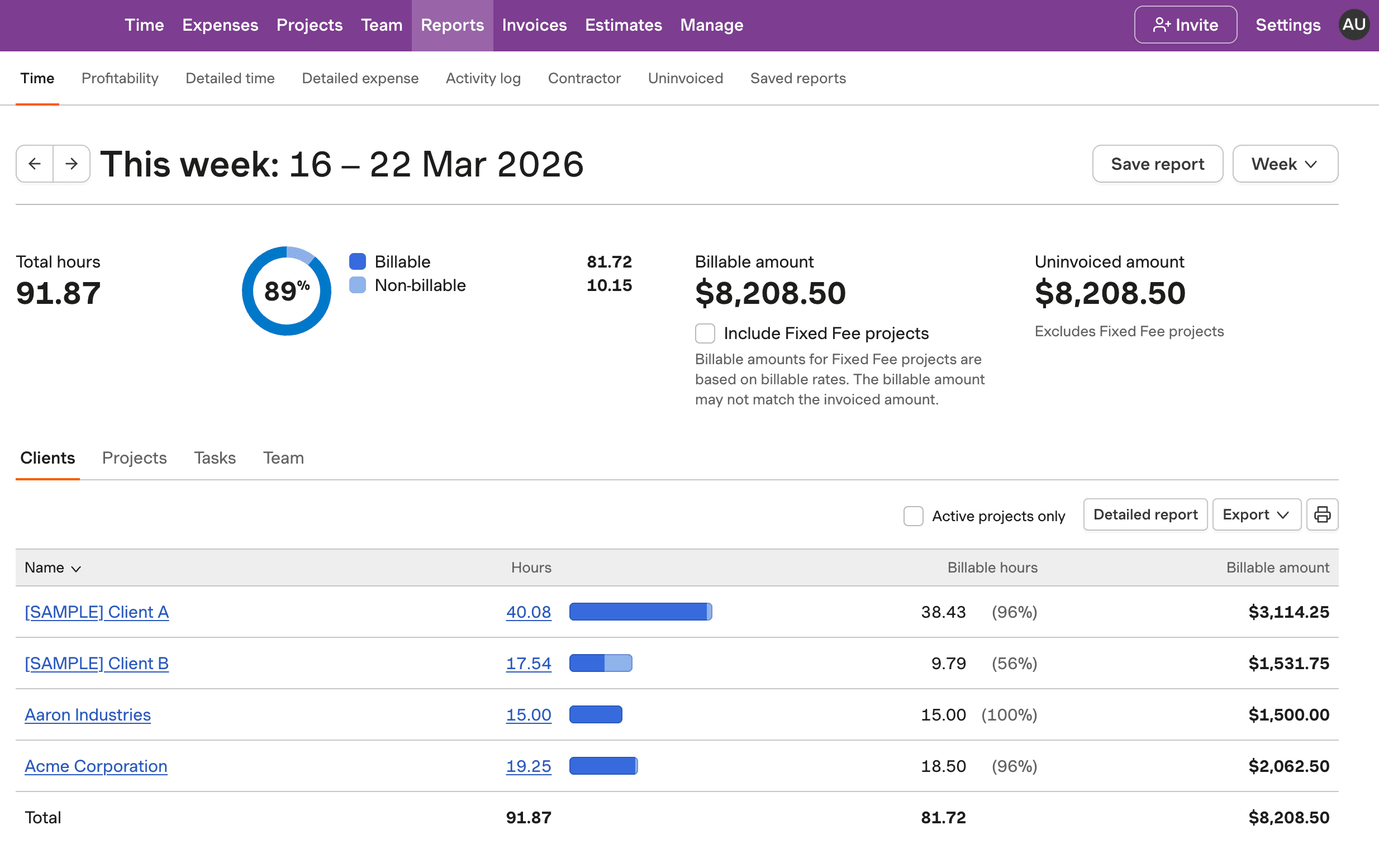
View Harvest's interface for calculating hourly rates, understanding deductions, and ensuring accurate payroll management.

ADP hourly rate calculator interface with input fields for wage details.

Hourly Rate Calculator for Adp FAQs

  • To use the ADP hourly rate calculator, input your annual salary and divide it by 2,080 for a standard 40-hour workweek. This calculates your hourly rate. ADP's tool also allows for deductions and overtime calculations, ensuring compliance with federal and state regulations.

  • ADP manages deductions such as federal income tax, Social Security (6.2%), and Medicare (1.45%). Additional deductions may include state taxes and health insurance premiums, all calculated to determine net pay.

  • ADP calculates after-tax pay by subtracting deductions from gross earnings. This includes federal, state, and local taxes, along with any voluntary deductions like retirement contributions, resulting in the net pay an employee receives.

  • Yes, ADP's tools calculate overtime pay by multiplying hours worked over 40 per week by 1.5 times the regular hourly rate, in compliance with the Fair Labor Standards Act. This ensures accurate compensation for additional hours worked.

  • Geographic location significantly impacts hourly wages as states and localities may have minimum wage laws exceeding the federal rate. For example, California's minimum wage is $16.90 per hour as of 2026, reflecting regional economic demands.

  • Gross pay is the total earnings before deductions, while net pay is what an employee takes home after taxes and other withholdings. ADP's payroll system calculates these to ensure accurate paychecks.

  • ADP calculates overtime by paying 1.5 times the regular hourly rate for hours worked beyond 40 in a week. This complies with federal laws to ensure employees receive fair compensation for extra work hours.