Sign up free
Understanding Billable Hours in the Middle East Context
Calculating billable hours in the Middle East requires an understanding of regional labor laws and cultural practices. Key differences include the standard workweek, which is generally 48 hours across UAE, Saudi Arabia, and Qatar, typically split into eight-hour days. During Ramadan, work hours are reduced by two hours daily in the UAE and Qatar, and to six hours per day in Saudi Arabia for Muslim workers, impacting billable calculations.
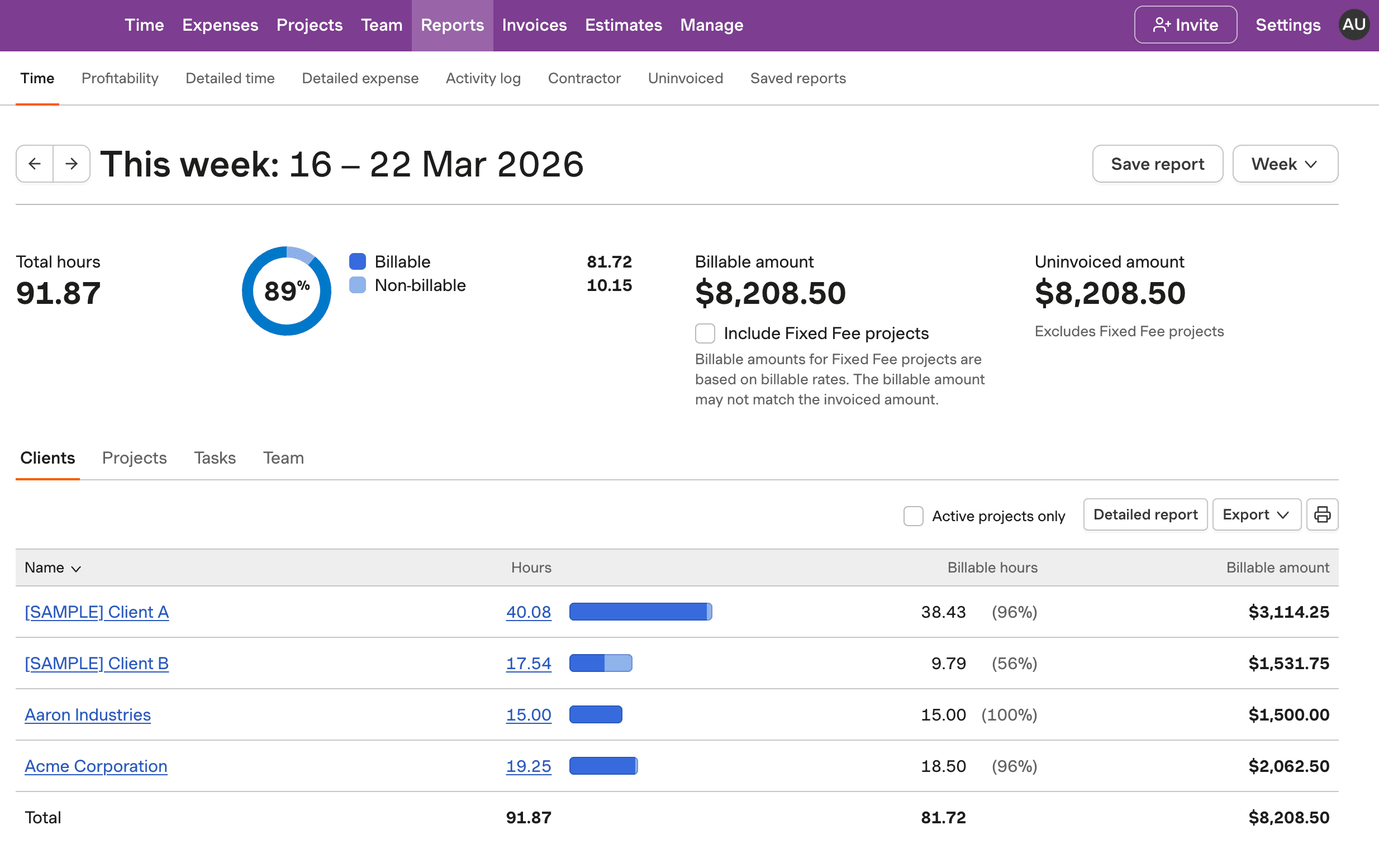
Billable hours refer to the time worked on tasks that can be charged to clients, such as client meetings, document drafting, and legal research. In contrast, non-billable hours cover activities like administrative tasks and professional development. Understanding this distinction is crucial for accurate billing and client transparency.
Various billing models are employed, including hourly rates, fixed fees, and retainers. Each model has its benefits and fits different service types. For instance, the legal sector in Dubai bills between AED 700 to AED 3,000 per hour, depending on the lawyer's experience. Accurate time tracking is essential to ensure profitability and maintain client trust.