
Harvest
Time Tracking
Sign up free

Meal Break Requirements

Harvest is a time tracking and invoicing tool that simplifies managing work hours and compliance with meal break requirements for teams and freelancers.

Try Harvest Free

How many hours did you work this week?

Enter your clock-in and clock-out times for each day. The calculator handles breaks, overtime, and weekly totals automatically.

Day Clock In Clock Out Break Hours
Total hours this week 0h
Regular hours (≤40) 0h
Overtime hours 0h
Average hours/day 0h
Total break time 0h

Track time automatically with Harvest

Walk through the entire flow below. Start a timer, check your reports, and create a real invoice — all in three clicks.

Go ahead — start tracking!

One click and you're timing. Try it right here: start a timer, add an entry, edit the details. This is exactly how it feels in Harvest.

  • One-click timer from browser, desktop & mobile
  • Works inside Jira, Asana, Trello, GitHub & 50+ tools
  • Duration or start/end — your call
  • Day, week & calendar views to stay on top of it all
  • Friendly reminders so no hour gets left behind
Acme Corp
Website Redesign
Homepage layout revisions
1:24:09
Content Strategy
Blog calendar planning
1:30:00
SEO Audit
Technical audit report
0:45:00
Brand Guidelines
Color system documentation
2:15:00
Logo Concepts
Initial sketches round 1
1:00:00

Understanding Meal Break Requirements Across States

Meal break requirements vary significantly across the United States, primarily governed by state laws rather than federal mandates. Federal law, under the Fair Labor Standards Act (FLSA), does not require employers to provide meal or rest breaks. However, if breaks are offered, those lasting between 5 to 20 minutes must be compensated as work hours. Meal periods of 30 minutes or more can be unpaid, provided the employee is relieved of all duties.

In states like California, employers are mandated to provide a 30-minute uninterrupted meal break for shifts exceeding 5 hours, with a second break required for shifts over 10 hours. Failure to comply results in a penalty of one additional hour of pay. Oregon and Washington have similar mandates, enforcing a 30-minute meal break for certain shift lengths and requiring paid rest breaks every 4 hours worked. Understanding these differences is crucial for compliance and protecting employee rights.
State-Specific Meal Break Laws

Each state in the U.S. can impose its own meal break requirements, adding layers of complexity for both employers and employees. For instance, in Massachusetts, employees working more than six hours are entitled to a 30-minute meal break, which can be unpaid unless work continues during the break. New York mandates a 60-minute lunch break for factory workers and different provisions for non-factory workers depending on shift times.

States like California allow for waivers under specific conditions — the first meal break can be waived if the workday is 6 hours or less, provided there is mutual consent. These waivers must be voluntary, in writing, and revocable at any time by the employee. Such nuances in state laws necessitate a thorough understanding to ensure compliance and uphold workers' rights.

Paid vs. Unpaid Meal Breaks

The distinction between paid and unpaid meal breaks is crucial for compliance and employee satisfaction. Generally, meal breaks can be unpaid if they last 30 minutes or more and the employee is completely relieved of duties. However, if an employee is required to perform any duties, such as answering phones or staying on call, the time must be compensated. This requirement ensures that employees do not perform unpaid work inadvertently.

Shorter breaks, typically lasting less than 20 minutes, are considered compensable work hours under federal guidelines. Employers must ensure clarity in break policies to avoid penalties and maintain a fair work environment. In California, for instance, if a mandated meal or rest break is not provided, employers must compensate employees with one additional hour of pay for each day the violation occurs, reinforcing the importance of adherence to break laws.

The Role of Waivers in Meal Break Regulations

Waivers provide flexibility within meal break regulations, allowing employees to voluntarily forego breaks under certain conditions. In California, for example, a meal break can be waived if the workday is 6 hours or less, but this waiver must be mutually agreed upon and documented in writing. Importantly, employees retain the right to revoke these waivers at any time, ensuring their freedom to modify work arrangements as needed.

This flexibility supports diverse work environments, accommodating varying employee needs and work schedules. However, it also requires careful documentation and communication to ensure all parties understand their rights and obligations. Employers must manage these waivers diligently to maintain compliance and support employee well-being.

Harvest for Meal Break Compliance

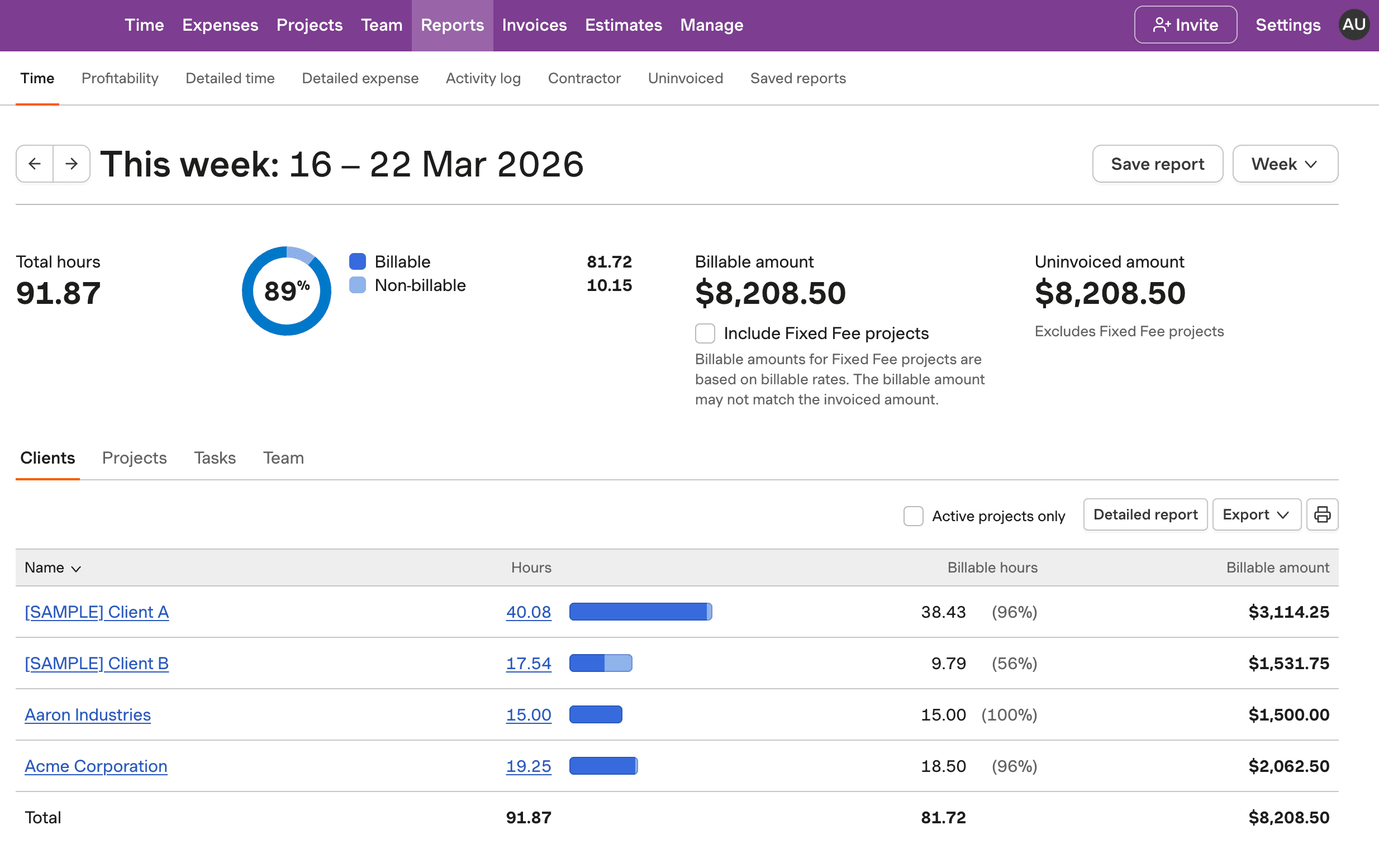
See how Harvest helps track work hours and meal breaks to ensure compliance with state regulations.

Harvest time tracking for meal break compliance

Meal Break Requirements FAQs

  • In California, employers must provide a 30-minute duty-free meal break for non-exempt employees working more than 5 hours. A second break is required for shifts over 10 hours. If these breaks are not provided, employers owe an additional hour of pay for each violation.

  • Meal breaks are generally unpaid if they last 30 minutes or more and the employee is completely relieved of all duties. However, if any work is performed during the break, it must be paid. Short breaks under 20 minutes are typically paid.

  • Yes, in some states like California, employees can waive their meal breaks if the workday is 6 hours or less. This waiver must be voluntary, in writing, and can be revoked by the employee at any time.

  • If employers fail to provide required meal breaks, they may owe the employee one additional hour of pay at the regular rate for each day the violation occurs. This ensures compliance with state laws.

  • Meal break laws vary widely, with some states like California and Oregon having strict mandates, while others have none. Key differences include break duration, timing, and conditions for unpaid status. Understanding these laws is crucial for compliance.

  • Meal breaks are typically 30 minutes or longer and can be unpaid if duty-free. Rest breaks are shorter, usually 5 to 20 minutes, and are often paid. Both types of breaks are governed by state laws, which may vary.

  • If an employer requires work during a meal break, the time must be compensated as work hours. Employees must be completely relieved of duties for the break to be unpaid.

  • While Harvest specializes in time tracking and invoicing, it can be used to log work hours, ensuring compliance with meal break requirements through detailed reporting and flexible logging options.