
Harvest
Time Tracking
Sign up free

Overtime Calculator in Iran

Harvest offers a flexible solution for calculating overtime in Iran, addressing the complexities of local labor laws and ensuring compliance with premium rates.

Try Harvest Free

What will your overtime pay be?

Calculate regular and overtime earnings based on your hours and rate. Supports standard time-and-a-half and double-time multipliers.

$
Standard is 40 hours/week (FLSA threshold)
1.5x
1.5x = time and a half (most common). 2x = double time (CA after 12h, holidays).
Some states require 2x pay after 12 hours/day or on 7th consecutive day.
Total gross pay $0
Regular pay $0
Overtime pay (1.5x) $0
Double-time pay (2x) $0
Effective hourly rate $0

Track overtime hours with Harvest

Walk through the entire flow below. Start a timer, check your reports, and create a real invoice — all in three clicks.

Go ahead — start tracking!

One click and you're timing. Try it right here: start a timer, add an entry, edit the details. This is exactly how it feels in Harvest.

  • One-click timer from browser, desktop & mobile
  • Works inside Jira, Asana, Trello, GitHub & 50+ tools
  • Duration or start/end — your call
  • Day, week & calendar views to stay on top of it all
  • Friendly reminders so no hour gets left behind
Acme Corp
Website Redesign
Homepage layout revisions
1:24:09
Content Strategy
Blog calendar planning
1:30:00
SEO Audit
Technical audit report
0:45:00
Brand Guidelines
Color system documentation
2:15:00
Logo Concepts
Initial sketches round 1
1:00:00

Understanding Overtime Laws in Iran

In Iran, the regulation of overtime is dictated by a set of specific laws designed to protect both workers and employers. According to Iran's Labor Law, standard working hours are capped at 44 hours per week, equivalent to approximately 7.33 hours per day. Overtime is any work beyond these hours and is subject to strict regulations. Critically, overtime can only be performed with the employee's consent, except in exceptional circumstances such as emergencies. Workers should be aware that the maximum permissible overtime is 4 hours per day and 120 hours per month, unless otherwise agreed under special conditions.

Employers must adhere to these guidelines to avoid legal repercussions, especially since overtime pay carries a premium rate. Specifically, the overtime rate is set at 1.4 times the normal hourly wage, reflecting a 40% increase. Ensuring compliance with these laws is not just a legal obligation but also a matter of maintaining fair labor practices.
Calculating Overtime Pay in Iran

Calculating overtime pay in Iran involves several steps to ensure compliance with labor laws. First, determine the normal hourly wage by dividing the daily wage by the standard 7.33 working hours. For example, if an employee's monthly salary divides to a daily wage of 1,000,000 IRR, the hourly rate would be approximately 136,390 IRR. The overtime rate is then calculated by multiplying this amount by 1.4, resulting in an overtime hourly rate of 191,946 IRR.

Employers must carefully track the total monthly overtime hours, multiplying this by the overtime hourly rate to calculate the total overtime pay. For instance, if an employee works 20 hours of overtime in a month, their additional earnings would be approximately 3,838,920 IRR. This meticulous calculation ensures accurate compensation and compliance with legal standards.

Special Overtime Scenarios and Premiums

Beyond standard overtime, specific scenarios in Iran's labor market involve unique premiums. For example, working on Fridays, typically a day off, entitles employees to an additional 40% premium on top of the 40% overtime rate, potentially reaching an 80% increase over the normal hourly wage. Furthermore, work on official holidays also commands a 40% premium per hour, separate from any overtime calculation.

Night shifts, defined as work between 10 PM and 6 AM, introduce an additional complexity. These shifts carry a 35% premium, and if overtime occurs during these hours, the worker's pay can rise to 175% of the normal hourly wage. Employers must carefully manage these scenarios to ensure compliance and fair compensation.

Legal Limits and Worker Rights

Iranian labor law imposes clear limits on overtime to protect worker welfare. Daily overtime is capped at 4 hours, while monthly overtime should not exceed 120 hours. Violating these limits can lead to severe penalties, emphasizing the importance of compliance. Overtime is strictly prohibited for certain groups, such as minors and those in hazardous jobs, where the maximum is 36 hours per week.

Employers are obligated to secure worker consent for overtime, except in emergencies like natural disasters, where exceptions apply. Additionally, overtime payments contribute to social security and retirement benefits, underscoring their significance in long-term financial planning for employees. Understanding these rights and obligations is crucial for both workers and employers to maintain a fair and legal workplace.

Harvest Overtime Calculator

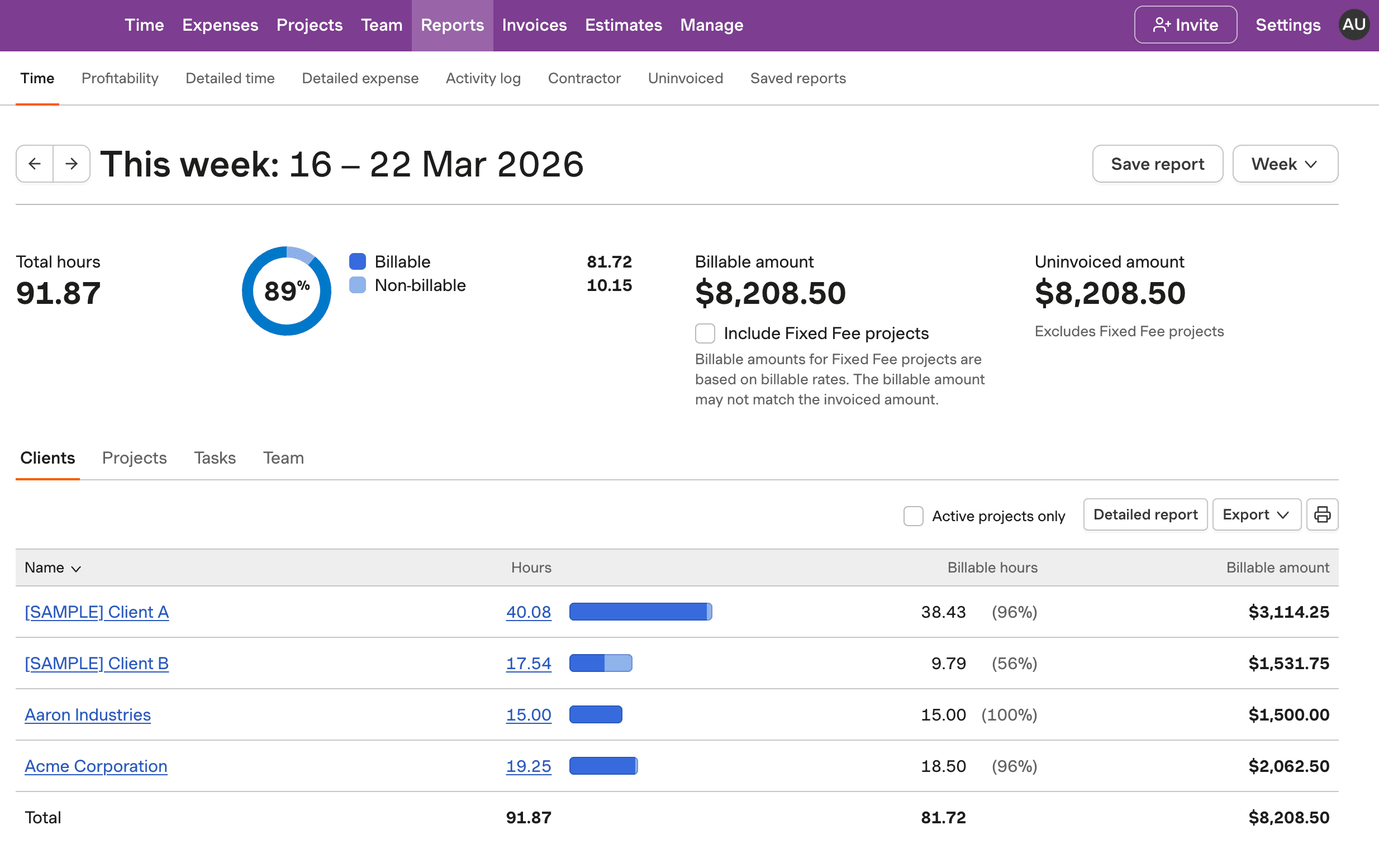
The Harvest overtime calculator shows how to apply Iran's 40% overtime premium, ensuring accurate compensation.

Harvest screenshot showing overtime calculation for Iran

Overtime Calculator in Iran FAQs

  • In Iran, the legal overtime rate is 1.4 times the normal hourly wage, which includes a 40% premium. This applies to all overtime hours worked beyond the standard 44-hour workweek.

  • The maximum allowable overtime hours in Iran are 4 hours per day and 120 hours per month. These limits help prevent worker fatigue and ensure fair labor practices.

  • Overtime in Iran generally requires the employee's consent, except in emergencies. Employers must obtain written consent to ensure compliance and avoid legal issues.

  • For night shifts in Iran, which occur between 10 PM and 6 AM, employees receive a 35% premium on their normal wage. If overtime coincides with these hours, the pay rises to 175% of the standard wage.

  • Friday work in Iran, the weekly day off, requires an additional 40% payment on top of the normal wage. If considered overtime, the total premium may reach 80%, ensuring fair compensation.

  • Yes, overtime payments are generally subject to social security deductions in Iran and can impact retirement benefits if contributions are made.

  • In Iran, minors aged 15 to 18 are prohibited from working overtime. This regulation protects young workers from excessive work hours and potential exploitation.

  • Forcing overtime without consent is illegal in Iran and can lead to legal penalties. Employers must adhere to labor laws and respect worker rights to avoid disputes.