
Harvest
Time Tracking
Sign up free

Utilization Rate Calculator in Iran

Harvest helps Iranian businesses optimize efficiency with utilization rate calculations, aligning with local tax regulations to enhance profitability.

Try Harvest Free

How much revenue is your team leaving on the table?

Most agencies run at 55-60% utilization. Even a small improvement means significant revenue. See what closing the gap looks like for your team.

Number of people who track billable time
$
Blended rate across roles (junior, senior, lead)
55%
Percentage of total hours that are billable. Industry average is 55-60%.
75%
A realistic target for service businesses is 70-80%.
Monthly revenue gap $0
Revenue at current utilization $0/mo
Revenue at target utilization $0/mo
Extra billable hours needed per person/day 0h
Annual revenue opportunity $0

Start tracking team utilization

Walk through the entire flow below. Start a timer, check your reports, and create a real invoice — all in three clicks.

Go ahead — start tracking!

One click and you're timing. Try it right here: start a timer, add an entry, edit the details. This is exactly how it feels in Harvest.

  • One-click timer from browser, desktop & mobile
  • Works inside Jira, Asana, Trello, GitHub & 50+ tools
  • Duration or start/end — your call
  • Day, week & calendar views to stay on top of it all
  • Friendly reminders so no hour gets left behind
Acme Corp
Website Redesign
Homepage layout revisions
1:24:09
Content Strategy
Blog calendar planning
1:30:00
SEO Audit
Technical audit report
0:45:00
Brand Guidelines
Color system documentation
2:15:00
Logo Concepts
Initial sketches round 1
1:00:00

Understanding Utilization Rates in Iran

Utilization rates are a critical metric for businesses in Iran, particularly in professional service sectors, as they measure efficiency by comparing billable hours to total available work hours. Calculating utilization rates helps businesses optimize their workforce and enhance profitability. In Iran, typical target utilization rates range from 70% to 80%, which align with global standards for professional services. This balance ensures that staffing expenses, overhead, and profit margins are adequately managed.

A utilization rate of 80% means an employee is billing 32 out of 40 available hours weekly. This metric not only impacts internal assessments of efficiency but also plays a significant role in invoicing and compliance with tax laws, such as the 9% VAT currently applicable in Iran. Understanding these rates is crucial for adhering to government regulations and maximizing the economic output of your business.
Calculating Utilization Rates with a Focus on Iranian Regulations

In Iran, calculating utilization rates involves understanding both local business practices and regulatory requirements. The calculation itself is straightforward: divide the total billable hours by the total available hours and multiply by 100 to get a percentage. However, the implications of this metric extend to invoicing, where accuracy is paramount due to compliance with the Iranian National Tax Administration (INTA) standards.

For a business operating in Iran, it's crucial to factor in the local tax rates, such as the 25% corporate income tax, when setting billing rates and assessing profitability. Additionally, the proposed increase in VAT to 10% by 2025 will require businesses to adjust their financial strategies accordingly. By integrating these considerations, businesses can use utilization rates not only to measure efficiency but also to ensure compliance with Iranian tax regulations.

Finding Reliable Utilization Rate Calculators for Iranian Businesses

For businesses in Iran seeking to calculate utilization rates effectively, finding a reliable tool is essential. While Harvest offers robust time tracking and invoicing capabilities, businesses need to ensure that any utilization rate calculators they use comply with local regulatory frameworks. The proposed shift towards e-invoicing in Iran, supported by the "Point of Sale and Tax Payers System Act," underscores the importance of digital tools that align with these changes.

Utilization rate calculators should facilitate easy adjustments to accommodate the 9% VAT and potential future tax changes. Additionally, businesses should look for tools that provide comprehensive reports on time, expenses, and budgets, enabling them to maintain organized records as required by the INTA. Leveraging such tools ensures that businesses can efficiently manage their operations while adhering to the unique requirements of the Iranian market.

Key Factors Affecting Utilization Rates in Iran

Several factors influence utilization rates in Iran's business landscape. Economic conditions, such as inflation and sanctions, impact staffing levels and operational costs, which in turn affect utilization rates. The unique "Hesab-daftari" system, an informal credit system, also plays a role in how businesses manage cash flow and billable hours.

Moreover, cultural practices like "Taarof," a customary form of politeness in business transactions, can inadvertently affect billing efficiency and reported utilization rates. Understanding these cultural nuances, alongside complying with tax laws like the 3% withholding tax on service payments, is essential for accurately determining utilization rates. By considering these factors, Iranian businesses can better align their operational strategies with both local customs and regulatory requirements.

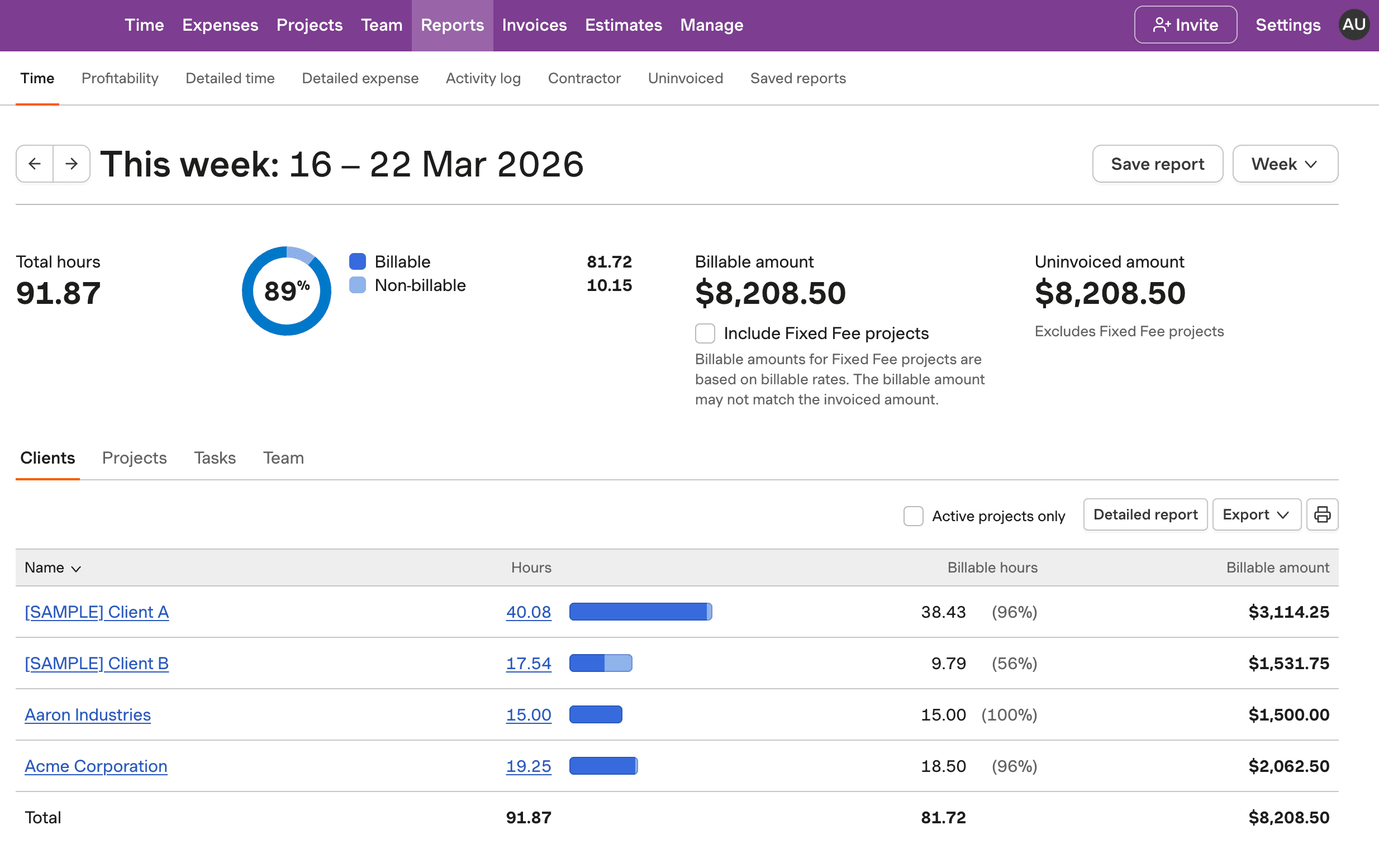
Utilization Rate Calculator with Harvest

See how Harvest helps Iranian businesses calculate utilization rates, optimizing efficiency and aligning with local tax regulations.

Screenshot of Harvest's utilization rate calculator tailored for Iran.

Utilization Rate Calculator in Iran FAQs

  • A utilization rate calculator measures the efficiency of a business by comparing billable hours to total available hours. It's crucial for assessing profitability.

  • To calculate utilization rates, divide total billable hours by total available hours and multiply by 100. Consider local tax rates, like the 9% VAT, in your calculation.

  • Economic conditions, cultural practices like "Taarof," and compliance with tax laws such as the 3% withholding tax can all influence utilization rates in Iran.

  • While there are no specific regulations for utilization rates, businesses must comply with tax laws like the 9% VAT and maintain accurate records for the INTA.

  • Tools like Harvest offer robust time tracking and invoicing capabilities that can help businesses in Iran calculate utilization rates while complying with local regulations.

  • "Taarof" may delay payment acceptance, impacting billing efficiency and utilization rates. It's a social custom to be mindful of in business settings.

  • While Harvest excels in time tracking, ensuring any utilization rate tools comply with Iranian regulations is essential for accurate calculations and reporting.