
Harvest
Time Tracking
Sign up free

Overtime Calculator vs Manual Calculation

Facing the complexities of overtime pay? Harvest simplifies the process, reducing errors and ensuring compliance with FLSA regulations.

Try Harvest Free

What will your overtime pay be?

Calculate regular and overtime earnings based on your hours and rate. Supports standard time-and-a-half and double-time multipliers.

$
Standard is 40 hours/week (FLSA threshold)
1.5x
1.5x = time and a half (most common). 2x = double time (CA after 12h, holidays).
Some states require 2x pay after 12 hours/day or on 7th consecutive day.
Total gross pay $0
Regular pay $0
Overtime pay (1.5x) $0
Double-time pay (2x) $0
Effective hourly rate $0

Track overtime hours with Harvest

Walk through the entire flow below. Start a timer, check your reports, and create a real invoice — all in three clicks.

Go ahead — start tracking!

One click and you're timing. Try it right here: start a timer, add an entry, edit the details. This is exactly how it feels in Harvest.

  • One-click timer from browser, desktop & mobile
  • Works inside Jira, Asana, Trello, GitHub & 50+ tools
  • Duration or start/end — your call
  • Day, week & calendar views to stay on top of it all
  • Friendly reminders so no hour gets left behind
Acme Corp
Website Redesign
Homepage layout revisions
1:24:09
Content Strategy
Blog calendar planning
1:30:00
SEO Audit
Technical audit report
0:45:00
Brand Guidelines
Color system documentation
2:15:00
Logo Concepts
Initial sketches round 1
1:00:00

Understanding the Differences: Overtime Calculator vs Manual Calculation

When calculating overtime pay, understanding the key differences between using an overtime calculator and performing manual calculations is crucial. The Fair Labor Standards Act (FLSA) mandates that non-exempt employees receive overtime pay at 1.5 times their regular rate for hours worked over 40 in a workweek. However, this seemingly simple calculation can become complex when factors like multiple pay rates or bonuses are involved.

Manual calculations require meticulous attention to detail. Employers must accurately calculate the regular rate of pay, which includes hourly wages, non-discretionary bonuses, and commissions. These additional factors often lead to errors, with 80% of manual timesheets containing inaccuracies. Such errors can result in underpayments, leading to Department of Labor fines of up to $2,074 per willful violation.
Advantages of Using an Overtime Calculator

An overtime calculator offers significant advantages over manual calculations, primarily in accuracy and efficiency. By automating the process, calculators eliminate the risk of human error, ensuring that all components, such as bonuses and shift differentials, are included in the regular rate. This precision is crucial, given that miscalculations can lead to costly penalties and employee dissatisfaction.

Furthermore, overtime calculators streamline the payroll process by providing instant calculations. This reduces the administrative burden and allows HR departments to focus on strategic tasks rather than time-consuming manual computations. For businesses, this translates to fewer disputes and enhanced compliance with labor laws, which is vital given the statute of limitations typically spans 2-3 years for reviewing payroll records.

Common Mistakes in Manual Overtime Calculations

Manual overtime calculations are prone to several common mistakes that can have financial and legal repercussions. One frequent error is failing to include all components in the regular rate of pay, such as non-discretionary bonuses and commissions. This oversight can lead to underpaying employees and subsequent fines.

Another mistake is misclassifying employees as exempt, which can result in costly back pay and penalties. Additionally, not accounting for all "hours worked," such as required travel time and short rest breaks, can lead to inaccurate calculations. These errors contribute to significant financial losses, with manual miscalculations potentially affecting 15-20% of payroll expenses.

When to Choose an Overtime Calculator

Deciding when to use an overtime calculator instead of manual calculations depends on several factors, including the complexity of your payroll and the risk of errors. Businesses with diverse pay structures, involving multiple rates or frequent bonuses, benefit greatly from automated calculations. This ensures precision and compliance with the FLSA requirements.

For companies aiming to minimize payroll processing time and reduce error-related costs, an overtime calculator is an invaluable tool. It not only enhances accuracy but also supports better record-keeping, safeguarding against disputes and legal challenges. Given these advantages, many organizations find that the investment in an overtime calculator pays off through increased efficiency and reduced compliance risks.

Experience Overtime Precision with Harvest

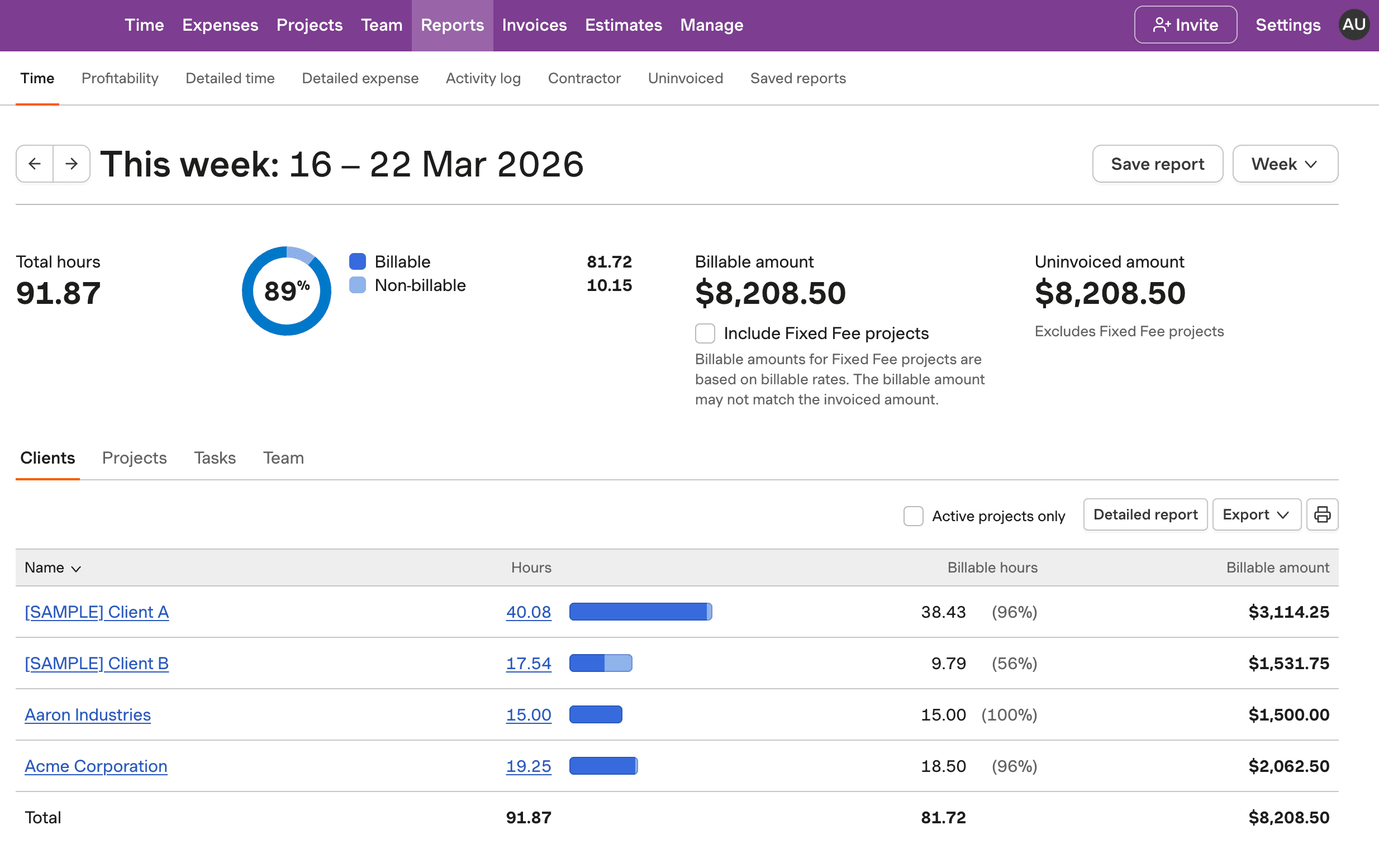
This preview highlights Harvest's overtime calculator, showcasing accurate and efficient payroll processing for compliance and error reduction.

Screenshot showing Harvest's overtime calculator in action

Overtime Calculator vs Manual Calculation FAQs

  • The primary difference lies in accuracy and efficiency. Overtime calculators automate the inclusion of all pay components, reducing errors common in manual calculations. This automation ensures compliance with FLSA regulations.

  • Common mistakes include failing to include bonuses in the regular rate and misclassifying employees. These errors can lead to underpayment, fines, and legal challenges, impacting payroll by 15-20%.

  • An overtime calculator improves accuracy by automating complex calculations, ensuring all factors like bonuses and multiple pay rates are correctly included. This reduces the risk of errors and ensures compliance.

  • Use an overtime calculator when payroll involves complex structures or frequent bonuses. It enhances accuracy, reduces processing time, and minimizes compliance risks, making it ideal for detailed payroll systems.

  • Both methods require considering all pay components like bonuses and shift differentials. Additionally, compliance with FLSA regulations and accurate record-keeping are critical to avoid legal issues.

  • Harvest provides flexible manual tracking with customizable options, ensuring accurate overtime calculations and reducing the likelihood of errors commonly seen in manual processes.

  • Manual errors can result in financial losses, fines, and employee dissatisfaction. Overpayments or underpayments can affect 15-20% of payroll, highlighting the need for precise calculations.