
Harvest
Time Tracking
Sign up free

Overtime Rules by State

Overtime rules vary widely by state, impacting compliance and payroll accuracy. Harvest offers flexible time tracking to handle diverse state regulations.

Try Harvest Free

What will your overtime pay be?

Calculate regular and overtime earnings based on your hours and rate. Supports standard time-and-a-half and double-time multipliers.

$
Standard is 40 hours/week (FLSA threshold)
1.5x
1.5x = time and a half (most common). 2x = double time (CA after 12h, holidays).
Some states require 2x pay after 12 hours/day or on 7th consecutive day.
Total gross pay $0
Regular pay $0
Overtime pay (1.5x) $0
Double-time pay (2x) $0
Effective hourly rate $0

Track overtime hours with Harvest

Walk through the entire flow below. Start a timer, check your reports, and create a real invoice — all in three clicks.

Go ahead — start tracking!

One click and you're timing. Try it right here: start a timer, add an entry, edit the details. This is exactly how it feels in Harvest.

  • One-click timer from browser, desktop & mobile
  • Works inside Jira, Asana, Trello, GitHub & 50+ tools
  • Duration or start/end — your call
  • Day, week & calendar views to stay on top of it all
  • Friendly reminders so no hour gets left behind
Acme Corp
Website Redesign
Homepage layout revisions
1:24:09
Content Strategy
Blog calendar planning
1:30:00
SEO Audit
Technical audit report
0:45:00
Brand Guidelines
Color system documentation
2:15:00
Logo Concepts
Initial sketches round 1
1:00:00

Understanding Overtime Rules Across States

Overtime rules in the United States vary by both federal and state regulations, with the Fair Labor Standards Act (FLSA) at the federal level mandating overtime pay at 1.5 times the regular rate for hours worked over 40 in a workweek. However, many states impose stricter regulations to provide greater benefits to employees. For instance, California mandates daily overtime pay after 8 hours, and double-time pay under specific conditions, such as over 12 hours in a day or 8 hours on the seventh consecutive workday. Understanding these nuanced differences is crucial for both employers and employees to ensure compliance and avoid penalties.

States like Alaska, Colorado, Nevada, and Oregon also have daily overtime rules, requiring overtime pay after a certain number of hours in a single day, regardless of weekly totals. Employers must therefore adhere to the law that offers the most favorable terms to employees, as failing to do so can result in significant penalties. The complexity of these regulations highlights the importance of accurate time tracking and payroll systems that can accommodate state-specific overtime rules.
The Importance of Accurate Time Tracking

Accurate time tracking is essential for complying with various state overtime rules, which can differ significantly from the federal standard. Many states, including Kansas and Minnesota, have unique weekly thresholds—46 hours and 48 hours respectively—when the FLSA doesn't apply. These variations necessitate precise timekeeping to ensure that all overtime hours are captured and compensated correctly. Employers often use advanced time tracking systems that differentiate between regular and overtime hours, automatically applying the correct overtime rates based on location.

Time tracking systems also facilitate transparency and accountability in billing, especially when separate line items are included for regular and overtime hours. This practice not only aids in compliance but also helps in maintaining trust with clients by clearly justifying higher charges due to overtime. Automated systems can also help streamline payroll processes, ensuring that employees are paid correctly and on time, while minimizing the risk of costly compliance errors.

Navigating State-Specific Overtime Penalties

Non-compliance with state-specific overtime rules can lead to substantial penalties for employers. These may include fines, back pay, and damages, which can be financially crippling, especially for small to medium-sized businesses. To mitigate these risks, employers often leverage automated payroll software that accurately calculates overtime in accordance with both federal and state regulations, providing peace of mind and protecting against legal repercussions.

For multi-state employers, this software becomes even more crucial as it needs to handle different rules across jurisdictions. The ability to customize settings for each state's requirements ensures that employees are compensated fairly while maintaining compliance. This proactive approach to managing overtime can safeguard a company’s reputation and financial health, underscoring the necessity of robust payroll solutions.

Leveraging Invoicing Practices for Compliance

Employers can further ensure compliance with overtime rules by adopting best invoicing practices. This involves clearly separating regular hours from overtime hours, indicating applicable overtime rates, and providing detailed descriptions of services rendered during overtime. Such transparency not only fosters trust with clients but also aligns with legal standards, helping prevent disputes and ensuring that all parties are on the same page regarding compensation.

Invoicing tools that integrate with time tracking systems can automate these practices, saving time and reducing the likelihood of human error. By implementing these systems, companies can streamline their operations, improve accuracy, and ensure that both payroll and invoicing processes meet the stringent requirements set forth by state and federal laws.

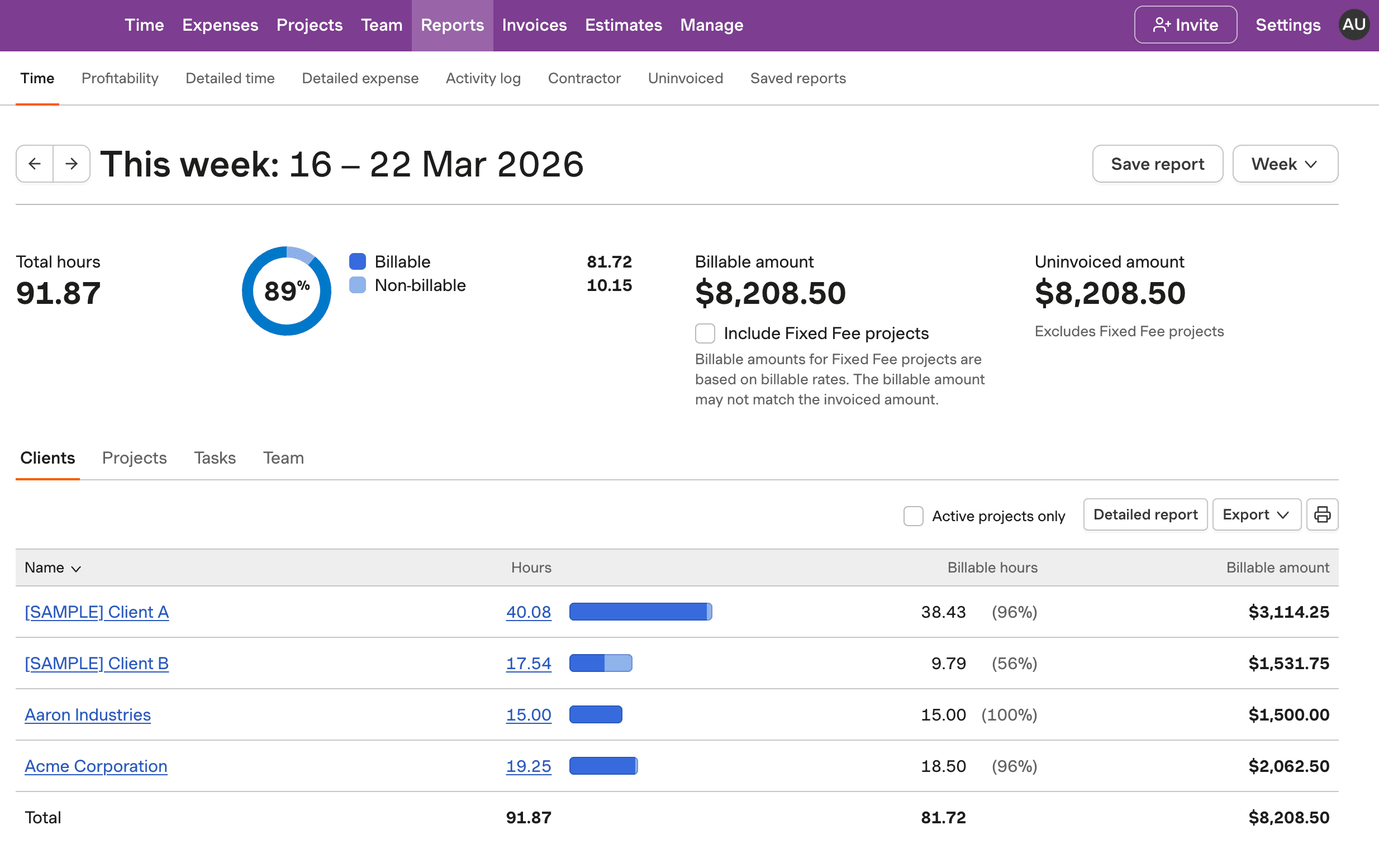
Harvest's Overtime Tracking

See how Harvest tracks overtime according to state-specific rules, ensuring accurate payroll and compliance.

Screenshot of Harvest's time tracking interface for managing overtime rules by state.

Overtime Rules by State FAQs

  • In California, overtime is required after 8 hours in a workday and double-time after 12 hours. Additionally, double-time is required for hours over 8 on the seventh consecutive day of work in a workweek.

  • Federal law mandates overtime pay at 1.5 times the regular rate for hours over 40 in a workweek. Some states have stricter rules, such as daily overtime requirements, which employers must follow if more beneficial to the employee.

  • States like Alaska, California, Colorado, Nevada, and Oregon have daily overtime requirements, mandating overtime pay after a certain number of hours in a single day.

  • Employers can ensure compliance by using automated payroll software that accurately tracks and calculates overtime according to both federal and state laws, tailored to specific jurisdictional requirements.

  • Penalties for violating overtime laws can include fines, back pay, and damages. Compliance ensures avoidance of these costly penalties and maintains trust with employees.

  • Harvest provides flexible time tracking that can be customized to align with the diverse overtime regulations across different states, helping ensure compliance and accuracy in payroll.

  • Overtime hours should be documented separately from regular hours on invoices, indicating the overtime rate and providing a detailed description of services rendered during those hours.