
Harvest
Time Tracking
Sign up free

Printable Capacity Tracker

Struggling to manage resource availability? Harvest offers a comprehensive capacity tracking solution to streamline project management and optimize resource utilization.

Try Harvest Free

How much revenue is your team leaving on the table?

Most agencies run at 55-60% utilization. Even a small improvement means significant revenue. See what closing the gap looks like for your team.

Number of people who track billable time
$
Blended rate across roles (junior, senior, lead)
55%
Percentage of total hours that are billable. Industry average is 55-60%.
75%
A realistic target for service businesses is 70-80%.
Monthly revenue gap $0
Revenue at current utilization $0/mo
Revenue at target utilization $0/mo
Extra billable hours needed per person/day 0h
Annual revenue opportunity $0

Start tracking team utilization

Walk through the entire flow below. Start a timer, check your reports, and create a real invoice — all in three clicks.

Go ahead — start tracking!

One click and you're timing. Try it right here: start a timer, add an entry, edit the details. This is exactly how it feels in Harvest.

  • One-click timer from browser, desktop & mobile
  • Works inside Jira, Asana, Trello, GitHub & 50+ tools
  • Duration or start/end — your call
  • Day, week & calendar views to stay on top of it all
  • Friendly reminders so no hour gets left behind
Acme Corp
Website Redesign
Homepage layout revisions
1:24:09
Content Strategy
Blog calendar planning
1:30:00
SEO Audit
Technical audit report
0:45:00
Brand Guidelines
Color system documentation
2:15:00
Logo Concepts
Initial sketches round 1
1:00:00

Understanding Printable Capacity Trackers

A printable capacity tracker is a structured document, often a spreadsheet, designed to help organizations manage and monitor their resource availability and workload against demands. This tool is essential for workforce capacity planning, allowing teams to visualize how much work they can undertake based on available resources like people, time, and skills. Effective capacity planning helps align employee availability with business needs, ensuring that projects are executed smoothly without overloading employees.

Capacity trackers serve as a foundational tool for organizations looking to optimize their resource utilization rates, which typically aim for a healthy balance between 75% and 85%. Achieving this balance is crucial as a utilization rate of 100% can lead to employee burnout, while a rate below 70% may indicate underutilization of resources.
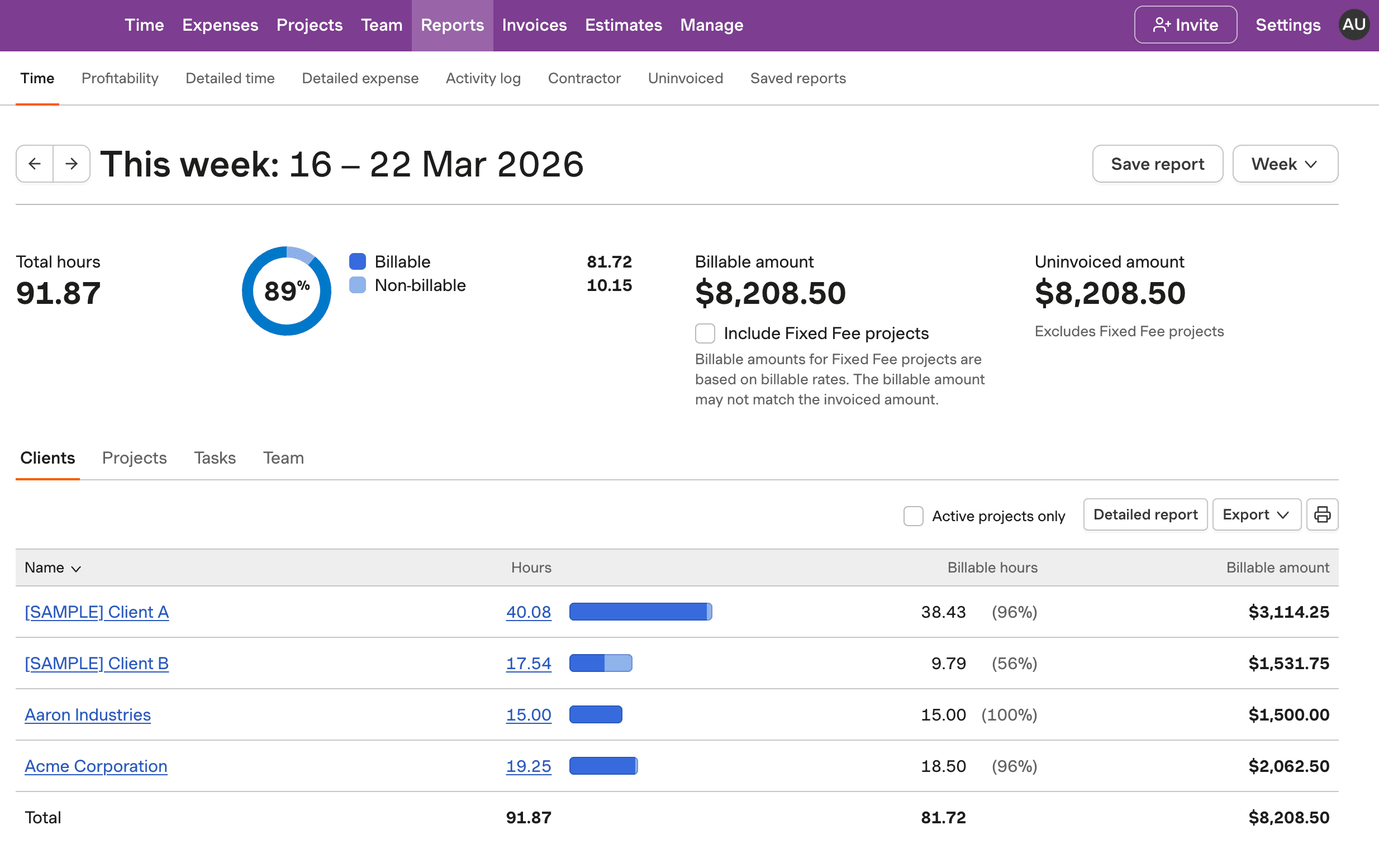
Benefits of Using a Printable Capacity Tracker

Printable capacity trackers provide numerous benefits, including increased visibility into workloads, improved accountability, and flexibility for customization. By offering a tangible means to track and manage resources, these tools help reduce stress and improve organizational efficiency. With over 90% of spreadsheets containing errors, having a clear and organized capacity tracker can significantly reduce the risk of financial losses due to planning mistakes.

Incorporating a capacity tracker into your planning process also allows for better forecasting and resource allocation, helping to prevent common issues like overstaffing and understaffing. This proactive approach to capacity planning aids in optimizing employee scheduling and meeting fluctuating demand, ultimately contributing to healthier work-life balance and improved project outcomes.

Creating and Using a Capacity Tracker Template

Building a capacity tracker template in Excel or another spreadsheet tool involves several key elements. Start by listing resource names, roles, and projects, and then include time periods, available hours, allocated hours, and utilization percentages. This structured approach allows for clear visualization of resource allocation and helps in calculating resource utilization accurately.

To use the tracker effectively, regularly update it to reflect current project demands and resource availability. This ensures that your organization can make informed decisions about hiring, training, and scheduling, thereby optimizing resource use and minimizing the risk of project delays or resource shortages.

Key Features to Look for in a Capacity Tracker

When evaluating a capacity tracker, consider features that enhance usability and practicality. Look for templates that allow easy customization to fit specific project needs, as well as fields that clearly display resource names, roles, and utilization rates. A good tracker should also facilitate accurate calculation of resource utilization, which is the percentage of total available hours being used for productive tasks.

Additionally, ensure that the template includes error-checking mechanisms to minimize the risk of inaccuracies, as over 90% of spreadsheets may contain errors. A well-designed capacity tracker should also provide clear instructions for use, enabling teams to adopt it seamlessly into their planning processes and improve overall project management effectiveness.

Streamline Resource Management with Harvest

Explore Harvest's capacity tracker template, designed to optimize resource management and project planning efficiency.

Screenshot of Harvest's printable capacity tracker template for resource management.

Printable Capacity Tracker FAQs

  • A capacity tracker is a structured document, often a spreadsheet, used to manage and monitor resource availability and workload against project demands. It helps teams plan effectively by visualizing how much work they can undertake based on available resources.

  • To use a capacity tracker template, input resource names, roles, projects, available hours, and allocated hours. Regularly update the template to reflect current demands and resource availability, ensuring accurate resource utilization calculations.

  • Key features to look for include easy customization, fields for resource names and roles, utilization rate calculations, and error-checking mechanisms. These features enhance usability and accuracy in resource management.

  • Capacity planning helps by forecasting workload and employee availability, allowing organizations to make informed decisions on hiring, training, and scheduling to avoid resource shortages or surpluses.

  • A 100% utilization rate is not recommended because it can lead to employee burnout. Aiming for 75% to 85% utilization maintains sustainable performance levels while ensuring a healthy work-life balance.

  • Harvest offers detailed reports and time tracking features that provide visibility into resource utilization, ensuring effective management across various projects.

  • Yes, Harvest provides detailed reports and time tracking capabilities ideal for resource tracking in IT project management, enhancing overall project efficiency and accountability.