
Harvest
Time Tracking
Sign up free

Printable Timesheet

Struggling with accurate time tracking? Harvest simplifies it with flexible timesheet solutions that cater to diverse formats and needs.

Try Harvest Free

How many hours did you work this week?

Enter your clock-in and clock-out times for each day. The calculator handles breaks, overtime, and weekly totals automatically.

Day Clock In Clock Out Break Hours
Total hours this week 0h
Regular hours (≤40) 0h
Overtime hours 0h
Average hours/day 0h
Total break time 0h

Track time automatically with Harvest

Walk through the entire flow below. Start a timer, check your reports, and create a real invoice — all in three clicks.

Go ahead — start tracking!

One click and you're timing. Try it right here: start a timer, add an entry, edit the details. This is exactly how it feels in Harvest.

  • One-click timer from browser, desktop & mobile
  • Works inside Jira, Asana, Trello, GitHub & 50+ tools
  • Duration or start/end — your call
  • Day, week & calendar views to stay on top of it all
  • Friendly reminders so no hour gets left behind
Acme Corp
Website Redesign
Homepage layout revisions
1:24:09
Content Strategy
Blog calendar planning
1:30:00
SEO Audit
Technical audit report
0:45:00
Brand Guidelines
Color system documentation
2:15:00
Logo Concepts
Initial sketches round 1
1:00:00

The Foundation of Fair Pay: Understanding Timesheet Essentials

Printable timesheets are vital tools for recording employee hours, ensuring accurate payroll, and maintaining legal compliance. They typically include essential data points such as employee details, dates, start and end times, breaks, regular and overtime hours, and total hours worked. In the United States, the Fair Labor Standards Act (FLSA) mandates that employers keep detailed records for non-exempt employees, including hours worked each day and total hours each workweek. These records must be kept for at least three years.

Common pay periods for timesheets are weekly, bi-weekly, semi-monthly, and monthly. In the U.S., bi-weekly pay periods are the most common, used by approximately 43% of private establishments. Each format serves different needs, with weekly timesheets often favored in industries with hourly workforces like construction and retail, where precise tracking of hours is crucial for compliance and payroll accuracy.
Navigating Legal Landscapes: Timesheet Compliance Requirements

Compliance with legal standards is non-negotiable when managing employee timesheets. In the U.S., the FLSA requires employers to retain payroll and time records for non-exempt employees for at least three years. This includes maintaining accurate records of regular and overtime hours. Similarly, in the UK, the Working Time Regulations 1998 stipulate that employers must keep records of working hours for a minimum of two years.

State-specific regulations add another layer of complexity. For instance, California mandates that records must be kept for four years and be maintained in ink or other indelible form. Non-compliance can lead to significant penalties, including fines and mandatory back pay, underscoring the importance of adhering to these regulations to avoid legal disputes and protect business reputation.

Best Practices for Accurate Time Tracking and Timesheet Management

Effective time tracking begins with establishing clear policies and providing comprehensive training for employees and managers. Ensuring accuracy in timesheet management requires simplifying the entry process, such as using features like "copy last week" or bulk entry options. It's crucial to set clear, non-negotiable deadlines for timesheet submissions and approvals, typically by the end of each workweek.

To prevent errors and ensure compliance, prohibit "off-the-clock" work and require all compensable time to be recorded. Regular audits and reviews of timesheet entries can help maintain accuracy and identify any discrepancies or common mistakes, such as improper rounding or missed break times, which can otherwise lead to compliance issues.

Beyond Payroll: The Strategic Value of Timesheet Data

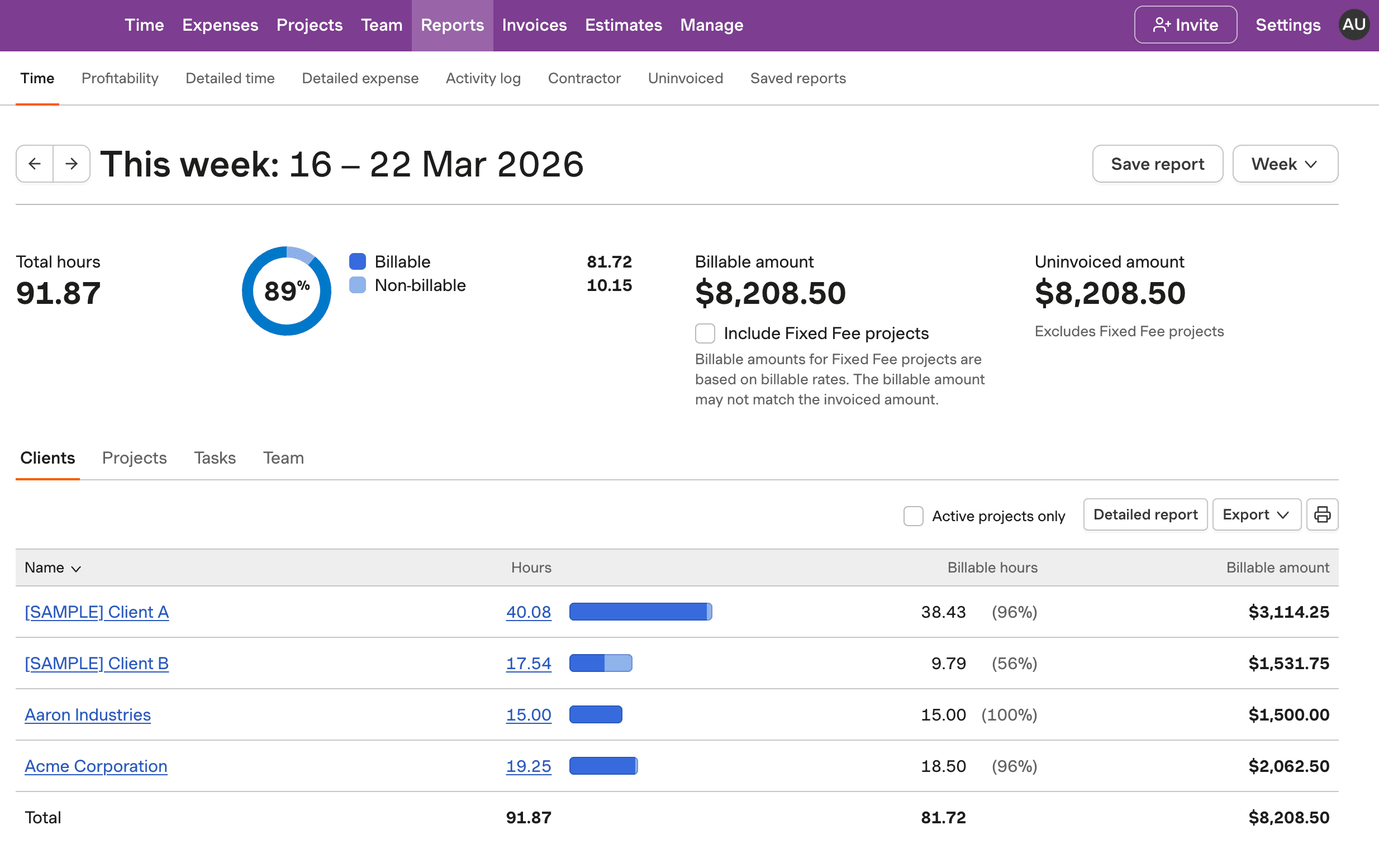
Timesheet data extends beyond payroll calculations, offering strategic insights into project costing and client billing. By tracking billable versus non-billable hours, businesses can better allocate resources and manage workforce productivity. This data also supports performance reviews and productivity analysis, aiding in informed decision-making for resource allocation.

Furthermore, maintaining detailed timesheet records protects both employers and employees in case of disputes or audits. For instance, accurate tracking of hours and adherence to legal standards can provide critical documentation needed to resolve any discrepancies or challenges concerning employee compensation or compliance with labor laws.

Customizing Printable Timesheets for Diverse Needs

Printable timesheets offer flexibility and can be customized to meet various organizational needs. Formats such as PDF and Excel are commonly used, allowing for easy downloading and printing. Customization options can include adding fields for task details, specific break times, or project-specific notes, facilitating more detailed tracking.

For instance, Harvest supports creating bi-weekly timesheets with multiple breaks through its flexible manual entry and timer features. Additionally, timesheets can be tailored for different pay periods, such as weekly or monthly, to align with organizational payroll systems, ensuring accurate tracking and compliance with timekeeping regulations.

Harvest Printable Timesheet

Discover how Harvest provides customizable timesheet templates in PDF and Excel, perfect for accurate time tracking and payroll management.

Harvest timesheet tracking in PDF and Excel formats

Printable Timesheet FAQs

  • Printable timesheets are available in various formats, including PDF and Excel. These formats are easy to download, customize, and print, making them ideal for tracking employee hours efficiently.

  • Timesheet templates can be customized by adding fields for specific needs such as task details, break times, or project notes. Using tools like Harvest, you can tailor timesheets to match your organization's requirements and ensure accurate tracking.

  • Yes, timesheet templates are available for different pay periods, including weekly, bi-weekly, semi-monthly, and monthly formats. This flexibility accommodates various payroll systems and helps ensure accurate time tracking and compliance.

  • Overtime should be clearly recorded on a timesheet by documenting the hours worked beyond the regular schedule and ensuring they are calculated according to legal requirements. Harvest allows for manual entry of overtime hours to ensure accurate tracking.

  • Harvest supports bi-weekly timesheets by allowing users to track time with breaks through its one-click timers and manual entries. This ensures detailed and accurate time management for compliance and payroll needs.

  • Yes, Harvest provides project-specific timesheets that include task details and billable hours. This feature is beneficial for tracking project costs and managing client billing accurately.

  • To ensure timesheet accuracy, establish clear timekeeping policies, provide thorough training, and use automated reminders. Regular audits and reviews can help identify and correct any discrepancies or errors.