
Harvest
Time Tracking
Sign up free

Time Card Calculator in East Africa

Harvest is the go-to time tracking and invoicing tool, especially in regions like East Africa where compliance with local labor laws is crucial. With features like one-click timers and manual time entry, Harvest ensures accurate time tracking tailored to regional needs.

Try Harvest Free

How many hours did you work this week?

Enter your clock-in and clock-out times for each day. The calculator handles breaks, overtime, and weekly totals automatically.

Day Clock In Clock Out Break Hours
Total hours this week 0h
Regular hours (≤40) 0h
Overtime hours 0h
Average hours/day 0h
Total break time 0h

Track time automatically with Harvest

Walk through the entire flow below. Start a timer, check your reports, and create a real invoice — all in three clicks.

Go ahead — start tracking!

One click and you're timing. Try it right here: start a timer, add an entry, edit the details. This is exactly how it feels in Harvest.

  • One-click timer from browser, desktop & mobile
  • Works inside Jira, Asana, Trello, GitHub & 50+ tools
  • Duration or start/end — your call
  • Day, week & calendar views to stay on top of it all
  • Friendly reminders so no hour gets left behind
Acme Corp
Website Redesign
Homepage layout revisions
1:24:09
Content Strategy
Blog calendar planning
1:30:00
SEO Audit
Technical audit report
0:45:00
Brand Guidelines
Color system documentation
2:15:00
Logo Concepts
Initial sketches round 1
1:00:00

Understanding East African Labor Laws: A Foundation for Time Tracking

East African countries like Kenya, Uganda, Tanzania, and Rwanda have distinct labor laws that dictate standard working hours and overtime regulations, crucial for effective time tracking. For instance, Kenya sets a workweek limit of 52 hours, while Uganda caps it at 48 hours. In Rwanda, recent changes have reduced the standard workweek from 45 to 40 hours. These variations necessitate adaptable time card calculators tailored to each country's regulations.

Overtime compensation also varies significantly across these nations. In Kenya, weekday overtime is compensated at 1.5 times the normal hourly rate, whereas public holiday work is paid at double (2.0x) the rate. Similarly, Uganda and Tanzania follow the 1.5x rate for weekday overtime, escalating to 2.0x for rest days or public holidays. Understanding these legal stipulations helps in choosing a time card calculator that ensures compliance and accurate wage calculations.
Overtime Compensation in East Africa: Rates and Limits

Overtime rates in East Africa are not uniform, making it essential for businesses to understand each country's specific requirements. In Kenya, overtime is capped at 60 hours over two weeks, while Uganda limits it to 10 hours weekly. These caps ensure that total working hours comply with labor laws, preventing potential legal issues.

Compensation rates for overtime are also distinct. For example, in Rwanda, normal working day overtime is compensated at 1.5 times the hourly wage, but can increase to 2.0 times on public holidays. Uganda typically offers 1.5x for ordinary days, with potential increases to 2.5x during public holidays. Such nuances highlight the need for a time card calculator that can adjust to these various rates, ensuring fair employee compensation.

Implementing a Time Card Calculator: Best Practices for Compliance

To ensure compliance with East African labor laws, implementing an effective time card calculator is crucial. The calculator should allow for customizable rules to match each country’s specific working hours and overtime regulations. For instance, Harvest offers one-click timers and manual time entry, enabling precise time tracking aligned with local labor laws.

Best practices include recording daily hours accurately, identifying and categorizing overtime, and applying the correct premium rates for weekdays, weekends, and public holidays. Additionally, maintaining meticulous records for potential audits is vital. Harvest facilitates this by integrating with payroll systems, ensuring that all statutory deductions are accounted for, thereby simplifying the payroll process.

Navigating Regional Nuances: Industry and Sector-Specific Rules

Different industries in East Africa, such as healthcare and hospitality, follow specific labor regulations that affect time tracking. For example, healthcare workers in Tanzania and Kenya often work 12-hour shifts, necessitating a time card calculator that can handle such schedules. Similarly, collective bargaining agreements may modify standard hours and overtime rates, providing more favorable terms than statutory minimums.

The complexity of minimum wage laws, particularly in Kenya and Tanzania where rates vary by sector, further complicates time tracking. A robust time card calculator like Harvest can accommodate these complexities by allowing customizable settings for different industries and sectors. This flexibility ensures accuracy in calculating wages across diverse work environments.

Time Card Calculator with Harvest

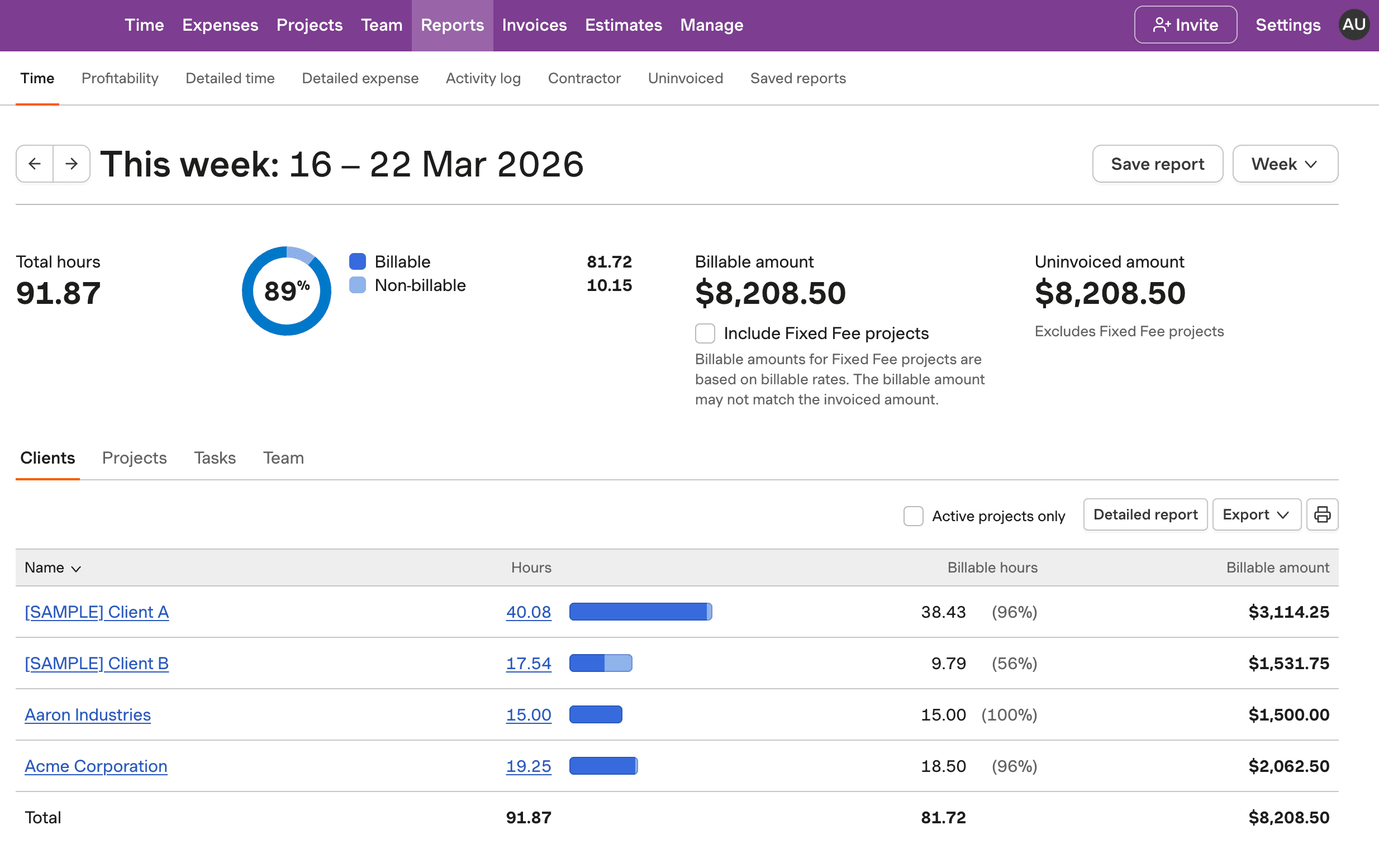
Explore how Harvest adapts to East African labor laws with customizable time tracking and compliance features.

Screenshot of Harvest time tracking tailored for East African labor laws.

Time Card Calculator in East Africa FAQs

  • For East Africa, a time card calculator should include features like one-click timers and manual time entry. Harvest offers these, ensuring compliance with regional labor laws while tracking time accurately.

  • To use a time card calculator effectively, leverage features like one-click timers and manual entries to track time accurately. Harvest simplifies this with customizable settings tailored to East African labor needs.

  • Standard working hours vary: Kenya allows up to 52 hours per week, Uganda caps at 48, Tanzania at 45, and Rwanda recently reduced to 40 hours. Adhering to these limits is crucial for compliance.

  • Yes, overtime rates differ. In Kenya, weekday overtime is 1.5x, while public holidays are 2.0x. Uganda and Tanzania follow similar patterns, with public holidays generally paid at double rates.

  • Rest periods are mandated: Kenya requires a rest day every six days, while Uganda and Tanzania mandate a 24-hour weekly rest. Meal breaks vary, typically requiring 30-60 minutes.

  • Harvest ensures compliance by providing customizable time tracking options, integrating with payroll systems to handle statutory deductions, and maintaining accurate records for audits.

  • Yes, Harvest's customizable features accommodate industry-specific needs, such as healthcare's 12-hour shifts or hospitality's rotating rosters, ensuring accurate time tracking across sectors.