
Harvest
Time Tracking
Sign up free

Break Calculator in East Africa

Harvest simplifies time tracking and earnings management, ensuring compliance with East African labor regulations by accurately logging work hours and breaks.

Try Harvest Free

How many hours did you work this week?

Enter your clock-in and clock-out times for each day. The calculator handles breaks, overtime, and weekly totals automatically.

Day Clock In Clock Out Break Hours
Total hours this week 0h
Regular hours (≤40) 0h
Overtime hours 0h
Average hours/day 0h
Total break time 0h

Track time automatically with Harvest

Walk through the entire flow below. Start a timer, check your reports, and create a real invoice — all in three clicks.

Go ahead — start tracking!

One click and you're timing. Try it right here: start a timer, add an entry, edit the details. This is exactly how it feels in Harvest.

  • One-click timer from browser, desktop & mobile
  • Works inside Jira, Asana, Trello, GitHub & 50+ tools
  • Duration or start/end — your call
  • Day, week & calendar views to stay on top of it all
  • Friendly reminders so no hour gets left behind
Acme Corp
Website Redesign
Homepage layout revisions
1:24:09
Content Strategy
Blog calendar planning
1:30:00
SEO Audit
Technical audit report
0:45:00
Brand Guidelines
Color system documentation
2:15:00
Logo Concepts
Initial sketches round 1
1:00:00

Understanding Working Hours and Break Regulations in East Africa

In East Africa, labor laws regarding working hours and breaks vary significantly across countries, reflecting unique national policies. In Kenya, for instance, standard working hours are capped at 45 hours per week, with overtime starting after these hours. Overtime compensation is typically 1.5 times the regular rate on weekdays and doubles on public holidays. In contrast, Rwanda limits the workweek to 40 hours, with overtime requiring either paid time off or premium pay. Such variances necessitate a thorough understanding of local laws to ensure compliance and fair employee compensation.

Meal breaks also differ: Kenyan workers get a 30-minute unpaid break after 5 hours, while Tanzanian employees receive an hour. The importance of these regulations lies in their role in maintaining employee health and work-life balance, making it crucial for employers to integrate them into workplace policies. Employers should also be aware of the East African Community's efforts to harmonize labor laws, although practical execution remains inconsistent.
Calculating Overtime and Break Times Accurately

Accurately calculating overtime and break times is essential for compliance with labor laws in East Africa. Overtime is generally defined as hours worked beyond the standard threshold, which in Uganda is 48 hours per week. Workers are entitled to 1.5 times their hourly rate for overtime performed on weekdays, and 2 times for work on weekends or public holidays. Similarly, in Tanzania, overtime beyond 45 hours per week must be compensated with at least 1.5 times the basic wage.

For employers, it is vital to implement a time tracking system that accounts for these statutory requirements. Harvest, for example, offers robust time tracking functionalities, allowing employers to log hours effortlessly and ensure that overtime is calculated accurately. This not only helps in maintaining legal compliance but also ensures fair compensation, thereby enhancing employee satisfaction and retention.

Managing Time Off and Leave Entitlements

Managing time off and leave entitlements is a critical component of labor compliance in East Africa. Each country has specific requirements; for instance, Kenyan employees are entitled to 21 days of paid annual leave after 12 months of service, while in Tanzania, employees receive 28 days. Additionally, maternity leave in Kenya lasts 90 days, whereas paternity leave is 14 days. Understanding these entitlements ensures that employees are granted their rightful rest periods, which is crucial for maintaining workforce morale and productivity.

Employers can streamline this process by using tools like Harvest to track leave balances and ensure that staff receive the correct entitlements. While Harvest excels in time tracking, employers must still be diligent in manually applying local leave laws to ensure full compliance. Maintaining up-to-date records and clear communication about leave policies helps in minimizing disputes and fostering a fair workplace environment.

Leveraging Time Tracking Tools for Compliance

Leveraging effective time tracking tools is essential for businesses operating in East Africa to maintain compliance with diverse labor laws. With regulations varying significantly—like Kenya's 52-hour weekly limit for day workers and Uganda's 48-hour standard—managing these differences is complex. Tools like Harvest offer comprehensive solutions by allowing employers to track hours, manage tasks, and generate detailed reports on time usage.

By integrating Harvest into daily operations, businesses can ensure they accurately log work hours and adhere to legal requirements for breaks and overtime. This not only prevents potential legal issues but also optimizes workforce management. Although Harvest does not directly calculate regional-specific labor law compliance, its flexible reporting and time-tracking capabilities provide the necessary data for employers to make informed decisions on managing hours and breaks.

Harvest Break Calculator for East Africa

Discover how Harvest helps track work hours and breaks, tailored to East African labor laws, ensuring compliance and efficiency.

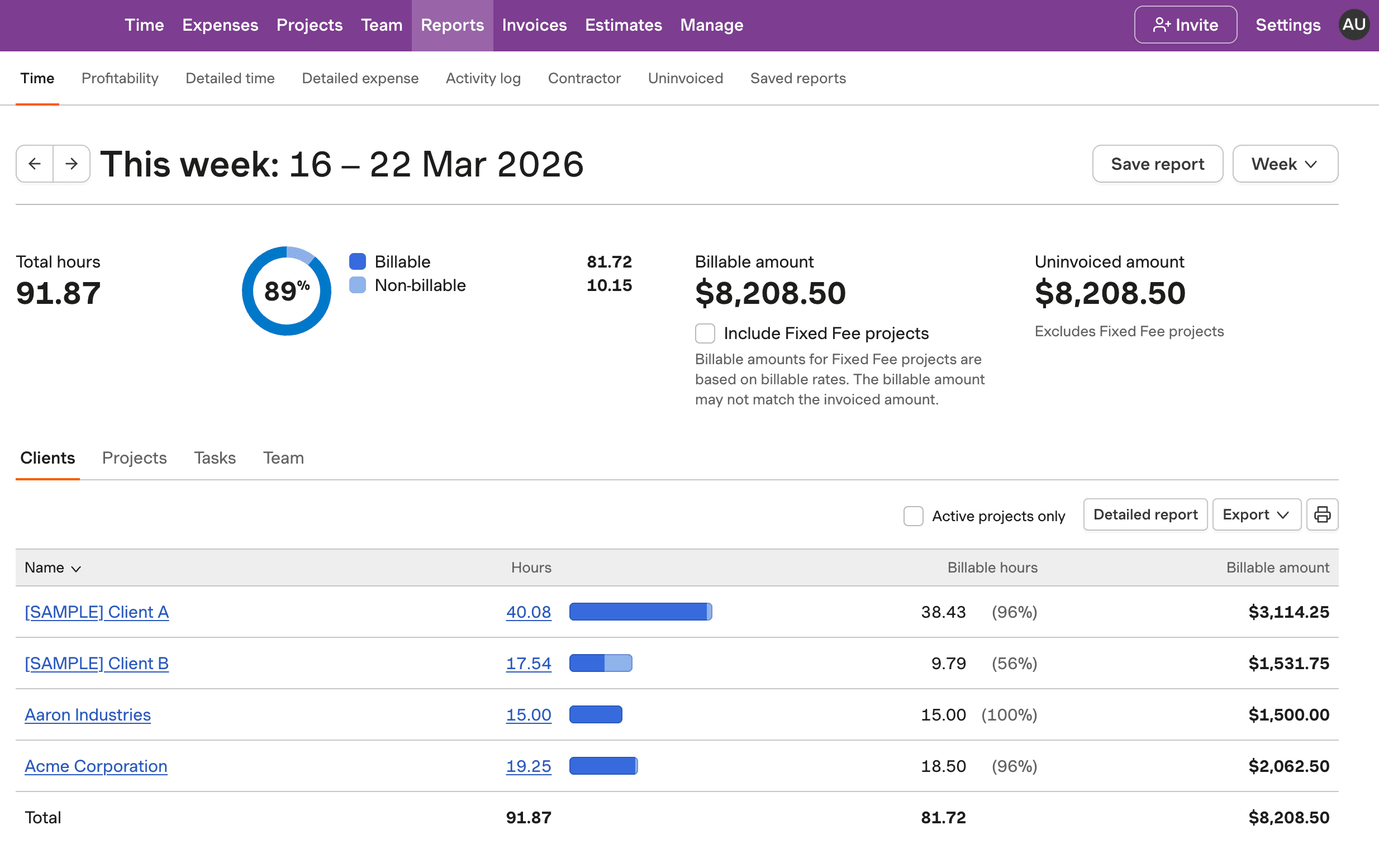
Harvest time tracking screenshot tailored for East African work hours

Break Calculator in East Africa FAQs

  • In Kenya, the standard workweek is typically 45 hours, with a maximum of 52 hours for day workers and 60 for night workers. Overtime is compensated at 1.5 times the regular rate on weekdays and 2 times on public holidays.

  • In Tanzania, overtime applies to hours worked beyond 9 per day or 45 per week. It is compensated at 1.5 times the basic wage, with a 5% premium for night work. Overtime on rest days or public holidays is paid at twice the regular rate.

  • Ugandan labor laws require a 60-minute meal break for workdays exceeding 8 hours. This break is typically unpaid. Employees must also receive at least 11 consecutive hours of daily rest.

  • Harvest offers one-click start/stop timers and manual time entry to accurately log working hours. This ensures compliance with labor laws and facilitates efficient time management.

  • While Harvest excels at tracking work hours and tasks, employers need to manually manage leave entitlements according to local laws. Harvest's detailed reporting aids in tracking accrued leave balances.

  • Rwanda's labor law sets the maximum legal working hours at 40 per week, revised from 45 in 2023. Overtime is considered any work beyond this threshold.

  • In Kenya, night work is from 10:00 PM to 6:00 AM and has a higher weekly cap of 60 hours. It requires additional compensation of at least 1.2 times the regular hourly rate if no time off is provided.