
Harvest
Time Tracking
Sign up free

Time Card Calculator in the Middle East

Facing complex labor laws in Egypt? Harvest offers a time card calculator that ensures accurate work hour calculations, compliant with local regulations.

Try Harvest Free

How many hours did you work this week?

Enter your clock-in and clock-out times for each day. The calculator handles breaks, overtime, and weekly totals automatically.

Day Clock In Clock Out Break Hours
Total hours this week 0h
Regular hours (≤40) 0h
Overtime hours 0h
Average hours/day 0h
Total break time 0h

Track time automatically with Harvest

Walk through the entire flow below. Start a timer, check your reports, and create a real invoice — all in three clicks.

Go ahead — start tracking!

One click and you're timing. Try it right here: start a timer, add an entry, edit the details. This is exactly how it feels in Harvest.

  • One-click timer from browser, desktop & mobile
  • Works inside Jira, Asana, Trello, GitHub & 50+ tools
  • Duration or start/end — your call
  • Day, week & calendar views to stay on top of it all
  • Friendly reminders so no hour gets left behind
Acme Corp
Website Redesign
Homepage layout revisions
1:24:09
Content Strategy
Blog calendar planning
1:30:00
SEO Audit
Technical audit report
0:45:00
Brand Guidelines
Color system documentation
2:15:00
Logo Concepts
Initial sketches round 1
1:00:00

Understanding Middle Eastern Labor Laws: The Foundation of Timekeeping

In the Middle East, timekeeping is heavily influenced by complex labor laws that vary across countries. The standard working week in Egypt, for instance, typically adheres to 48 hours, although some roles might observe a shorter 40-45 hour workweek. During Ramadan, working hours are reduced by two hours per day for Muslim employees, a rule that is common across the GCC, including in Egypt. This reduction is crucial for businesses to consider in their time card calculations to ensure compliance with local regulations.

Moreover, overtime compensation is an essential aspect of labor laws. For example, in the UAE, any overtime worked on a regular day is compensated at a minimum of 125% of the basic hourly wage, while work during night hours commands a minimum of 150%. Such variations necessitate a time card calculator that can automatically apply these rules, ensuring accurate payroll and compliance.
The Need for Accurate and Efficient Timekeeping

Accurate timekeeping is critical for businesses in the Middle East due to the prevalence of manual errors in attendance tracking. In Egypt, like many other GCC countries, the traditional paper-based systems are prone to inaccuracies, such as 'buddy punching,' where one employee clocks in for another. This can lead to significant discrepancies in payroll calculations, affecting both compliance and financial outcomes.

By implementing automated systems, businesses can eliminate these errors, ensuring that time is captured accurately and efficiently. Features like biometric authentication or mobile clock-ins for remote workers can help address these challenges. A reliable time card calculator should integrate these capabilities, providing real-time data visibility and ensuring compliance with local labor laws.

Calculating Overtime and Breaks with Precision

Overtime calculation in Egypt requires precision due to varying rates and conditions. During the regular working week, overtime is typically compensated at 125% of the basic hourly wage, while night shifts or work during rest days can attract up to 150%. Additionally, labor laws stipulate mandatory breaks—employees should not work more than five consecutive hours without a break, which must be at least one hour long.

To manage these complexities, a time card calculator must be configured to automatically apply these rules, ensuring employees are accurately compensated for their time. Such systems not only facilitate compliance but also enhance employee satisfaction by ensuring fair wages for extra hours worked.

Integrating Time Tracking with Payroll Systems

For businesses in the Middle East, particularly in Egypt, integrating time tracking with payroll systems is crucial for seamless operations. Manual data entry often leads to errors, affecting payroll accuracy and compliance with labor laws. An efficient time card calculator should not only track time but also seamlessly integrate with existing payroll systems to automate salary processing.

This integration minimizes errors and ensures timely and accurate salary payments, aligning with systems like the Wage Protection System (WPS) used in the UAE. It also facilitates compliance with regional requirements, such as keeping payroll records for stipulated periods, making it an indispensable tool for any business operating in the region.

Time Card Calculation with Harvest

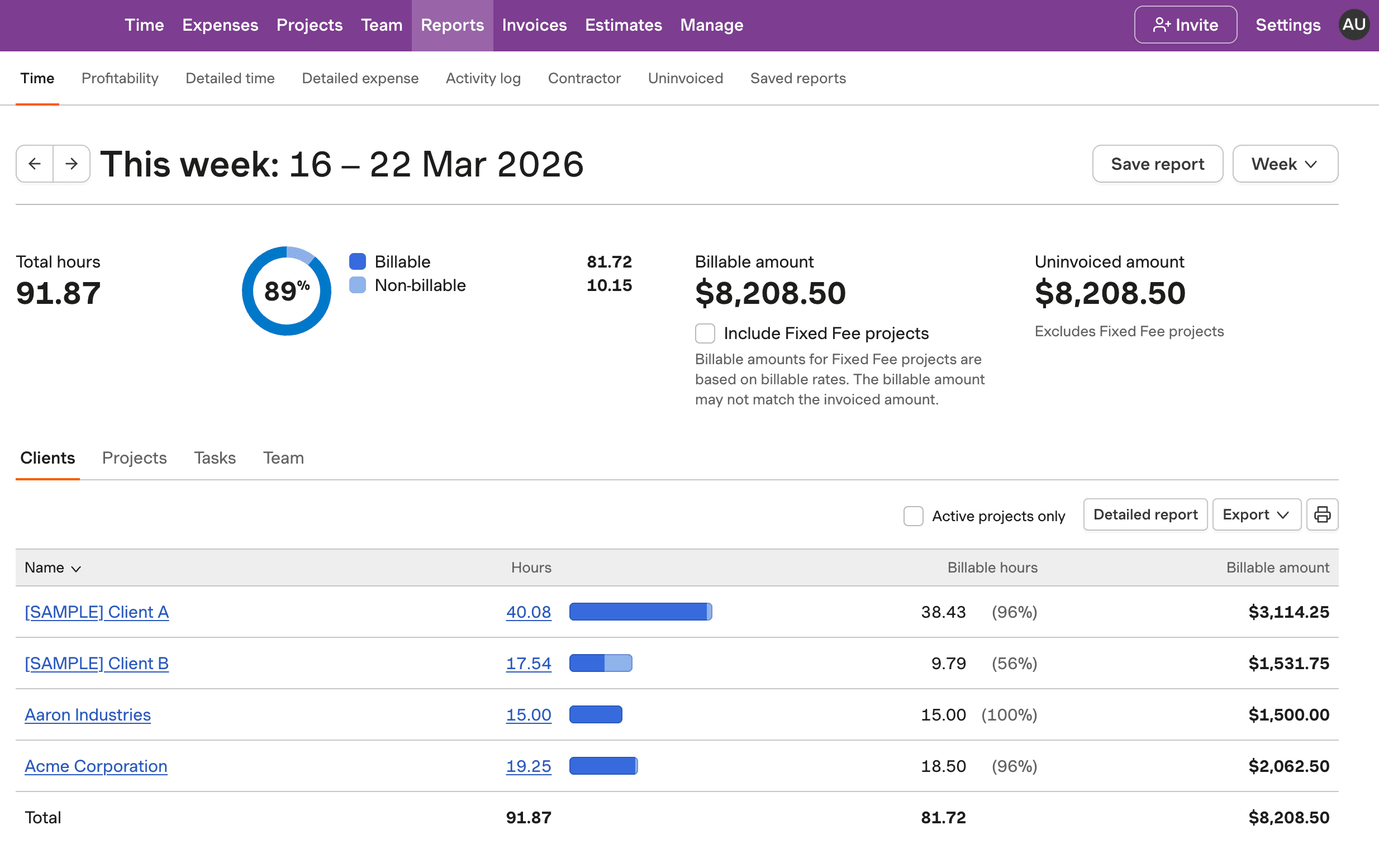
Harvest's time card calculator ensures accurate work hour tracking compliant with Egyptian labor laws, crucial for businesses in the Middle East.

Screenshot of Harvest's time card calculator interface for Middle East compliance.

Time Card Calculator in the Middle East FAQs

  • In Egypt, the standard working hours typically adhere to a 48-hour week, similar to many GCC countries. Some roles may observe a shorter workweek of 40-45 hours. During Ramadan, working hours for Muslim employees are reduced by two hours per day.

  • Overtime in Egypt is generally compensated at a minimum of 125% of the basic hourly wage for regular hours. For night shifts or work on rest days, the rate can go up to 150%, ensuring fair compensation for additional time worked.

  • Harvest's time card calculator is designed to provide accurate time tracking and can be configured to accommodate regional labor laws, ensuring compliance and efficiency in payroll calculations.

  • An automated time card calculator eliminates manual errors, prevents fraud, and ensures real-time data visibility. This leads to accurate payroll processing and compliance with local labor laws.

  • Egyptian labor laws require a break after five consecutive hours of work, not less than one hour. These breaks are not part of the working hours, and a time card calculator should accurately deduct these to ensure compliance.

  • A time card calculator for Middle Eastern businesses should include automated time capture, overtime calculation, integration with payroll systems, and compliance with local labor laws, such as Ramadan hour reductions and mandatory breaks.

  • Harvest integrates seamlessly with payroll systems, automating salary processing and reducing manual entry errors. This ensures timely and accurate payments while maintaining compliance with regional requirements.