
Harvest
Time Tracking
Sign up free

Time Card Calculator in Germany

Facing legal mandates for time tracking in Germany, Harvest offers a comprehensive solution to record working hours, ensuring compliance with labor laws.

Try Harvest Free

How many hours did you work this week?

Enter your clock-in and clock-out times for each day. The calculator handles breaks, overtime, and weekly totals automatically.

Day Clock In Clock Out Break Hours
Total hours this week 0h
Regular hours (≤40) 0h
Overtime hours 0h
Average hours/day 0h
Total break time 0h

Track time automatically with Harvest

Walk through the entire flow below. Start a timer, check your reports, and create a real invoice — all in three clicks.

Go ahead — start tracking!

One click and you're timing. Try it right here: start a timer, add an entry, edit the details. This is exactly how it feels in Harvest.

  • One-click timer from browser, desktop & mobile
  • Works inside Jira, Asana, Trello, GitHub & 50+ tools
  • Duration or start/end — your call
  • Day, week & calendar views to stay on top of it all
  • Friendly reminders so no hour gets left behind
Acme Corp
Website Redesign
Homepage layout revisions
1:24:09
Content Strategy
Blog calendar planning
1:30:00
SEO Audit
Technical audit report
0:45:00
Brand Guidelines
Color system documentation
2:15:00
Logo Concepts
Initial sketches round 1
1:00:00

The Legal Imperative: Why Time Tracking is Mandatory in Germany

Time tracking in Germany is not just a best practice—it's a legal requirement. Following the European Court of Justice's 2019 ruling and a decision by the German Federal Labour Court in 2022, all employers must record the working hours of their employees. This mandate covers the start time, end time, duration, and breaks, ensuring comprehensive documentation of each workday. Non-compliance with this requirement can lead to fines of up to EUR 30,000, making it essential for businesses to establish a reliable time tracking system.

The "Arbeitszeitgesetz," or Working Time Act, serves as the cornerstone of these regulations. Initially focused on overtime, the Act now requires tracking of all working hours. Employers can choose from various methods, including digital tools or manual records, but the system must be objective and accessible. By December 2025, electronic recording will become mandatory, highlighting the need for businesses to prepare for this transition.
Decoding German Working Hours, Breaks, and Rest Periods

In Germany, working hours are regulated to ensure employee well-being and compliance with labor laws. The standard daily work limit is 8 hours, with a maximum of 48 hours per week over a 6-day workweek. However, daily hours can extend to 10, provided the average remains at 8 hours over six months. Employers must also ensure a minimum rest period of 11 consecutive hours between workdays.

Breaks play a crucial role in this structure. For workdays spanning 6 to 9 hours, a 30-minute break is mandatory, increasing to 45 minutes for days exceeding 9 hours. Breaks can be split into segments of at least 15 minutes, and must occur after no more than 6 hours of work. Understanding and adhering to these rules is crucial for maintaining legal compliance and promoting workplace health.

Navigating Overtime and Compensation in Germany

Overtime in Germany presents unique challenges, as there is no statutory requirement for additional pay. Instead, overtime compensation is typically governed by employment contracts or collective bargaining agreements. These agreements often stipulate overtime pay at 1.5 times the regular rate or a 25% increase. Some arrangements allow for compensatory time off instead of monetary compensation.

Employers must carefully document overtime to ensure compliance and avoid disputes. While German law allows for flexibility, with overtime potentially extending weekly hours to 60, average weekly work must not exceed 48 hours over six months. By aligning with these standards, businesses can effectively manage overtime while complying with labor laws.

Implementing Compliant Time Tracking Systems: Best Practices

Establishing a compliant time tracking system is crucial for businesses operating in Germany. The system should reliably capture daily working hours, including start times, end times, and breaks. Digital tools, such as software and apps, are recommended for their reliability and ease of use, though manual records are acceptable if they meet legal standards.

Employers are ultimately responsible for ensuring accurate time tracking, even if the task is delegated to employees. It's vital to communicate procedures clearly and monitor compliance regularly. All records must be retained for at least two years. Involving works councils in system implementation can also ensure adherence to labor agreements and improve workplace relations.

Track Hours with Harvest

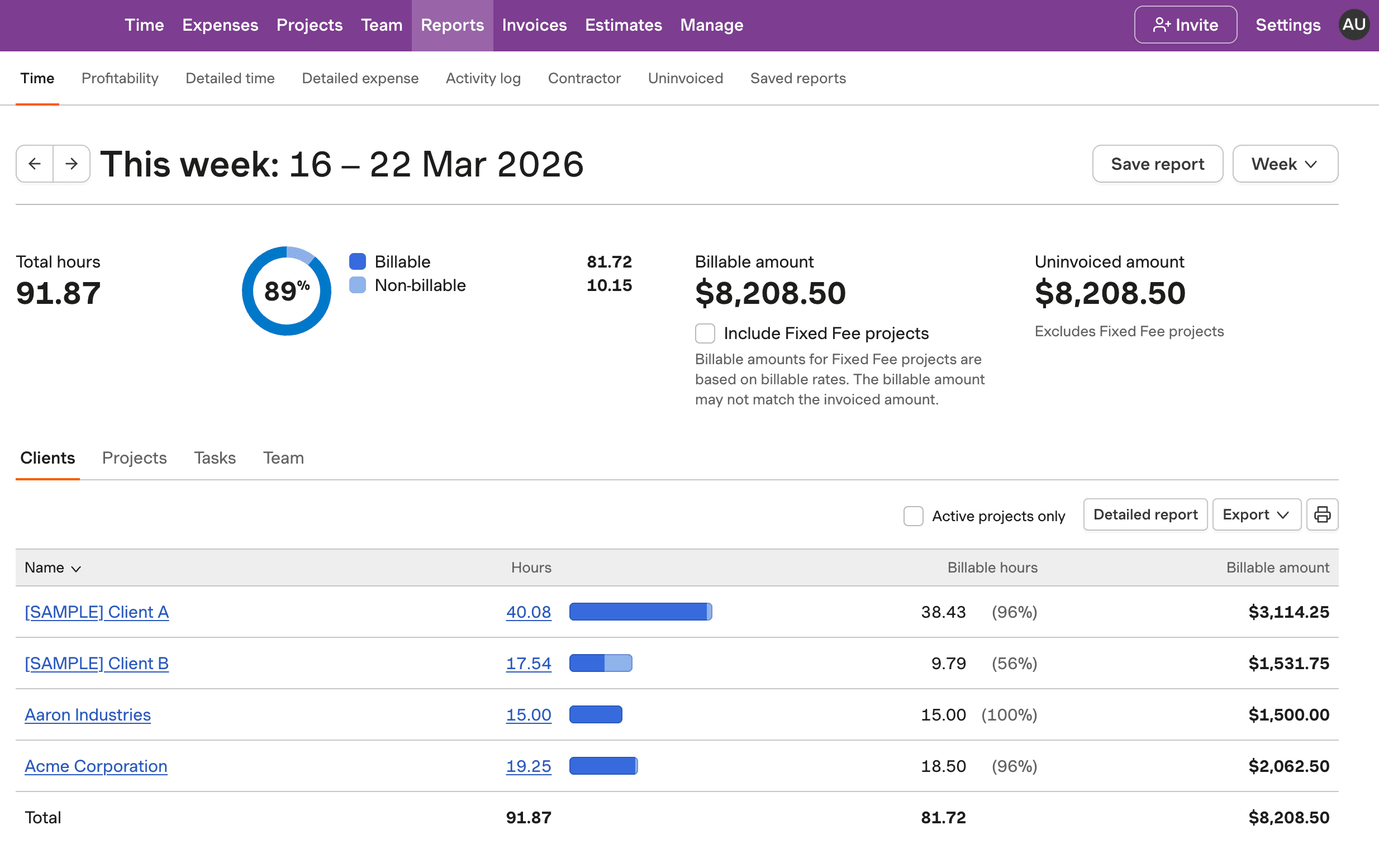
See how Harvest helps you track employee hours in Germany, ensuring compliance with labor laws. Manage start, end, breaks, and more.

Harvest time card calculator interface for Germany

Time Card Calculator in Germany FAQs

  • In Germany, employers must record all working hours, including start, end, and breaks, to comply with the "Arbeitszeitgesetz." This requirement comes from a 2019 European Court of Justice ruling and a 2022 German Federal Labour Court decision. Non-compliance can result in fines up to EUR 30,000.

  • To comply with German labor laws, use a time card calculator that records all working hours, including breaks, reliably and accessibly. Ensure the system is objective and prepare for the mandatory electronic recording by 2025. Regularly monitor and verify recorded hours.

  • Choose a time card calculator that provides reliable recording of start, end, and break times. It should offer digital solutions like software or apps for accessibility and ease of use. Integration with payroll systems can enhance accuracy and compliance.

  • Yes, German labor laws mandate a minimum 30-minute break for 6-9 hour workdays and 45 minutes for shifts over 9 hours. Overtime compensation is typically defined by contracts or agreements, often at 1.5 times the regular rate or with time off in lieu.

  • Many time card calculators, including tools like Harvest, offer integration with payroll systems. This ensures accurate transfer of recorded hours for seamless payroll processing and compliance with legal requirements.

  • Overtime in Germany is generally calculated based on employment contracts or collective bargaining agreements. It may involve additional pay, usually at 1.5 times the regular rate, or compensatory time off. It's crucial to document overtime accurately.

  • Non-compliance with time tracking laws in Germany can result in administrative fines up to EUR 30,000. Employers must ensure all working hours are recorded as per the "Arbeitszeitgesetz" to avoid such penalties.