Sign up free
Essential Features of a Timesheet Calculator for Middle Eastern Businesses
When selecting a timesheet calculator for businesses in the Middle East, understanding the local labor regulations is crucial. In the GCC countries like the UAE, Saudi Arabia, and Qatar, the standard working hours are typically 8 hours per day and 48 hours per week. During Ramadan, these hours are reduced to 6 hours per day for Muslim employees and often for all staff. A robust timesheet calculator should accommodate these variations to ensure compliance.
Additionally, overtime calculations are vital. For instance, normal overtime in Saudi Arabia is compensated at 150% of the regular hourly wage, a rate that increases for work performed at night or on public holidays. A timesheet calculator must integrate these rates to automate accurate payroll calculations. Furthermore, maximum overtime limits, such as the UAE's restriction of 2 hours per day, should be factored into the tool's design to prevent labor violations.
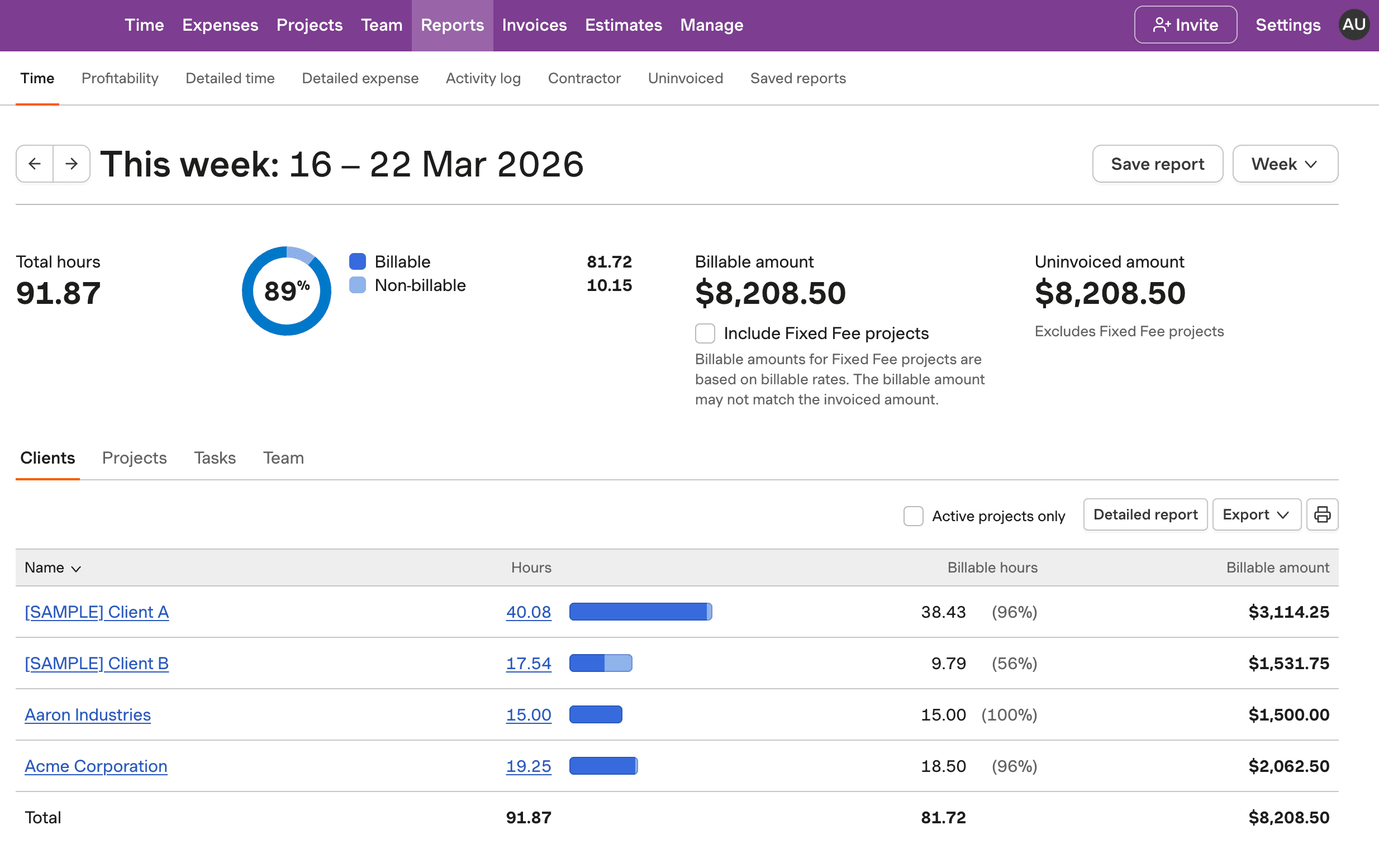
Harvest, while focused on project-based time tracking, provides features that can be tailored to these specific needs through customizable settings for overtime and working hours. This flexibility ensures that organizations remain compliant with local labor laws while optimizing their time management practices.