
Harvest
Time Tracking
Sign up free

Utilization Report Word

Harvest simplifies time tracking and invoicing, helping teams avoid up to 20% revenue loss due to inefficient resource utilization.

Try Harvest Free

How much revenue is your team leaving on the table?

Most agencies run at 55-60% utilization. Even a small improvement means significant revenue. See what closing the gap looks like for your team.

Number of people who track billable time
$
Blended rate across roles (junior, senior, lead)
55%
Percentage of total hours that are billable. Industry average is 55-60%.
75%
A realistic target for service businesses is 70-80%.
Monthly revenue gap $0
Revenue at current utilization $0/mo
Revenue at target utilization $0/mo
Extra billable hours needed per person/day 0h
Annual revenue opportunity $0

Start tracking team utilization

Walk through the entire flow below. Start a timer, check your reports, and create a real invoice — all in three clicks.

Go ahead — start tracking!

One click and you're timing. Try it right here: start a timer, add an entry, edit the details. This is exactly how it feels in Harvest.

  • One-click timer from browser, desktop & mobile
  • Works inside Jira, Asana, Trello, GitHub & 50+ tools
  • Duration or start/end — your call
  • Day, week & calendar views to stay on top of it all
  • Friendly reminders so no hour gets left behind
Acme Corp
Website Redesign
Homepage layout revisions
1:24:09
Content Strategy
Blog calendar planning
1:30:00
SEO Audit
Technical audit report
0:45:00
Brand Guidelines
Color system documentation
2:15:00
Logo Concepts
Initial sketches round 1
1:00:00

Understanding Utilization Reports: The Foundation of Resource Efficiency

A utilization report is an essential tool for organizations aiming to optimize their resource allocation and enhance productivity. It tracks how effectively resources such as staff time, equipment, and office space are utilized over a specific period. By identifying instances of under- or overutilization, these reports help rebalance workloads, improve project delivery, and ultimately drive higher revenue. For example, a billable utilization rate—calculated as (Billable Hours / Total Available Hours) x 100%—reveals the percentage of time spent on revenue-generating activities, ideally between 70% and 80%.

In professional services like consulting and law firms, where revenue is directly tied to billable hours, maintaining a high utilization rate is crucial. A team member billing 34 hours out of 40 available hours achieves an 85% utilization rate, demonstrating efficient resource use. Conversely, exceeding 100% utilization, while theoretically possible, can lead to employee burnout and is generally unsustainable. Organizations should aim for a total utilization rate close to 100%, balancing both productive and necessary non-productive work.
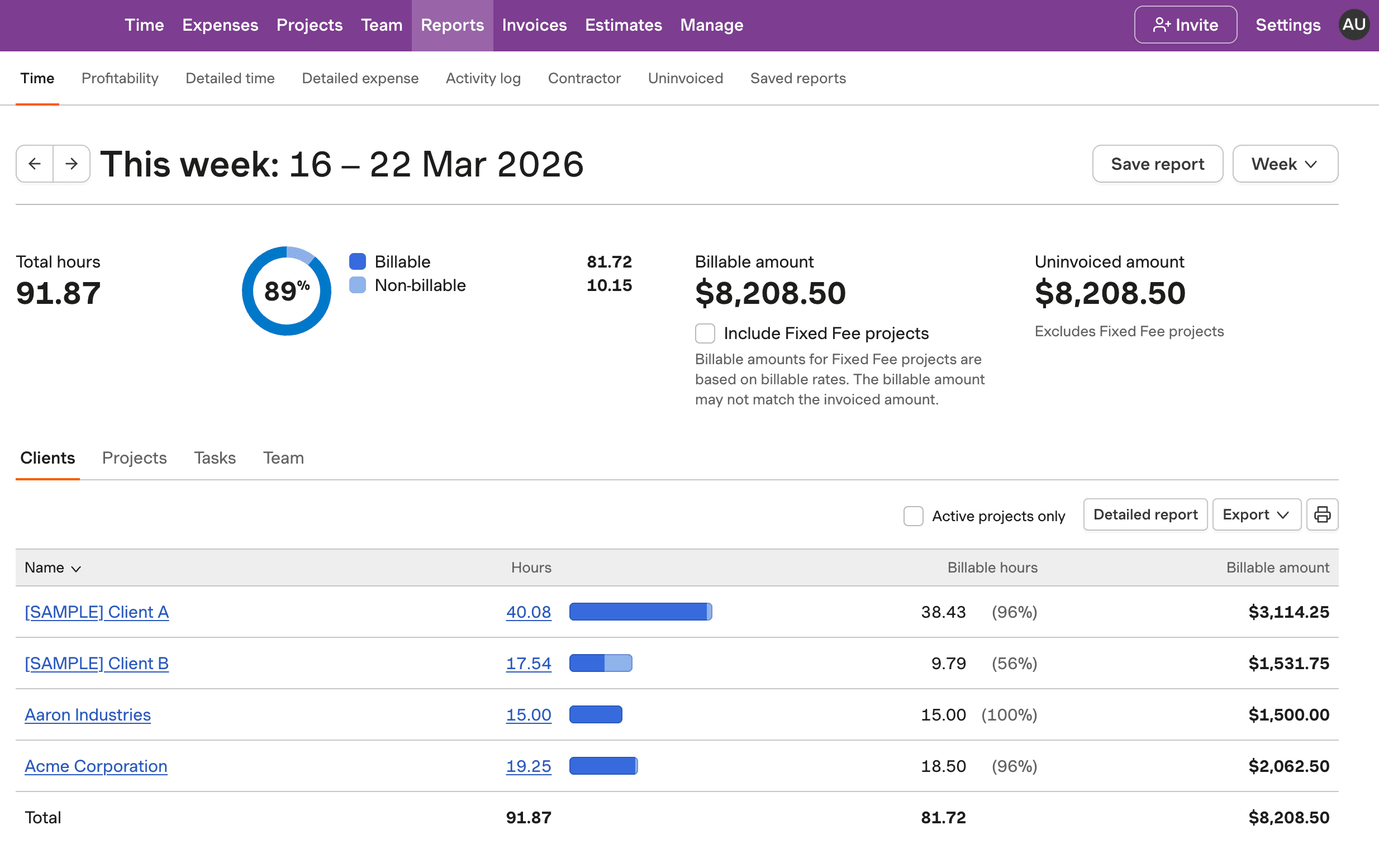
Creating Effective Utilization Reports in Word

Creating a utilization report in Microsoft Word provides flexibility and ease of customization. Start by establishing clear work schedules and categorizing tasks into billable and non-billable activities. A typical report includes sections for project details (name, code, client, start/end dates), allocated versus actual hours, and a breakdown of billable and non-billable work. Utilize Word’s features to format your report, adding tables and charts for better visualization of data.

Ensure your report captures key metrics such as the Billable Utilization Rate and the Resource Utilization Rate. These metrics help track performance, identify bottlenecks, and optimize resource allocation. For instance, a consultant working 30 billable hours out of a 40-hour week would have a 75% utilization rate, which is within the ideal range for service-based industries. Regularly updating and reviewing these reports can support strategic decision-making and enhance operational efficiency.

Customizing Utilization Reports for Your Needs

Customizing a utilization report in Word allows you to tailor the document to meet specific organizational needs. Begin by identifying the key metrics that align with your goals, such as billable versus non-billable utilization rates. Standardizing data entry ensures consistency across all reports, providing a reliable basis for analysis. Use filters and tags to segment data by department, team, or project, offering granular insights that inform resource allocation decisions.

Incorporate visual elements like charts and graphs to present data clearly, making it easier for stakeholders to interpret findings. Providing context and actionable recommendations within the report can drive improvements in resource efficiency and project delivery. For example, if a law firm’s report shows a 31% utilization rate with 2.5 billable hours in an eight-hour workday, recommendations might include strategies to increase client engagements or redistribute tasks to boost productivity.

Analyzing and Acting on Utilization Data

Analyzing utilization data is crucial for optimizing resource allocation and enhancing productivity. Regular examination of utilization rates can reveal patterns of underutilization or overwork, guiding adjustments in staffing and task assignments. For instance, if a technician’s report shows an 81.25% utilization rate (6.5 productive hours out of 8 available), this indicates effective use of time but also highlights potential areas for productivity gains.

Utilization reports should not only present data but also provide insights and actionable recommendations. For example, if a report indicates an excessive non-billable workload, reallocating resources or altering project strategies may be necessary. By integrating these insights into strategic planning, organizations can ensure optimal resource use and improve overall project profitability. Regularly updating and reviewing these reports helps maintain data accuracy and supports timely decision-making.

Utilization Reports with Harvest

See how Harvest helps you create and customize utilization reports in Word, optimizing resource allocation for higher profitability.

Screenshot of Harvest utilization report in Word format.

Utilization Report Word FAQs

  • A utilization report tracks how effectively resources, such as staff time or equipment, are used within an organization. It is crucial for identifying under- or overutilization, improving resource allocation, and enhancing productivity and profitability.

  • The utilization rate is calculated by dividing the hours spent on a task by the total available hours, then multiplying by 100%. For example, if a team member bills 34 hours out of 40 available, the utilization rate is 85%.

  • A good billable utilization rate typically ranges between 70% and 80%, while the total utilization rate should aim to be as close to 100% as possible, balancing productive and non-productive work.

  • Utilization reports provide insights into resource use, helping organizations identify underutilized capacity or overworked teams. This information allows for better resource allocation, optimizing productivity.

  • Key metrics in a utilization report include the Billable Utilization Rate and the Total Utilization Rate. These metrics help track performance and inform resource allocation strategies.

  • Harvest tracks billable and non-billable hours with flexible rates for each project and person, allowing for detailed analysis and optimized project management.

  • Yes, Harvest allows you to customize utilization reports by filtering data by department, team, or project. This provides granular insights that help shape resource allocation strategies.