
Harvest
Time Tracking
Sign up free

Utilization Tracking Template

Harvest is the ultimate solution for teams and freelancers looking to optimize resource utilization with detailed time and project tracking capabilities.

Try Harvest Free

How much revenue is your team leaving on the table?

Most agencies run at 55-60% utilization. Even a small improvement means significant revenue. See what closing the gap looks like for your team.

Number of people who track billable time
$
Blended rate across roles (junior, senior, lead)
55%
Percentage of total hours that are billable. Industry average is 55-60%.
75%
A realistic target for service businesses is 70-80%.
Monthly revenue gap $0
Revenue at current utilization $0/mo
Revenue at target utilization $0/mo
Extra billable hours needed per person/day 0h
Annual revenue opportunity $0

Start tracking team utilization

Walk through the entire flow below. Start a timer, check your reports, and create a real invoice — all in three clicks.

Go ahead — start tracking!

One click and you're timing. Try it right here: start a timer, add an entry, edit the details. This is exactly how it feels in Harvest.

  • One-click timer from browser, desktop & mobile
  • Works inside Jira, Asana, Trello, GitHub & 50+ tools
  • Duration or start/end — your call
  • Day, week & calendar views to stay on top of it all
  • Friendly reminders so no hour gets left behind
Acme Corp
Website Redesign
Homepage layout revisions
1:24:09
Content Strategy
Blog calendar planning
1:30:00
SEO Audit
Technical audit report
0:45:00
Brand Guidelines
Color system documentation
2:15:00
Logo Concepts
Initial sketches round 1
1:00:00

Understanding Utilization Tracking

Utilization tracking is a crucial process for organizations aiming to maximize their resource efficiency and profitability. The utilization rate, a key performance indicator, measures the percentage of available time that is spent on productive or billable work. This metric is essential for assessing employee productivity and workload balance. For instance, if a team member bills 34 hours in a 40-hour workweek, their utilization rate is 85% ((34/40) x 100). Understanding this rate helps businesses optimize resource deployment and identify areas for improvement.

Typically, available hours exclude non-working days such as holidays, sick leave, and vacation time. With a standard 40-hour workweek over 52 weeks, employees have about 2,080 total hours annually. After accounting for 200-240 hours of paid time off, the available hours per employee are approximately 1,840-1,880 annually. A utilization rate between 70-90% is generally considered good, with an optimal average rate around 80-85% for most industries.
Features of an Effective Utilization Tracking Template

An effective utilization tracking template must include key features that provide clear insights into team productivity and project efficiency. At its core, the template should calculate the utilization rate by dividing billable hours by total available hours, then multiply by 100 to express it as a percentage. This calculation helps in understanding the extent to which resources are being effectively utilized.

Additionally, the template should allow for customization to suit specific business needs. For example, it should accommodate different definitions of available hours based on company policy regarding vacation and sick leave. It should also be adaptable to both Excel and Google Sheets, allowing flexibility in data entry and formula use. Harvest's detailed reports offer insights into project-specific efforts and align team capacity with project timelines, enhancing the utility of any utilization tracking template.

Customizing Your Utilization Tracking Template

Customizing a utilization tracking template to fit your specific business needs can enhance its effectiveness. Start by defining the available hours for your team, which typically exclude time off for vacations, holidays, and sick leave. Tailor these definitions based on your organizational policies to ensure accurate tracking. For example, if your company offers 15 days of paid leave, adjust the available hours accordingly.

Next, ensure the template can seamlessly integrate with your existing tools, such as Excel or Google Sheets, for easy data management and sharing. Incorporating features that track both billable and non-billable hours will provide a comprehensive view of resource use. Harvest's capabilities in tracking these metrics can complement your template, offering detailed insights into team utilization and aiding effective project management.

Optimizing Resource Utilization with Harvest

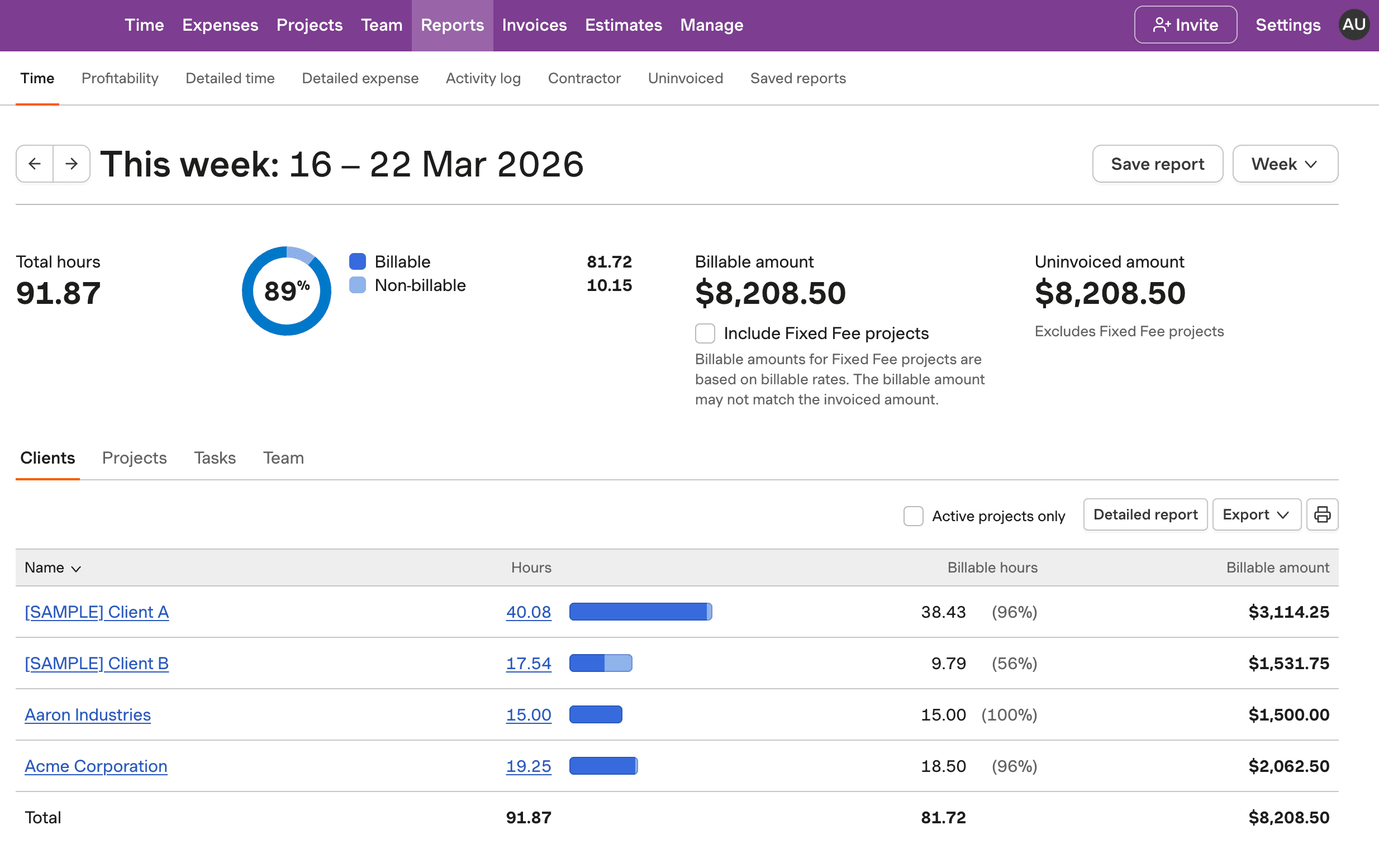
Optimizing resource utilization is critical for maintaining productivity and profitability. Harvest excels in this area by offering robust tools for tracking both billable and non-billable hours. This dual tracking capability allows businesses to manage projects efficiently and ensure team capacity aligns with project timelines. Detailed reports provided by Harvest help in monitoring project-specific efforts, which is crucial for optimizing resource deployment.

Harvest also provides availability summaries that assist in managing workloads effectively. This feature ensures that team members are neither overburdened nor underutilized, thus maintaining a healthy utilization rate. By integrating Harvest's utilization tracking capabilities with your template, you can achieve a more accurate and comprehensive understanding of your team’s productivity and resource allocation.

Utilization Tracking with Harvest

Explore how Harvest helps manage resource utilization with detailed tracking of billable and non-billable hours.

Harvest's utilization tracking capabilities for effective resource management.

Utilization Tracking Template FAQs

  • A utilization tracking template should include features for calculating utilization rates, such as dividing billable hours by available hours. It should also be customizable to fit specific business needs and integrate with tools like Excel or Google Sheets.

  • Customize your template by defining available hours based on company policies for time off. Ensure it integrates with tools like Excel or Google Sheets, and includes both billable and non-billable hour tracking for a comprehensive view.

  • Calculate the utilization rate by dividing the total billable hours by the total available hours, and then multiply by 100 to express it as a percentage. For example, 34 billable hours in a 40-hour week equals an 85% utilization rate.

  • The ideal utilization rate generally ranges from 70-90%, depending on the industry. An optimal average rate is around 80-85%, balancing productivity with workload management.

  • Yes, utilization tracking templates can be used in Google Sheets. They offer flexibility in data entry and formula adjustments, making them a versatile tool for resource tracking.

  • Harvest helps by tracking both billable and non-billable hours, providing detailed reports for managing project and team utilization. It offers tools for aligning team capacity with project timelines and managing workloads effectively.

  • Tracking both billable and non-billable hours provides a comprehensive view of resource use, helping to optimize project management and improve profitability. It ensures that all work is accounted for, enhancing overall productivity.