
Harvest
Expenses
Sign up

Billable Expense Tracker in Japanese

Harvest offers customizable expense tracking tailored to Japanese business needs, enhancing productivity and ensuring compliance with local regulations.

EXPENSE REPORT DRAFT

Drop your receipts here or click to upload

Images and PDFs (max 10 MB each)

Date
Category
Merchant
Description
Amount
Total
$0.00

Customise report

Appearance

Show report title

Report settings

Navigating Expense Management in Japan

Managing expenses in Japan involves unique challenges due to regulatory requirements and cultural practices. The Electronic Bookkeeping Act (電子帳簿保存法) and the Invoice System (インボイス制度) have significantly impacted how expenses are processed. Companies must retain qualified invoices for up to 10 years, and failure to comply can result in additional taxes. Despite these regulations, many Japanese companies still use paper-based methods, with a 2022 survey indicating that 46.2% rely on paper or Excel for expense processing.

To address these challenges, businesses are increasingly adopting digital solutions. For instance, some companies have reduced expense processing times by up to 83% through the use of cloud-based systems. This shift not only aligns with legal compliance but also significantly boosts productivity. Harvest offers a customizable expense tracking solution that allows businesses to create categories for common Japanese expenses, such as transportation and dining, helping to streamline operations while maintaining compliance.
Overcoming Common Expense Challenges

Expense management in Japan often involves overcoming specific challenges such as manual input errors and approval delays. Commonly, errors occur due to incorrect amounts or missing dates, which increase the workload for both applicants and accounting departments. Furthermore, approval delays are frequent, especially when managers are unavailable.

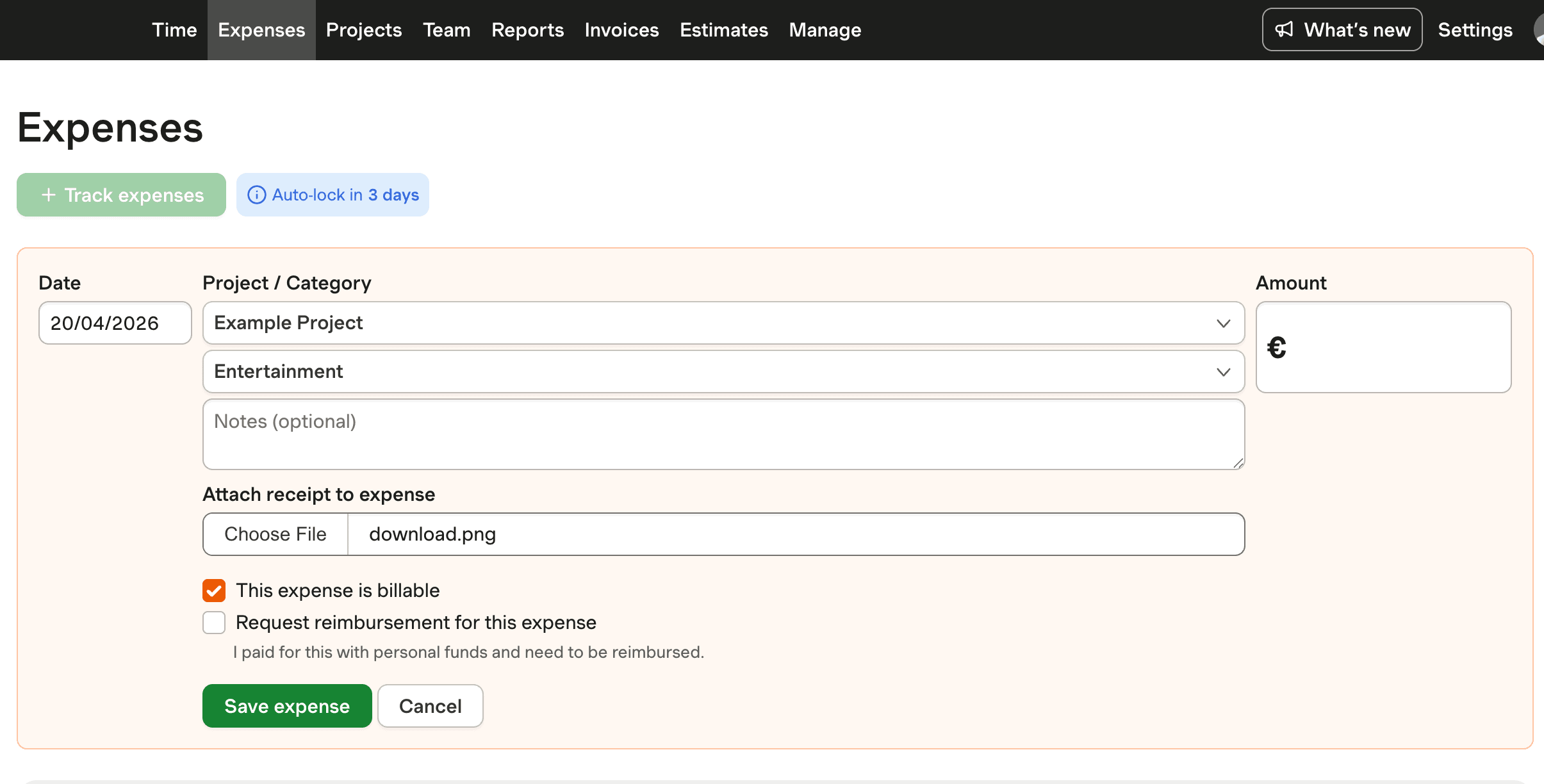
Harvest addresses these issues by allowing administrators to set up custom expense categories, thus reducing manual entry errors and streamlining the approval process. While Harvest does not integrate directly with Japanese banking systems, its project-based tracking and invoicing capabilities allow for efficient management of expenses within a business context. This ensures that companies can maintain accurate records and expedite approvals even without direct bank integration.

Leveraging Digital Tools for Efficiency

Embracing digital tools for expense tracking can lead to substantial efficiency gains. The shift from manual to digital systems can reduce processing times by up to 83%, according to industry estimates. This transition is crucial for Japanese companies looking to enhance productivity and comply with stringent regulations.

Harvest provides a solution with customizable categories, allowing businesses to tailor their expense tracking to include common Japanese expenses like transportation and dining. By integrating with existing business processes, Harvest helps prevent duplicate data entry and reduces manual errors. This digital approach not only simplifies expense management but also ensures compliance with regulatory requirements by providing organized and easily retrievable electronic records.

Implementing an Effective Expense Tracking System

Implementing an effective expense tracking system involves several key steps. Initially, companies must identify current challenges and select a suitable system that meets their needs. It's crucial to define clear operational workflows and configure the system accordingly.

Harvest supports this process by providing customizable expense categories that can be tailored to reflect unique business requirements in Japan. Regular system reviews and employee feedback are essential to ensure the system remains user-friendly and effective. Although Harvest does not support specific Japanese tax regulations, it enables businesses to maintain organized records, facilitating compliance and simplifying audits.

Harvest: Billable Expense Tracking in Japanese

Explore how Harvest enables efficient expense tracking for Japanese businesses, with customizable categories and streamlined workflows.

Harvest dashboard showing billable expense tracker features in Japanese context.

Billable Expense Tracker in Japanese FAQs

  • Many companies in Japan manage billable expenses using a mix of digital and manual systems. While paper-based methods are still common, digital solutions are gaining traction due to their efficiency and compliance benefits. Systems that offer customizable categories, like those provided by Harvest, help tailor expense management to specific business needs.

  • In Japan, the Electronic Bookkeeping Act mandates the electronic storage of receipts and related documents for tax compliance. Businesses must retain these documents for up to 10 years depending on their structure and tax obligations. Solutions like Harvest can facilitate organized digital record-keeping, aligning with these regulations.

  • Digital expense tracking is becoming popular in Japan due to its ability to streamline processes and ensure compliance with legal requirements. The shift reduces processing times significantly and helps avoid common issues like input errors and approval delays. Harvest's customizable tracking solutions support this digital transition effectively.

  • While Harvest does not specifically support Japanese tax compliance, it allows for organized expense tracking through customizable categories. This feature helps businesses maintain accurate records, which is crucial for complying with tax regulations.

  • Key features to look for include customizable categories for common expenses, integration capabilities with existing business systems, and digital storage for compliance with the Electronic Bookkeeping Act. Harvest offers these solutions, helping businesses tailor their expense tracking to Japanese market needs.

  • Companies can reduce expense processing time by adopting digital solutions that automate data entry and streamline approval workflows. Harvest offers project-based tracking and customizable categories, which aid in reducing manual errors and speeding up the entire process.

  • Harvest does not integrate with Japanese banking systems. However, it provides efficient project-based tracking and invoicing capabilities, allowing businesses to manage expenses effectively without direct bank integration.