
Harvest
Expenses
Sign up

Mileage Tracker in Japanese

Harvest simplifies mileage tracking for Japanese businesses with customizable expense categories and manual entry, ensuring compliance with local regulations.

  • Attach receipts to projects & tasks
  • Turn tracked expenses into client invoices
  • Free 30-day trial, no credit card needed

or drag & drop • Images and PDFs, max 10 MB

Challenges of Mileage Tracking in Japan

Accurate mileage tracking in Japan is essential for businesses to comply with local tax regulations and optimize operational efficiency. Companies are legally required to maintain driving logs, with the average annual driving distance for private cars in Japan ranging from 6,000 to 10,000 km. This need for precise record-keeping is underscored by the fact that inaccurate mileage reporting can lead to over-reporting of expenses, affecting tax compliance and financial accountability.

Moreover, Japanese companies face unique challenges such as the "2024 problem," which involves labor shortages and stricter regulations on truck driver working hours. Implementing effective mileage tracking systems helps businesses mitigate these issues by improving route optimization and reducing unnecessary mileage. Harvest addresses these needs by allowing manual entry of mileage quantities, providing a simple yet customizable solution for small businesses operating within Japan.
Customizable Mileage Tracking with Harvest

Harvest offers a flexible mileage tracking system that caters to the specific needs of Japanese businesses. While it does not provide GPS tracking, it allows users to manually enter mileage quantities and apply a per-mile rate, which is ideal for companies seeking a straightforward approach to expense management. This feature is particularly beneficial for industries where precise location tracking is less critical.

Administrators can create custom expense categories tailored to local business practices, ensuring that all expenses are accurately categorized and easily tracked. This customization supports businesses in maintaining compliance with Japanese tax regulations by aligning expense reporting with local requirements. By leveraging Harvest's manual entry capabilities, companies can ensure accurate and compliant mileage tracking without the need for complex systems.

Integrating Harvest for Efficient Expense Management

Effective expense management is crucial for Japanese businesses aiming to streamline operations and reduce costs. Harvest supports integration with QuickBooks Online and Xero, facilitating efficient invoicing and financial management. However, its lack of direct integration with Japanese accounting software means that businesses must manage tax rates manually. Despite this, Harvest’s multi-currency support, including Japanese Yen, makes it a versatile tool for handling international transactions and expenses.

Harvest’s ability to create detailed expense reports helps businesses easily track and analyze their expenditure patterns. This functionality is essential for companies looking to optimize their financial processes and ensure legal compliance. By using Harvest, businesses can reduce administrative burdens and focus on core operations, driving overall efficiency and cost savings.

Overcoming Language Barriers with Harvest

For many Japanese businesses, language accessibility can be a concern when adopting new software solutions. While Harvest's user interface is only available in English, it offers the flexibility to input category names and notes in Japanese, allowing users to tailor the system to their language preferences. This feature enables companies to maintain consistency and clarity in their internal processes without language hindrance.

Additionally, by providing support for multiple currencies, including the Japanese Yen, Harvest ensures that businesses can manage expenses in their local currency, simplifying financial reporting and reducing conversion errors. This adaptability is crucial for companies looking to balance global operations with local practices, making Harvest a viable option for Japanese businesses seeking comprehensive mileage and expense management solutions.

Mileage Tracking with Harvest

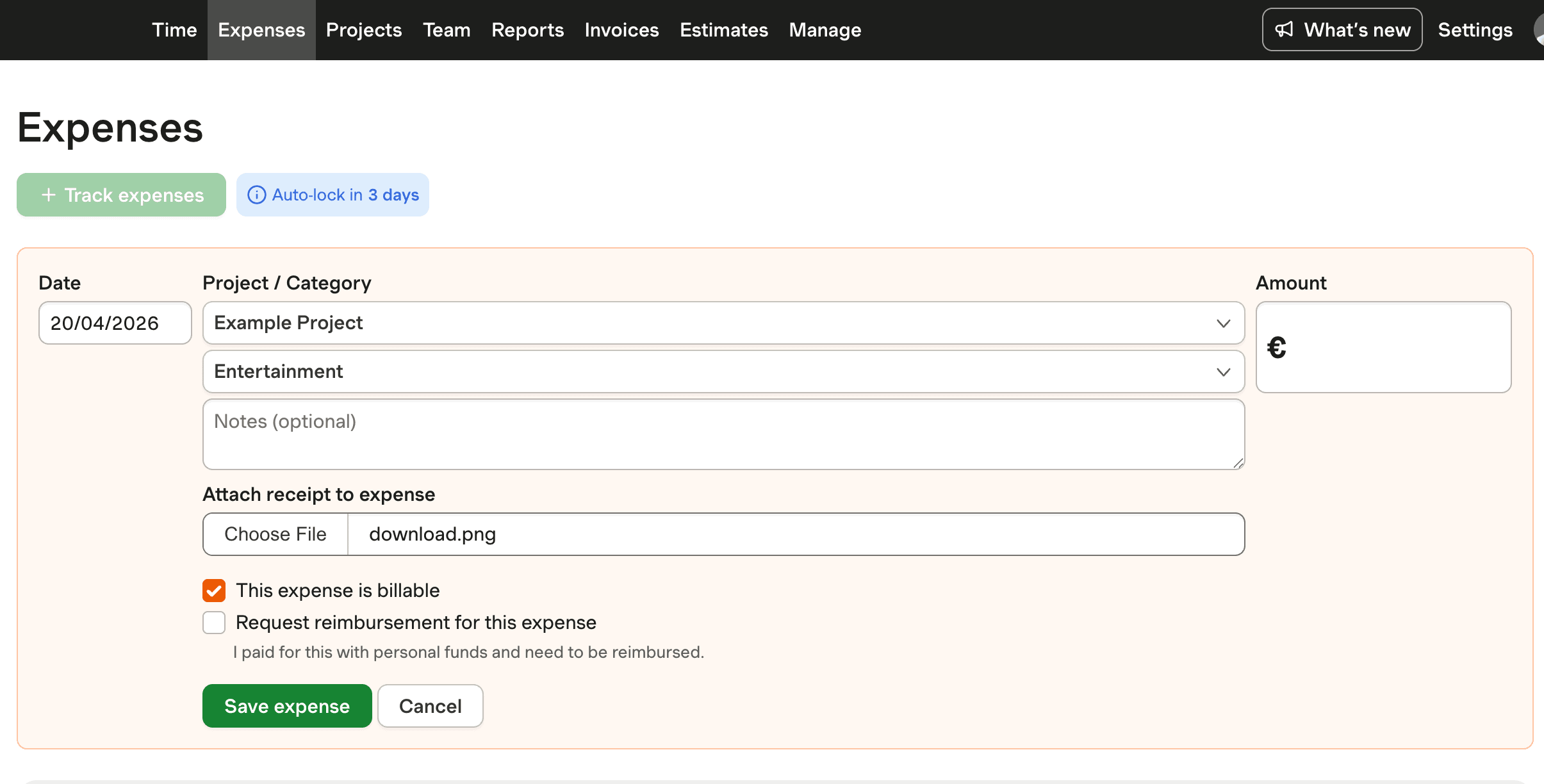
Harvest enables Japanese businesses to track mileage manually with customizable categories, ensuring compliance and efficiency.

Screenshot of Harvest's mileage tracking feature tailored for Japanese users.

Mileage Tracker in Japanese FAQs

  • The average annual driving distance for private cars in Japan ranges from 6,000 to 10,000 km. This distance has increased slightly from 6,017 km in 2020 to 6,972 km in 2024.

  • Mileage tracking helps Japanese businesses comply with local tax regulations, optimize routes, reduce unnecessary mileage, and accurately report expenses, enhancing operational efficiency.

  • Harvest does not directly integrate with Japanese accounting software but supports integration with QuickBooks Online and Xero for invoice management. Tax rates must be managed manually.

  • Yes, Harvest supports multi-currency functionality, including Japanese Yen, allowing businesses to manage expenses in their local currency effectively.

  • Compliance with driving log regulations is crucial in Japan to avoid legal penalties and ensure accurate tax reporting, especially for businesses using commercial vehicles.

  • While Harvest's interface is in English, users can input category names and notes in Japanese, allowing for customization that suits language preferences.

  • Manual mileage tracking can lead to inaccuracies and increased administrative burden, but tools like Harvest simplify this process through customizable entry options and automated calculations.

  • These systems automate driving logs and monitor behavior, reducing accidents and enhancing safety. For example, telematics technology can improve driving patterns, decreasing accident rates by 5-10%.