
Harvest
Expenses
Sign up

Expense Management Software in Japanese

Harvest offers project-based expense tracking, ideal for small to medium-sized businesses, despite lacking Japanese localization.

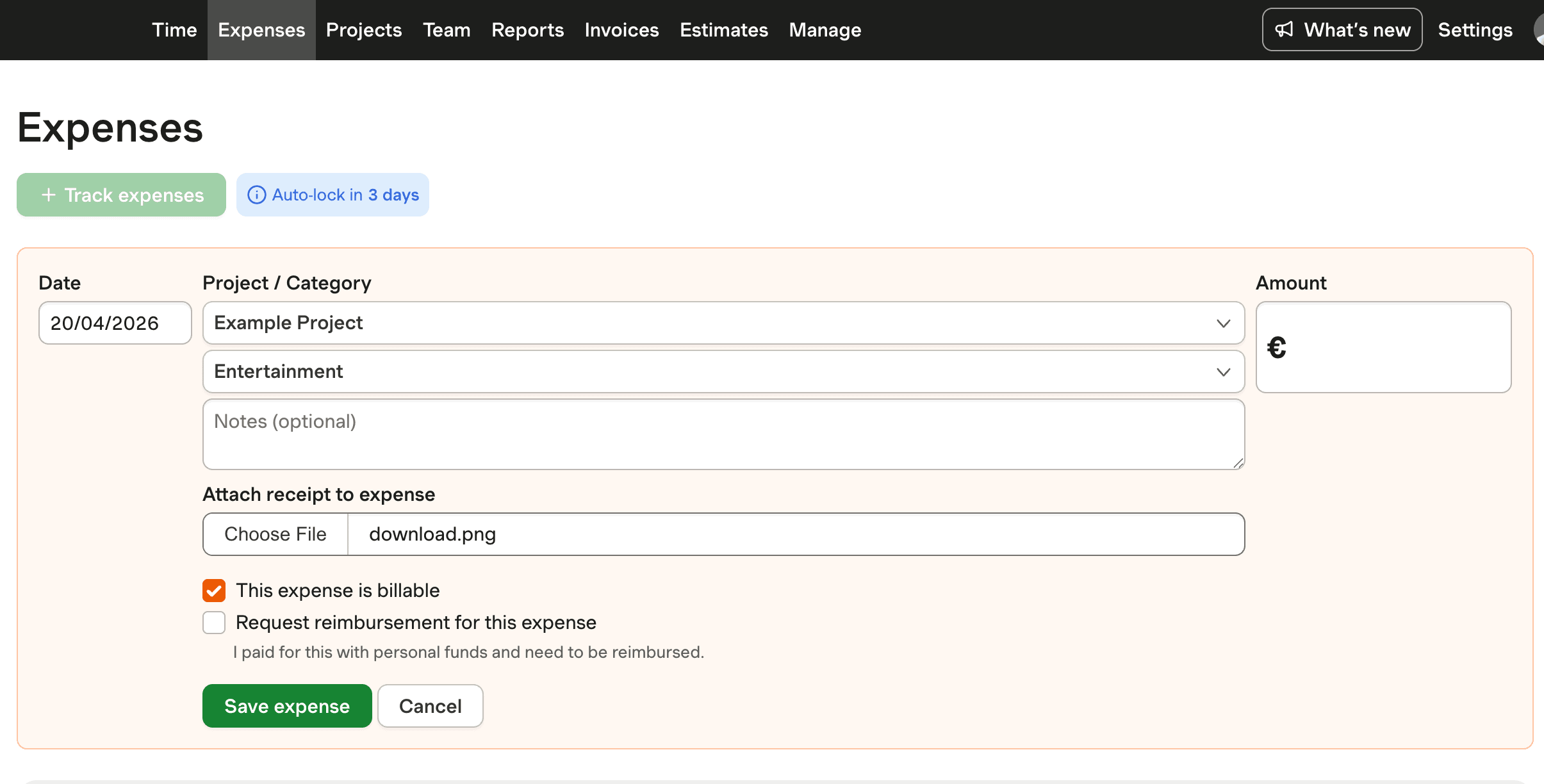
  • Attach receipts to projects & tasks
  • Turn tracked expenses into client invoices
  • Free 30-day trial, no credit card needed

or drag & drop • Images and PDFs, max 10 MB

Understanding the Need for Expense Management Software in Japan

Expense management software tailored for the Japanese market is becoming increasingly vital due to the unique business practices and regulatory landscape in Japan. The market size for such software was valued at $227.7 million for large enterprises in 2022 and is expected to grow to $406.9 million by 2027. This growth is driven by a need for cost control and transparency, with software providing real-time data analytics to facilitate informed decision-making. In 2022, Japan's cashless transactions increased by 17%, underscoring the shift towards digital solutions. However, Japan's adoption of cloud-based technologies lags behind other countries, with only 4.4% of IT spending projected on cloud services compared to 14% in the US.

As organizations move towards digital transformation, many Japanese companies still rely on manual processes, which are prone to errors and inefficiencies. The need for efficient, digital solutions is urgent, especially with the new compliance requirements under Japan's Electronic Bookkeeping Act. This act mandates electronic storage of financial documents, necessitating software that can handle electronic records while ensuring compliance with local tax laws.
How Harvest Addresses Expense Management Challenges

While Harvest may not offer localized Japanese interfaces or Japanese tax compliance features, it excels in providing project-based expense tracking ideal for small to medium-sized businesses. Harvest's straightforward approach allows businesses to track expenses alongside projects, ensuring that all costs are accurately accounted for and billed. This feature is particularly beneficial for companies that operate on a project-basis and require precise financial tracking.

Harvest enables users to manage expenses through its intuitive interface, available across multiple platforms including web, macOS, Windows, iOS, and Android. Although it does not integrate with Japanese accounting systems, Harvest's robust invoicing capabilities allow users to add VAT numbers to invoices, facilitating basic tax information management. This functionality supports businesses in maintaining a clear overview of client-related expenses, ensuring they stay on top of their financial obligations.

Compliance and Technological Trends in Japanese Expense Management

The Electronic Bookkeeping Act in Japan plays a significant role in shaping the requirements for expense management software. Effective from 2024, companies must store documents from electronic transactions electronically, necessitating software that supports digital storage and compliance. Key compliance requirements include tamper-proof document storage and digital timestamping, features that are crucial for maintaining accurate and unaltered financial records.

Despite Harvest's lack of direct integration with Japanese regulatory standards, it offers features that support efficient expense management, such as digital receipt storage and project-based tracking. As Japanese businesses increasingly seek to reduce reliance on paper-based systems, Harvest provides a solution that aligns with the global trend towards digitalization, albeit with some localization limitations.

Practical Tips for Choosing Expense Management Software

When selecting expense management software for Japanese businesses, it is essential to consider features that align with local practices and compliance requirements. For example, integration with IC card data and public transportation information can significantly streamline expense reporting. While Harvest does not offer these specific integrations, its project-based expense tracking and invoicing can still be valuable for businesses seeking to improve financial oversight.

Organizations should prioritize software that offers seamless integration with existing systems, such as accounting and ERP software, to prevent data silos. Additionally, implementing comprehensive training programs and clear expense policies can enhance the effectiveness of any expense management solution. Regular audits and reviews of expenses further ensure compliance and uncover cost-saving opportunities. Harvest, with its user-friendly interface and project-focused approach, provides an effective solution for companies looking to streamline their expense management processes, even if some localization features are absent.

Expense Management Software in Japanese with Harvest

See how Harvest's project-based expense tracking aids businesses, even without Japanese localization.

Harvest interface for expense management software in Japanese context.

Expense Management Software in Japanese FAQs

  • The market size for expense management software in Japan was valued at $227.7 million for large enterprises in 2022, and is projected to reach $406.9 million by 2027. For mid-sized businesses, it was $83.7 million in 2022, with a projection to grow to $164.6 million by 2027.

  • The Electronic Bookkeeping Act mandates electronic storage of financial documents, effective January 1, 2024. This requires software that can store documents digitally and comply with specific rules, such as tamper-proof features and digital timestamping.

  • The demand is driven by the need for cost control and transparency, as well as the shift towards digital solutions. In 2022, cashless transactions in Japan increased by 17%, highlighting the move away from paper-based processes.

  • Key features include integration with IC card data, public transportation information, automated expense tracking, receipt scanning with OCR, and real-time analytics. These features help streamline the expense reporting process.

  • Harvest allows businesses to track expenses alongside projects, ensuring accurate accounting and billing. This is particularly beneficial for companies operating on a project-basis that require detailed financial oversight.

  • Important compliance features include digital document storage, tamper-proof measures, and digital timestamping, which help maintain accurate financial records and comply with the Electronic Bookkeeping Act.