
Harvest
Expenses
Sign up

Business Monthly Expense Sheet

Harvest offers project-based expense tracking with customizable categories, perfect for managing monthly business expenses and improving budget accuracy.

EXPENSE REPORT DRAFT

Drop your receipts here or click to upload

Images and PDFs (max 10 MB each)

Date
Category
Merchant
Description
Amount
Total
$0.00

Customise report

Appearance

Show report title

Report settings

The Importance of a Business Monthly Expense Sheet

Effectively managing your business's monthly expenses is crucial for maintaining financial health, ensuring compliance, and making strategic decisions. Businesses that automate their expense management processes can reduce processing time by 60% and cut costs by 35%. This can translate to a significant reduction in manual workload, as a typical 200-person company spends around 330 hours annually processing expense reports manually. By adopting automated solutions, companies can save an average of $75 per report, highlighting the value in streamlining expense tracking and management.

Creating a structured and detailed monthly expense sheet is a foundational step towards achieving these efficiencies. It enables businesses to capture all expenditures, categorize them accurately, and maintain compliance with regulatory requirements. For example, the IRS mandates detailed records for deductions, requiring documentation like receipts and clear justification for business meals. Similarly, Canadian businesses must provide original invoices to support deductible expenses. Thus, a well-organized expense sheet not only aids in operational efficiency but also ensures adherence to legal standards.
Key Features of an Effective Expense Sheet

An effective business monthly expense sheet should include essential fields such as Date, Description, Category, Vendor, Amount, Payment Method, and Purpose. These headers help structure the data for easy input and analysis. To prevent errors and ensure accuracy, businesses should regularly review transactions, ideally on a weekly or monthly basis. This review process helps catch discrepancies early, minimizing the risk of financial leakage due to overlooked or incorrectly categorized expenses.

Common mistakes to avoid include mixing personal and business expenses, failing to save receipts, and forgetting small purchases. By ensuring that each expense is documented with adequate detail and categorized correctly, businesses can maintain a clear overview of their financial activities. Integrating this expense sheet with accounting software further enhances efficiency, eliminating manual data entry and reducing errors. This integration provides real-time data synchronization and simplifies audits by centralizing financial information.

How Harvest Enhances Expense Tracking

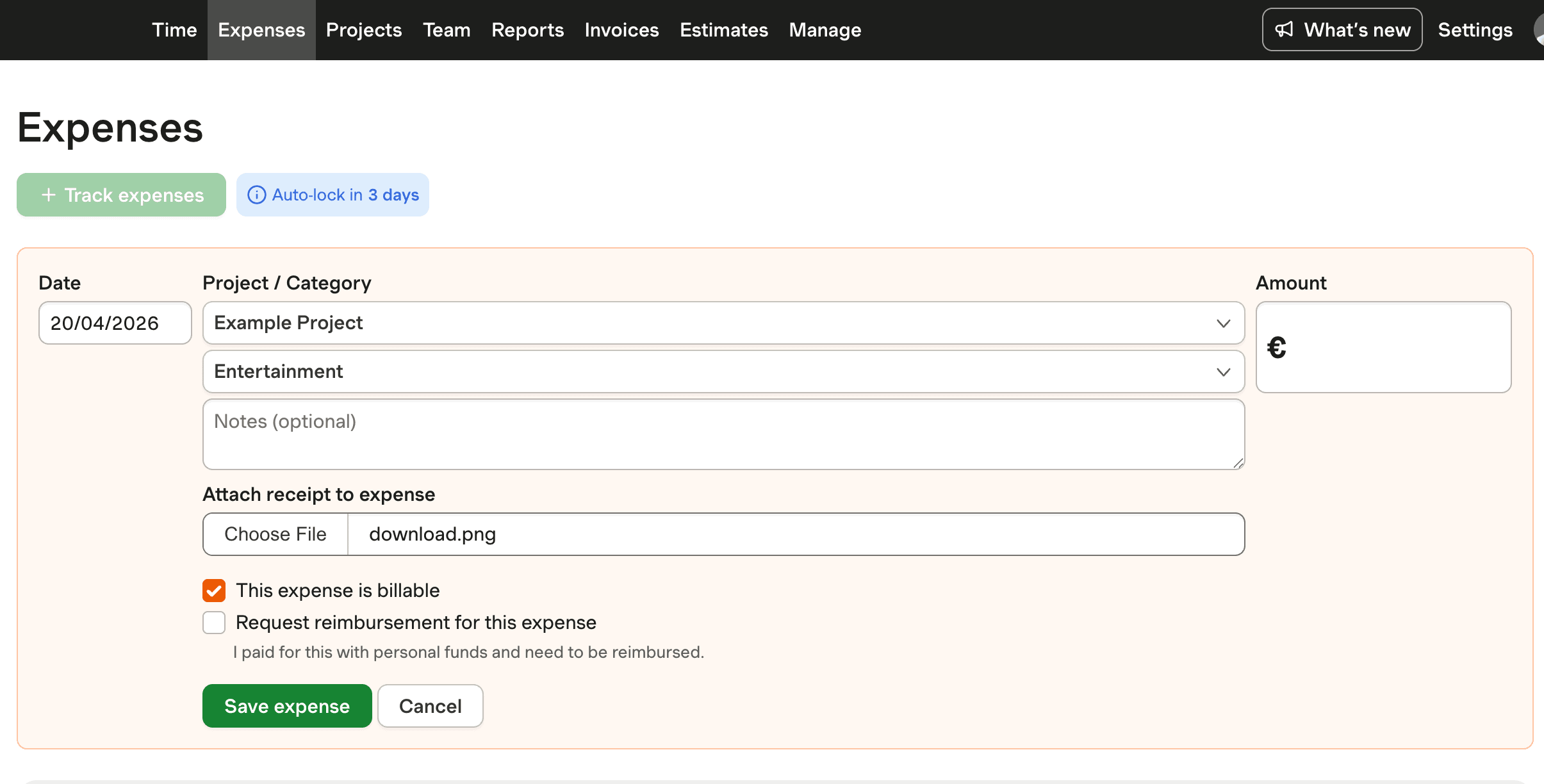
Harvest offers project-based expense tracking with customizable categories, making it an ideal solution for small businesses focused on managing operational costs. With Harvest, administrators can create detailed expense categories such as Meals, Transport, and Mileage, enabling precise tracking of expenses. This feature is particularly beneficial for companies that need to compare projected versus actual expenses to improve budgeting accuracy.

By including expenses in project budgets, Harvest allows businesses to assess financial performance against set goals, enabling better financial planning and decision-making. This capability supports businesses in maintaining control over their spending and optimizing their budget allocations. As more companies prioritize expense automation — with 87% of CFOs focusing on it by 2025 — adopting a tool like Harvest can significantly enhance financial management and compliance.

Customizing Your Expense Sheet for Business Needs

Customizing your business monthly expense sheet to fit specific needs is essential for maximizing its utility. Start by identifying the key expense categories relevant to your operations. Common categories might include Travel, Office Supplies, Professional Fees, and Marketing. Tailor these categories to reflect your business's unique expenditures, ensuring they align with accounting codes for seamless integration with financial software.

For businesses in industries with specific expense tracking requirements, like construction or retail, customization is even more critical. For instance, construction companies benefit from project-based tracking systems that use unique cost codes, while retail businesses might focus on inventory cost tracking. By aligning the expense sheet with industry-specific needs, businesses can gain a clearer understanding of their financial health and make informed strategic decisions.

Manage Expenses with Harvest

See how Harvest helps track monthly business expenses with customizable categories for detailed financial management.

Harvest dashboard showing monthly expense tracking

Business Monthly Expense Sheet FAQs

  • A business monthly expense sheet should include fields like Date, Description, Category, Vendor, Amount, Payment Method, and Purpose. These help organize and track expenses effectively.

  • Automation reduces processing time by 60% and cuts costs by 35%, significantly lowering the manual workload required for managing expenses. It also reduces errors, saving businesses up to $75 per report.

  • Detailed expense categories help businesses track and manage their spending accurately. By tailoring categories like Meals, Transport, and Mileage, businesses can align financial records with operational needs.

  • Common mistakes include mixing personal and business expenses, not saving receipts, and miscategorizing expenses. Regular reviews can help catch these errors early and maintain financial accuracy.

  • Harvest allows for detailed expense tracking with customizable categories, making it ideal for businesses needing to manage operational costs and compare projected versus actual expenses for better budgeting.

  • In the US, expenses must meet IRS "accountable plan" requirements to be deductible. This includes having a business connection and providing adequate documentation, such as receipts.

  • Real-time data offers immediate insights into spending patterns, enabling businesses to make informed financial decisions, optimize budgets, and adjust spending as necessary.