
Harvest
Expenses
Sign up

Business Expense Sheet for Taxes

Facing tax season with confidence is easier with Harvest, which offers customizable expense categories and detailed reporting to help businesses track expenses effectively.

EXPENSE REPORT DRAFT

Drop your receipts here or click to upload

Images and PDFs (max 10 MB each)

Date
Category
Merchant
Description
Amount
Total
$0.00

Customise report

Appearance

Show report title

Report settings

Creating a Comprehensive Business Expense Sheet for Taxes

To effectively prepare for tax season, businesses need a comprehensive expense sheet that categorizes and tracks all relevant expenditures. A well-structured expense sheet is crucial for maximizing tax deductions and ensuring compliance with tax regulations. By organizing expenses into clear categories such as salaries, rent, marketing, and travel, businesses can streamline the tax return preparation process and safeguard against audits.

Harvest offers a powerful solution for creating customizable expense categories tailored to different business needs. This flexibility allows businesses to meticulously organize their expenses, which is essential for maximizing tax deduction recovery. With the ability to generate detailed expense reports, Harvest empowers users to analyze spending patterns and ensure that no potential deductions are overlooked.
Leveraging Digital Tools for Accurate Expense Tracking

With the rise of digital solutions, businesses are increasingly moving away from manual expense tracking processes. Approximately 79% of enterprises now adopt digital expense tracking solutions, which can reduce manual errors by 43% and processing time by 41%. Automation not only enhances accuracy but also provides real-time visibility into expenditures, enabling businesses to make informed financial decisions.

Harvest simplifies expense management by allowing users to upload receipt images and PDFs, ensuring all necessary documentation is readily available for tax purposes. This feature helps businesses maintain detailed records as required by the IRS for expenses over $75, including the amount, time, place, and business purpose. By capturing and categorizing expenses automatically, Harvest minimizes the manual effort involved and aids in compliance with tax regulations.

Maximizing Tax Deductions with Detailed Reporting

Maximizing tax deductions requires a strategic approach to expense reporting. Businesses must ensure that their expense reports are detailed and accurate to capture all eligible deductions. The IRS mandates that deductible expenses must be "ordinary" and "necessary," making it crucial for businesses to categorize expenses appropriately.

Harvest enables users to generate comprehensive expense reports that can be used to analyze and optimize tax deductions. By providing real-time tracking and policy enforcement, Harvest ensures that all expenses are accounted for and compliant with internal guidelines. This proactive approach helps businesses avoid potential penalties from inadequate expense categorization and enhances their overall financial health.

The Benefits of Automated Expense Management

Automated expense management systems have become a strategic asset for businesses looking to improve financial workflows and reduce costs. These systems can lead to cost savings of up to 34% by preventing over-budget approvals and flagging out-of-policy expenses. Furthermore, automation significantly boosts productivity, saving finance teams an estimated 13 hours per week.

By integrating with existing financial systems, Harvest offers seamless connectivity that reduces manual data entry and provides real-time financial insights. This integration is critical for modern expense management, as it transforms static spend data into actionable intelligence. With Harvest, businesses can proactively adjust budgets and improve working capital efficiency, all while maintaining detailed records for tax purposes.

Ensuring Compliance and Efficiency with Harvest

Compliance with tax regulations is a top priority for businesses, particularly with the evolving landscape of tax laws. The IRS requires businesses to maintain detailed records and categorize expenses correctly to qualify for deductions. Automated systems are instrumental in enhancing compliance by flagging discrepancies and ensuring adherence to spending policies.

Harvest plays a vital role in ensuring compliance by providing tools that enforce company spending policies and offer real-time tracking of expenses. By using Harvest, businesses can safeguard against missed tax deductions and reduce the risk of increased scrutiny during audits. This ensures that businesses not only maximize their deductions but also maintain efficient and compliant financial operations.

Streamline Tax Prep with Harvest

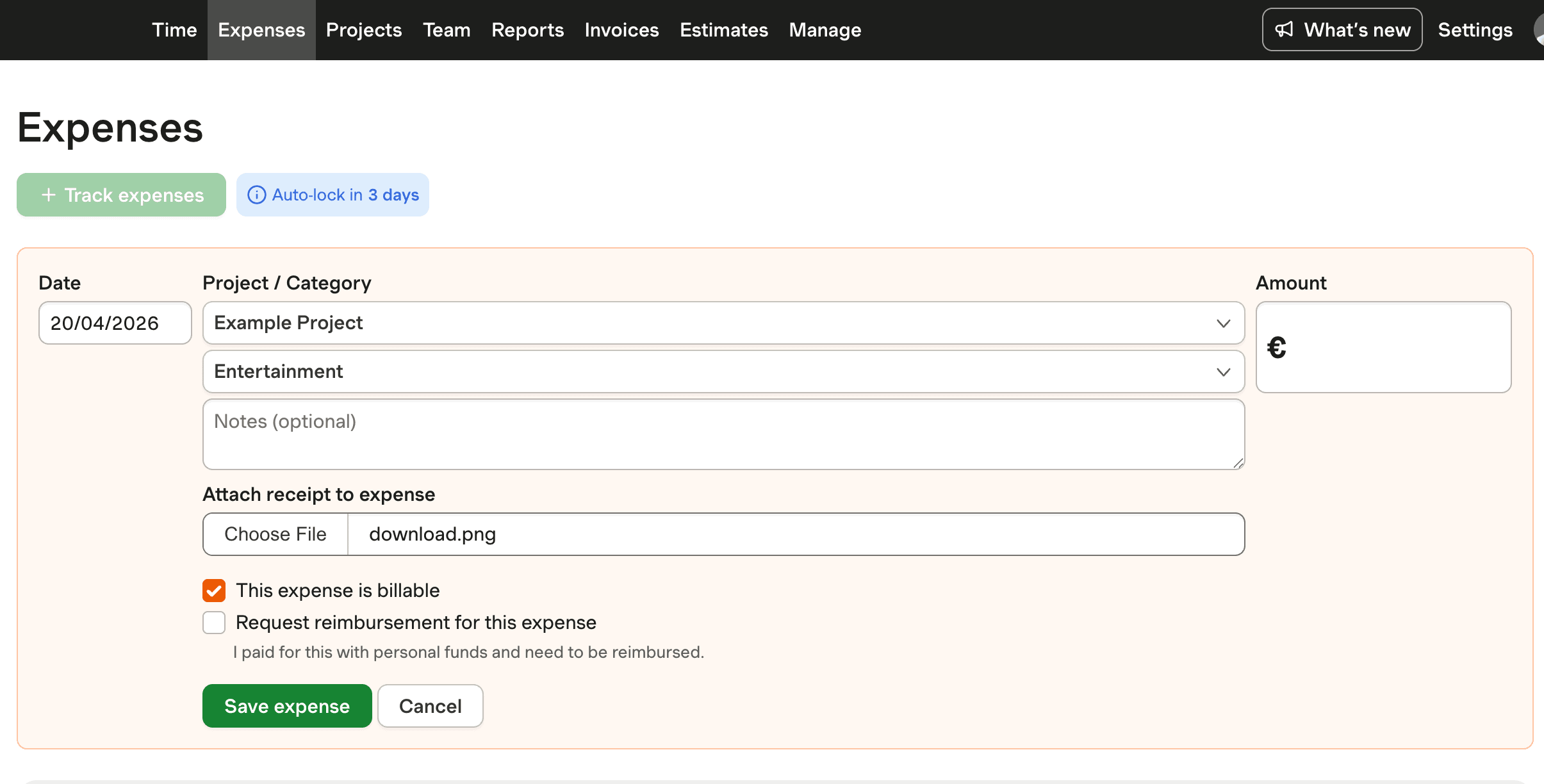
See how Harvest helps organize business expenses for taxes with customizable categories and detailed reporting.

Harvest interface showing business expense sheet for taxes

Business Expense Sheet for Taxes FAQs

  • Common categories include salaries, rent, marketing, software, and travel expenses. Proper categorization is crucial for maximizing tax deductions and ensuring compliance with IRS standards.

  • An expense sheet helps organize and categorize expenses, ensuring no potential deductions are missed. Detailed records facilitate easier tax return preparation and compliance with IRS requirements.

  • Yes, many online platforms offer free templates for business expense sheets. These templates help structure your expenses into categories, making it easier to track and report for tax purposes.

  • Harvest allows users to create customizable expense categories and upload receipts, ensuring all expenses are accurately tracked and documented for tax purposes. This helps in maximizing deductions and maintaining compliance.

  • A business expense report should include the amount, time, place, and business purpose of each expense. This detailed information is essential for IRS compliance and maximizing tax deductions.

  • Yes, Harvest provides tools to upload receipts and maintain detailed documentation, helping businesses comply with IRS record-keeping requirements for expenses over $75.

  • Automation reduces manual errors and processing time, providing real-time visibility into expenses. This accuracy helps in maximizing tax deductions and ensuring compliance with tax regulations.

  • Integrating expense management with systems like accounting software ensures data integrity, reduces manual entry, and simplifies reconciliation processes, leading to more efficient financial operations.