
Harvest
Expenses
Sign up

Excel Expense Report With Mileage

Harvest offers a seamless way to integrate mileage tracking with expense reporting, helping businesses reduce overclaims and manage travel expenses accurately.

  • Attach receipts to projects & tasks
  • Turn tracked expenses into client invoices
  • Free 30-day trial, no credit card needed

or drag & drop • Images and PDFs, max 10 MB

Why Accurate Mileage Tracking Matters in Expense Reporting

Accurate mileage tracking is crucial for businesses aiming to manage expenses effectively and ensure compliance with tax regulations. Studies show that 47% of employees tend to overclaim on business mileage, resulting in potential revenue loss. Implementing precise tracking mechanisms can cut mileage submissions by an estimated 25%, drastically reducing over-claims. For industries like healthcare, which allocate over 11% of their budget to personal car mileage, accurate tracking is not just a cost-saving measure but a necessity.

Harvest addresses the challenge of accurate mileage tracking by integrating mileage as a specific expense category. This allows businesses to capture mileage-related expenses consistently, ensuring that reimbursements are accurate and efficiently managed. By maintaining detailed records, businesses can avoid discrepancies and maintain compliance with reimbursement policies. While Harvest does not automate mileage tracking, its integration with expense reporting offers a streamlined approach to managing travel expenses.
Integrating Mileage Tracking with Expense Reporting Using Harvest

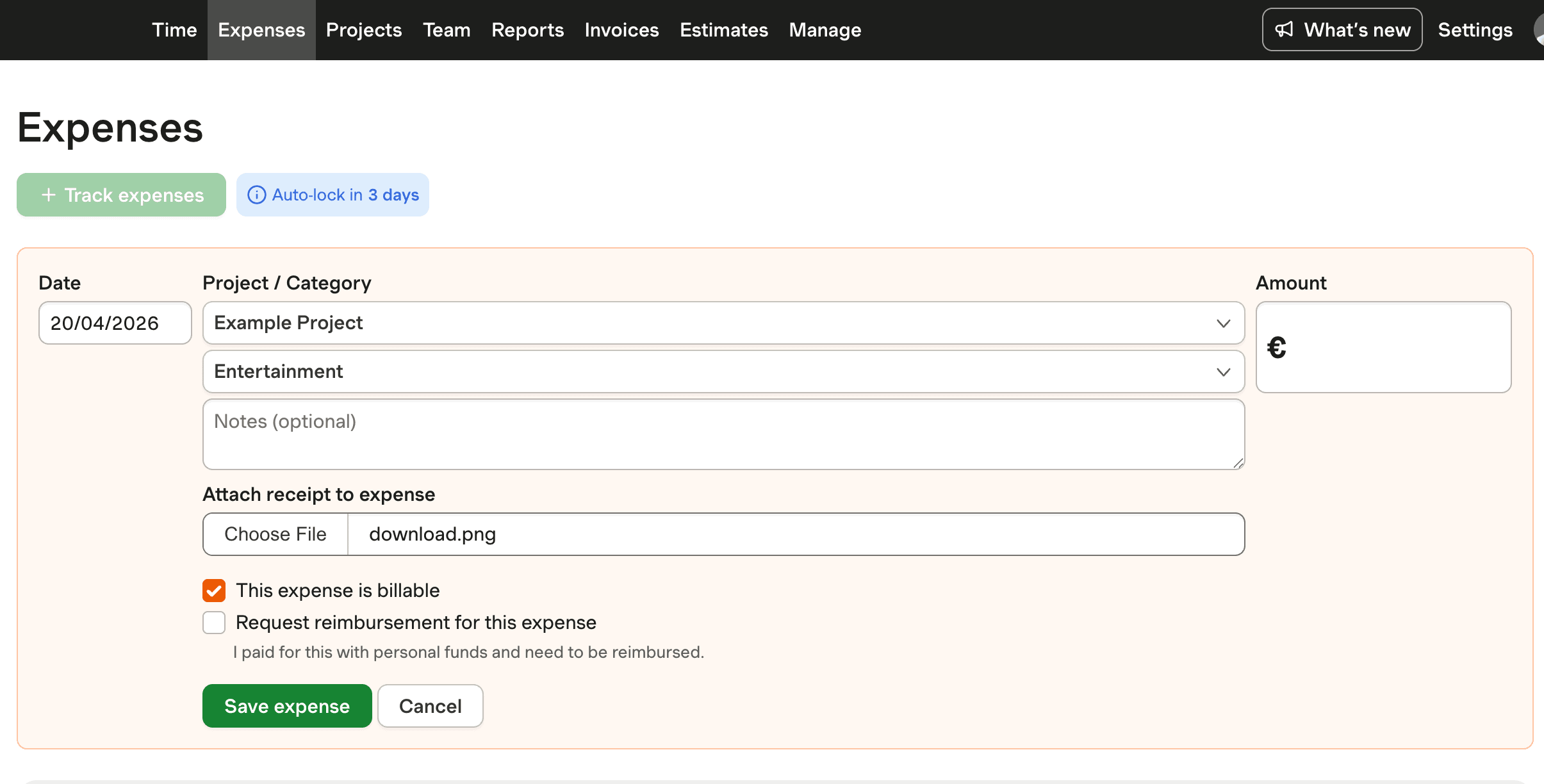
Integrating mileage tracking with expense reporting can simplify the reimbursement process and improve administrative efficiency. Harvest enables users to categorize mileage as an expense, applying a unit price that reflects the current reimbursement rates. This integration helps businesses manage expenses more effectively by centralizing data entry, reducing the risk of human error, and ensuring accurate reimbursement calculations.

For example, healthcare and construction industries can benefit significantly from this integration. By using Harvest, organizations can categorize mileage expenses under specific projects or clients, providing a more detailed financial overview. This project-based approach not only streamlines the expense reporting process but also aids in precise cost allocation and budget management. Though Harvest requires manual entry for mileage, its seamless integration into broader expense reporting systems ensures that businesses can manage travel expenses with greater accuracy and efficiency.

Ensuring Compliance in Mileage Reports

Compliance with tax regulations is a critical concern for businesses that reimburse mileage. The IRS requires mileage logs to include specific details such as the date, purpose, and total miles driven for each business trip. In the UK, HMRC mandates similar documentation, with the added provision of tax relief for under-reimbursed mileage. However, many businesses struggle with maintaining compliant records due to manual tracking methods.

While Harvest does not specifically cater to IRS or HMRC compliance requirements, it offers a practical solution for tracking mileage expenses. Users create a mileage expense category and input mileage data manually, ensuring that records are maintained consistently. This method supports compliance by providing a clear audit trail of expenses, though businesses may need to supplement Harvest's capabilities with additional documentation for full compliance. By adopting a disciplined approach to mileage tracking using Harvest, organizations can better align with legal standards and reduce the risk of non-compliance.

The Benefits of Manual Mileage Entry in Harvest

Manual mileage entry, while seemingly outdated, offers several advantages in terms of control and customization for expense tracking. Automated systems may not accommodate unique business needs, especially for companies that require flexible reporting options. Manual entry allows businesses to adjust mileage expenses based on specific project requirements or reimbursement rates.

Harvest facilitates this process by allowing users to manually enter mileage quantities, enabling precise expense tracking that aligns with company policies. This flexibility is particularly beneficial for businesses that operate in diverse regions with varying reimbursement rates, such as international companies dealing with multiple tax jurisdictions. By providing a straightforward method for entering and categorizing mileage expenses, Harvest empowers businesses to maintain control over their financial reporting and ensures that mileage reimbursements reflect actual business usage.

Manage Mileage with Harvest

See how Harvest integrates mileage tracking into expense reporting for accurate reimbursement and cost control.

Screenshot of Harvest's mileage tracking interface for expense reports.

Excel Expense Report With Mileage FAQs

  • An effective expense report template for mileage tracking should include fields for date, start and end locations, total miles driven, and the business purpose of each trip. This ensures compliance with IRS or HMRC requirements and provides accurate documentation for reimbursements.

  • To ensure IRS compliance, maintain logs that include the date, destination, purpose, and total miles driven for each trip. Keeping these records for at least 3-4 years is recommended in case of an audit. Harvest can help track expenses, but additional documentation may be needed for full compliance.

  • While Excel itself does not offer automated mileage tracking, third-party plugins can enhance its functionality. Harvest, however, allows users to enter mileage manually within its expense tracking system, ensuring accurate reimbursement calculations.

  • A complete mileage log should include the date, starting and ending locations, total miles driven, and the business purpose for each trip. These details are essential for compliance and accurate reimbursement.

  • Yes, Excel templates can be customized to suit specific business needs, such as adding fields for different reimbursement rates or project-based categorization. Harvest provides flexibility in expense tracking by allowing manual entry and categorization of mileage expenses.

  • Harvest integrates mileage tracking by allowing users to categorize it as an expense with a unit price. This integration facilitates accurate reimbursement and project-based financial reporting, streamlining the overall expense management process.