
Harvest
Expenses
Sign up

Mileage and Expense Report Template

Harvest simplifies mileage and expense tracking with customizable rates and integrated reporting, saving businesses time and reducing errors.

EXPENSE REPORT DRAFT

Drop your receipts here or click to upload

Images and PDFs (max 10 MB each)

Date
Category
Merchant
Description
Amount
Total
$0.00

Customise report

Appearance

Show report title

Report settings

Understanding Mileage and Expense Report Templates

For businesses looking to manage their travel costs effectively, a mileage and expense report template is essential. An efficient template should include fields for mileage rates, total miles driven, and expenses incurred, ensuring compliance with IRS requirements. In 2026, the IRS standard mileage rate is 72.5 cents per mile for business travel, necessitating accurate logs for tax deductions. Many templates offer flexibility, allowing you to customize fields to fit your specific business needs.

However, manual processes can be costly and error-prone, with 19% of reports containing errors that cost an additional $52 to correct. By transitioning to automated systems, businesses can reduce processing costs by 35% and save $75 per report. Despite this, around 32% of companies continue using spreadsheets and paper, which can be time-consuming and lead to inefficiencies. A well-structured template can mitigate these challenges by providing a clear framework for tracking and reporting expenses.
How Harvest Enhances Mileage and Expense Tracking

Harvest offers an integrated solution for businesses seeking to streamline their mileage and expense tracking. With the ability to set specific mileage rates for various purposes—such as business, medical, and charitable—Harvest allows for accurate and customizable reporting. This feature is particularly beneficial for industries like healthcare, where precise mileage tracking is crucial, as they spend 11% on personal car mileage, more than double the average of other sectors.

Unlike manual systems that increase error rates and processing times, Harvest integrates mileage logs with its expense tracking module, enabling seamless reimbursement processes. By automating these workflows, companies can achieve significant time savings, reducing month-end close times by nearly 50% and improving reimbursement speed by 50% as seen in other automated systems. This integration not only enhances accuracy but also provides real-time visibility into expenses, a priority for 70% of finance teams by 2025.

Customizing Your Mileage and Expense Report with Harvest

Customization is key when it comes to mileage and expense reporting, and Harvest provides the flexibility needed to tailor reports to specific business requirements. Administrators can create custom expense categories, ensuring that the reports align with company policies and compliance standards. While Harvest requires manual entry of mileage data, it facilitates the categorization and application of custom rates for different mileage purposes.

This flexibility allows businesses to maintain accurate records while adhering to IRS or HMRC regulations. For example, businesses can set up categories to distinguish between reimbursable business miles and non-reimbursable commuting miles. This feature is crucial for companies like Gallagher, which streamlined its expense claims process, improving compliance and reducing repetitive tasks. By allowing for detailed customization, Harvest ensures that businesses can effectively manage their mileage and expenses, minimizing errors and maximizing efficiency.

The Case for Transitioning to Automated Expense Solutions

Despite the apparent benefits of automation, many companies still rely on manual expense processing, which costs an average of $58 per report. Transitioning to an automated system like Harvest can reduce these costs significantly, offering savings of up to 35%. Automation not only cuts costs but also improves accuracy and compliance, addressing common issues like lost receipts and incorrect mileage tracking.

Real-world examples highlight the transformative impact of automation. For instance, companies that adopted automated mileage tracking saw a 20% cost saving by eliminating inaccuracies associated with self-reported mileage. Furthermore, automated solutions facilitate faster reimbursements and improve employee satisfaction, as employees spend less time on administrative tasks and more on strategic activities. With mobile-based expense reporting adoption growing by 42% in 2024, the trend towards automation is clear and compelling, making now the ideal time to transition to a comprehensive expense management solution like Harvest.

Mileage and Expense Report Template with Harvest

Explore Harvest's customizable mileage and expense report template, featuring integrated tracking and reimbursement processing.

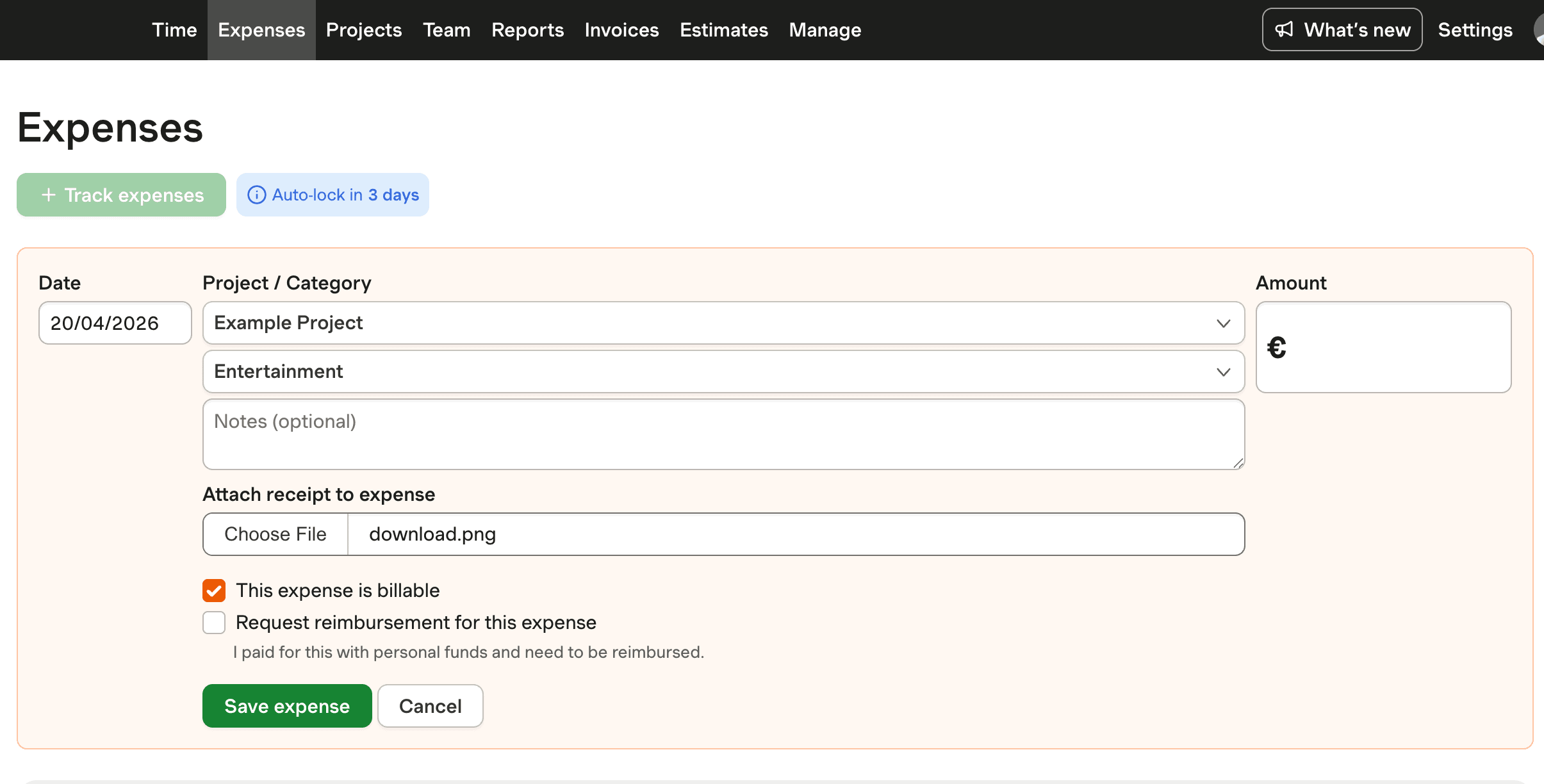
Screenshot of Harvest's mileage and expense report template interface.

Mileage and Expense Report Template FAQs

  • A mileage and expense report should include fields for total miles driven, applicable mileage rates, expenses incurred, and business purposes. Accurate documentation is crucial for tax compliance.

  • To ensure IRS compliance, maintain detailed logs with total annual mileage, odometer readings, and business trip details. Harvest allows you to set custom rates and track mileage as an expense category.

  • Yes, automated solutions like Harvest integrate mileage logs with expense tracking, streamlining reimbursement and reducing processing costs by up to 35%.

  • Harvest allows administrators to set specific mileage rates for various purposes, offering flexibility in customizing reports to meet business needs and compliance standards.

  • Automated expense solutions reduce processing time by 60% and cut costs by 35%, improving accuracy and compliance. They also provide real-time visibility, a priority for finance teams.

  • Integrating expense tracking with financial systems ensures seamless data transfer, precise reporting, and effective budgeting. It also reduces manual entry and errors.

  • Harvest integrates mileage logs with expense reporting, allowing for efficient reimbursement processes that save time and improve accuracy in financial management.