
Harvest
Expenses
Sign up

Expense Budget Report

Harvest simplifies expense tracking by enabling small businesses to categorize and manage expenses monthly, integrating them into project budgets for a complete financial overview.

EXPENSE REPORT DRAFT

Drop your receipts here or click to upload

Images and PDFs (max 10 MB each)

Date
Category
Merchant
Description
Amount
Total
$0.00

Customise report

Appearance

Show report title

Report settings

Understanding the Key Components of an Expense Budget Report

An expense budget report is a crucial tool for businesses to effectively track and manage their finances. The key components of an expense budget report include a detailed list of all expenses, categorized according to the nature of the expense, such as travel, meals, and supplies. This categorization helps in understanding spending patterns and identifying areas where cost savings can be achieved. According to industry data, 83% of enterprises are adopting automated solutions to streamline expense reporting, which reduces the manual process burden and increases efficiency.

A comprehensive report should also compare budgeted amounts against actual expenditures, highlighting any variances. This allows businesses to take corrective action and adjust budgets as necessary. Automating this process can reduce the cost per transaction by up to 78%, allowing finance teams to focus on strategic decision-making rather than correcting errors, which occur in 19% of manual reports and require additional time and cost to rectify.
Automating Expense Tracking with Harvest

Automating expense tracking is essential for businesses aiming to reduce operational costs and improve accuracy. Harvest provides a seamless solution for small businesses to track and categorize expenses on a monthly basis. This capability allows users to organize expenses by date, project, and custom categories, such as Meals and Transport, which is particularly beneficial for travel expenses. By employing automated systems, businesses can reduce error rates by 20% and save 27% of the time typically spent on manual processes.

With Harvest, small businesses can integrate expense tracking into their project budgets, offering a comprehensive financial overview without the need for dedicated annual budget reporting features. This integration not only minimizes manual data entry errors but also enhances reporting accuracy and provides real-time visibility into spending patterns, crucial for strategic financial planning.

Best Practices for Maintaining an Expense Budget Report

Maintaining an accurate and up-to-date expense budget report is vital for audit readiness and compliance with IRS requirements, which mandates specific documentation for all business expenses. Automated expense reporting with tools like Harvest ensures that businesses have complete audit trails and real-time visibility into their financial activities. This capability is crucial as it helps companies proactively identify compliance issues and potential fraud.

To maintain an effective expense budget report, it is important to establish clear policies that define allowable expenses and required documentation. Industry experts recommend that companies communicate these policies to employees and require acknowledgment with each submission. Leveraging technology for receipt capture and automated categorization further reduces errors and ensures compliance, as 73% of companies now use AI-powered tools to enhance accuracy in expense tracking and fraud detection.

Integrating Expense Reports with Business Processes

Integration of expense reports with other business processes is essential for efficient financial management. Harvest facilitates this by allowing expenses to be seamlessly incorporated into project budgets, aligning them with other financial tools such as ERP and accounting systems. This integration minimizes manual data entry, reduces errors, and enhances overall reporting accuracy, providing businesses with a unified view of their expenses for better decision-making.

For instance, real-time integration with bank and investment accounts ensures that transactions are automatically updated, saving time and reducing the risk of outdated records. Companies like Centric Infrastructure Group have seen significant benefits from such integrations, including an 85% reduction in reconciliation time and a dramatic decrease in month-end closing periods, underscoring the importance of a connected financial ecosystem.

Expense Budget Reports with Harvest

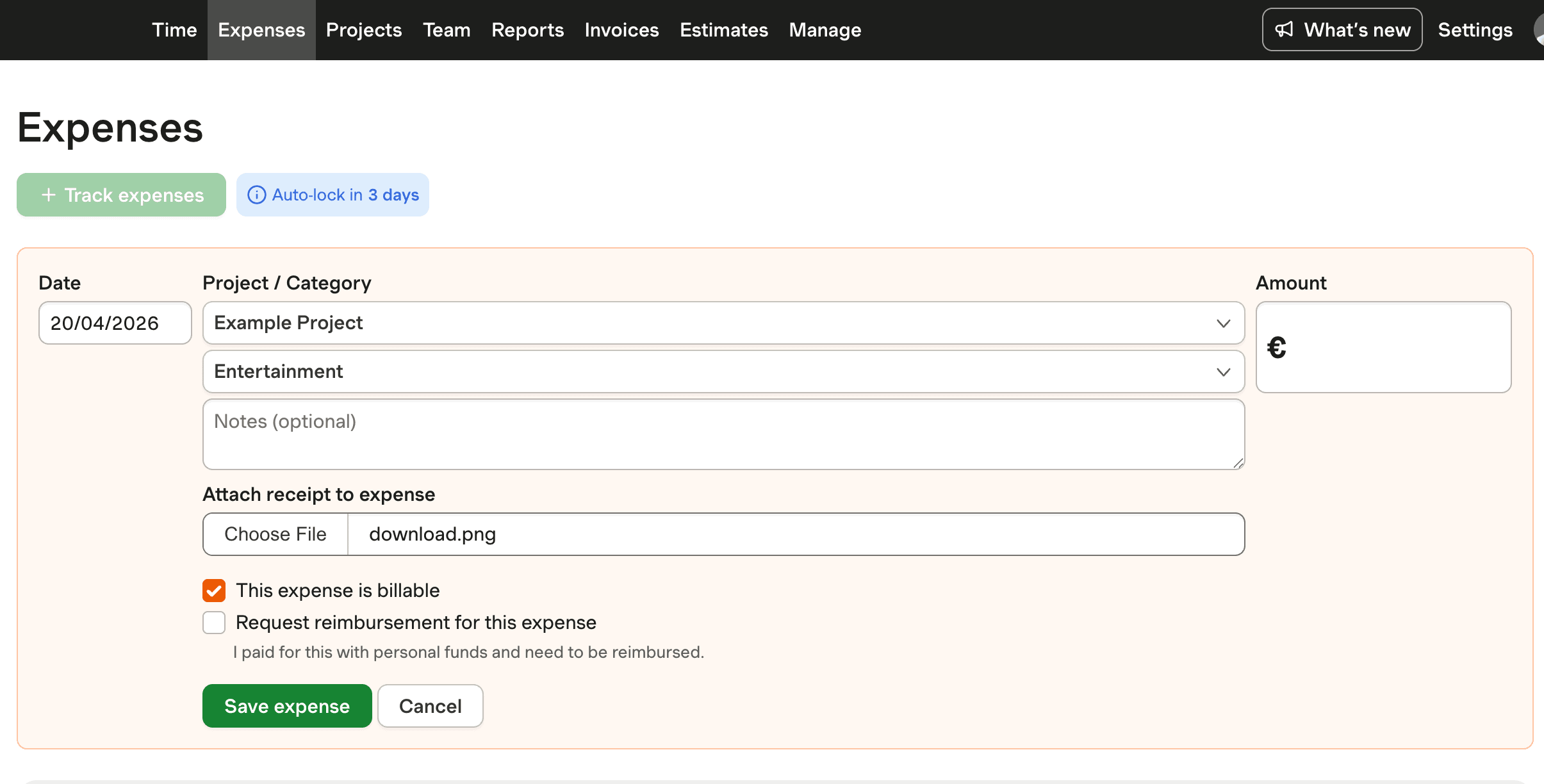
Explore how Harvest helps manage and categorize expenses in comprehensive budget reports, integrating seamlessly with project budgets for detailed oversight.

Harvest interface showing expense budget report creation and management.

Expense Budget Report FAQs

  • An expense budget report should include a detailed list of expenses categorized by type, such as travel or meals, and a comparison of budgeted versus actual expenditures. This helps identify cost-saving opportunities and areas needing adjustment.

  • Automation reduces manual processing costs by up to 78% and minimizes errors, which occur in 19% of manual reports. Automated tools provide real-time data and enhance accuracy, allowing finance teams to focus on strategic planning.

  • Harvest offers tools to track and categorize expenses monthly, integrating them into project budgets. This provides a comprehensive financial view without the need for separate annual budget reporting features.

  • Ensure compliance by establishing clear policies for allowable expenses, using automated tools for receipt capture, and maintaining real-time visibility into spending to prevent fraud and errors.

  • Yes, Harvest can integrate expense reports with ERP, accounting, and other financial systems, reducing manual entry, minimizing errors, and providing a unified view for better decision-making.

  • Real-time integration ensures that transactions are updated automatically, saving time and reducing errors. This keeps financial records current and supports strategic business decisions.

  • Technology, including AI and machine learning, enhances accuracy in expense tracking, reduces fraud, and simplifies compliance. Over 73% of companies now use AI-powered tools for these purposes.