
Harvest
Expenses
Sign up

Mileage Tracker in German

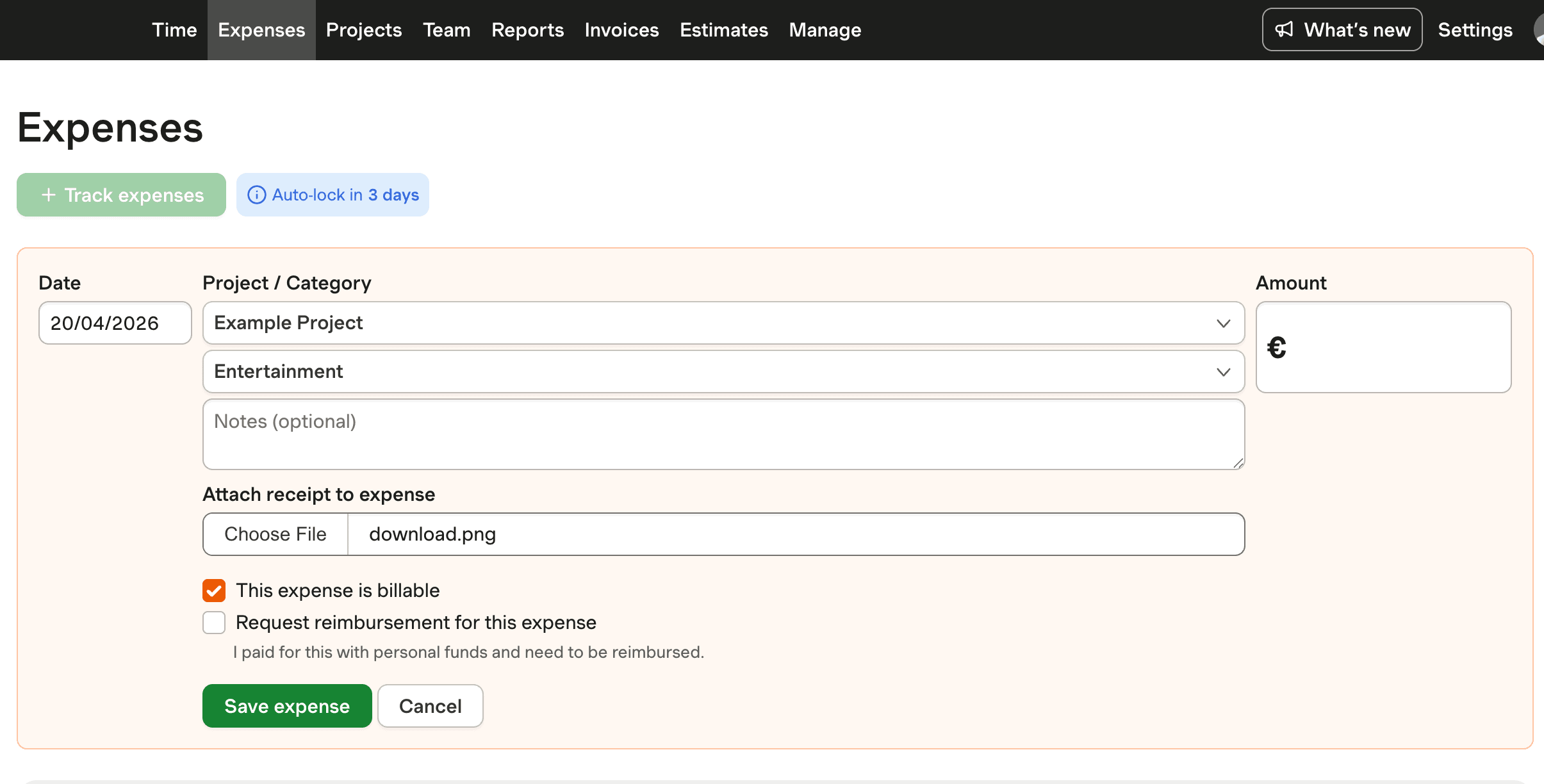
Harvest offers manual mileage tracking with export options in CSV or Excel formats, ideal for small businesses needing project-based expense tracking.

  • Attach receipts to projects & tasks
  • Turn tracked expenses into client invoices
  • Free 30-day trial, no credit card needed

or drag & drop • Images and PDFs, max 10 MB

The Challenge of Mileage Tracking in Germany

Tracking mileage accurately in Germany is crucial for businesses seeking to maximize tax deductions while ensuring compliance with stringent regulations. The use of mileage logs, especially in digital form, can help drivers avoid overpaying taxes, which averages around 2,617 Euros per driver annually. However, only about 25% of company car drivers currently maintain detailed logs, leading to potential overpayments totaling 2.47 billion Euros each year.

For businesses, the choice between the Fahrtenbuch method and the 1% rule often hinges on the extent of private vehicle use and the car's value. The Fahrtenbuch method can save thousands of Euros annually, especially for those with limited private use or high vehicle values. Digital solutions are increasingly preferred, offering automated data capture and error reduction.
Why Digital Mileage Logs Are Essential

Digital mileage logs offer significant advantages over traditional paper methods. They automate the collection of key data such as date, distance traveled, and locations, reducing manual errors and saving time. This automation aligns well with the demands of German tax authorities, which require logs to be tamper-proof and detailed.

Electronic logs are generally accepted by tax offices if they comply with GoBD principles. They also reduce the risks associated with manual errors, such as missing entries or illegible handwriting, which can lead to the rejection of the log by authorities. For example, a case at the Bundesfinanzhof demonstrated the risk when a manually maintained log was rejected due to insufficient details.

Harvest's Role in Mileage Expense Management

Harvest provides a practical solution for small businesses looking to maintain accurate mileage records. While it may not offer automatic trip classification or GPS tracking, Harvest allows users to manually enter mileage expenses and set unit prices per mile or kilometer, facilitating detailed tracking for tax purposes.

With Harvest, businesses can export mileage expense reports in CSV or Excel formats, which are vital for tax reporting. This feature ensures that all tracked expenses can be easily integrated into broader financial records, aiding in compliance with reporting requirements.

Navigating Compliance with German Tax Regulations

Adhering to German tax regulations for mileage tracking involves more than just recording distances. Logs must be kept in a continuous, timely, and closed manner, capturing essential details like start and end locations, purposes of trips, and business partners for work-related journeys.

Harvest facilitates this by allowing detailed manual entry of mileage data, ensuring that businesses can meet these rigorous standards. Although Harvest does not offer direct GoBD compliance features, its export capabilities can be used to support compliance efforts when combined with thorough manual record-keeping.

Optimizing Business Mileage Tracking with Harvest

For businesses considering a mileage tracking solution, Harvest offers a streamlined approach by focusing on essential features that aid in accurate expense management. While it doesn't integrate directly with German tax software like WISO, Harvest's export options enable users to seamlessly transfer data for external processing.

By allowing manual input and export of mileage data, Harvest helps businesses maintain necessary records for tax deductions. This is particularly beneficial for those managing project-based expenses, ensuring they can accurately account for travel costs alongside other business expenses.

Streamline Mileage Tracking with Harvest

See how Harvest helps track mileage expenses with manual entry and export options, suitable for German tax needs.

Harvest mileage tracker interface with export options in German context.

Mileage Tracker in German FAQs

  • Using a digital mileage log that adheres to GoBD principles is the most efficient way to track mileage for tax purposes in Germany. Digital solutions automate data collection and help ensure compliance with tax regulations.

  • Digital mileage logs can prevent overpayment of taxes by accurately distinguishing between personal and business use. On average, this can save drivers around 2,617 Euros annually in Germany.

  • A compliant mileage log in Germany must be continuous, timely, and closed. It should record the date, start and end locations, purpose of the trip, and business partners for business-related journeys.

  • Harvest allows small businesses to manually track mileage expenses and export reports in CSV or Excel formats. This facilitates tax reporting and compliance with financial regulations.

  • Harvest does not directly integrate with German tax software like WISO, but its export options allow for seamless data transfer to external systems for processing and compliance purposes.

  • The Fahrtenbuch method can be more financially beneficial for users with limited private use or high vehicle values, potentially saving thousands of Euros annually compared to the 1% rule.

  • Manipulation security ensures that digital mileage logs are tamper-proof, a key requirement for acceptance by German tax authorities. It helps maintain the integrity and reliability of recorded data.