
Harvest
Expenses
Sign up

Expense Forecast Template Excel

Harvest helps track project expenses accurately, allowing seamless integration with Excel templates for effective budgeting and forecasting.

EXPENSE REPORT DRAFT

Drop your receipts here or click to upload

Images and PDFs (max 10 MB each)

Date
Category
Merchant
Description
Amount
Total
$0.00

Customise report

Appearance

Show report title

Report settings

The Benefits of Using an Expense Forecast Template in Excel

An expense forecast template in Excel offers a structured framework for predicting upcoming costs, promoting financial discipline and accountability. In today's dynamic business environment, static annual budgets are becoming obsolete, with 78% of US companies integrating AI into financial planning to enhance precision. The transition from rigid budgets to flexible, data-driven methodologies allows businesses to adapt to real-time changes and optimize financial strategies.

Using an Excel template for expense forecasting simplifies the process by allowing users to customize categories, input historical data, and project future expenses. This approach aligns with the evolving trend of integrating predictive models and operational drivers into forecasting, enhancing accuracy and decision-making. Moreover, as 88% of companies prioritize real-time access to historical data, Excel templates provide a user-friendly platform to track and analyze expense trends effectively.
How to Customize Your Expense Forecast Template

Customizing an expense forecast template in Excel involves several key steps to ensure it meets your specific needs. Start by identifying the main categories of expenses relevant to your business, such as operational costs, marketing, and personnel expenses. This allows for a clearer view of where funds are being allocated, making it easier to identify potential savings opportunities.

Next, input historical data to serve as a benchmark for future projections. Modern practices emphasize using two to five years of past performance data to temper expectations and guide realistic planning. By employing techniques such as variance analysis and scenario planning, you can adjust your forecasts dynamically, reflecting ongoing savings efforts and market changes. This approach not only offers a snapshot of expected expenditures but also integrates financial objectives directly into broader business strategies, fostering a comprehensive financial management process.

Tips for Accurate Expense Forecasting

Accurate expense forecasting is essential for effective financial planning and can be achieved by following best practices. Start by analyzing past spending patterns to establish a baseline, as historical data provides valuable insights into future trends. Engaging in scenario planning helps prepare for both favorable and adverse financial conditions, making your forecasts more robust.

It is also crucial to maintain flexibility in your forecasting methods. The adoption of rolling forecasts—updated monthly or quarterly—enables businesses to remain agile and responsive to immediate changes. This practice is particularly beneficial given that 70% of financial advisors have enhanced their decision-making with advanced planning software, which often includes dynamic forecasting capabilities. By staying adaptable, organizations can effectively navigate financial challenges and capitalize on emerging opportunities.

Integrating Harvest with Expense Forecasting

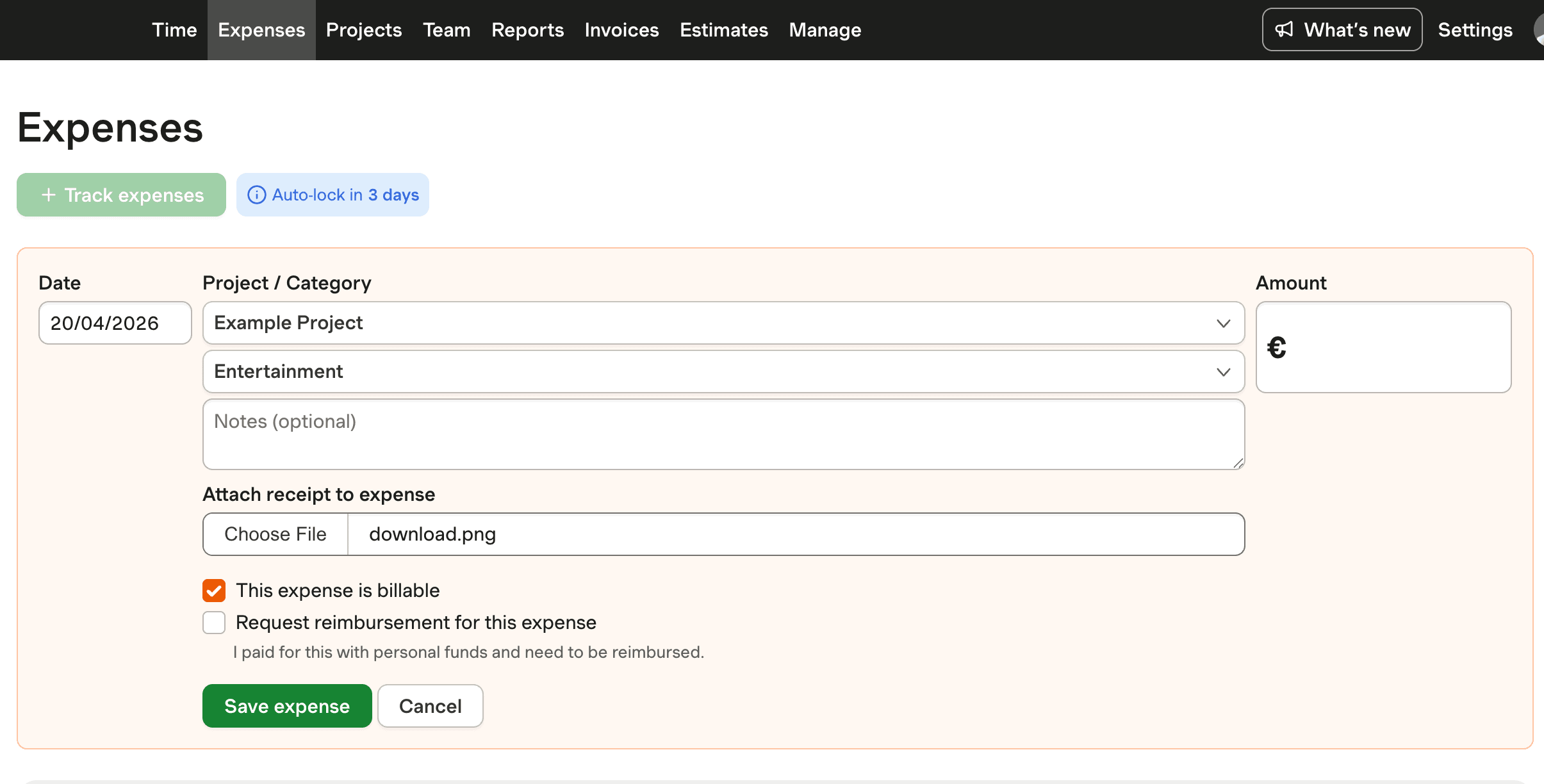
While Harvest specializes in tracking project expenses and budgeting, it can play a complementary role in the broader financial planning process. By capturing detailed expense data, Harvest provides a foundation for more comprehensive forecasting activities. Although it does not offer advanced dynamic forecasting, the accurate tracking of expenses by project and category allows for precise budget management.

Incorporating Harvest into your expense forecasting routine can enhance visibility into spending patterns and improve budgeting accuracy. This integration ensures that tracked expenses align with overall financial goals, thereby supporting strategic financial decisions. By leveraging Harvest's capabilities in conjunction with Excel templates, organizations can achieve a holistic view of their financial landscape.

Common Mistakes in Expense Forecasting and How to Avoid Them

Expense forecasting is prone to several common mistakes, but awareness and strategic planning can help mitigate these risks. A frequent error is overestimating future costs or failing to utilize budget savings effectively. To avoid this, regularly update forecasts to reflect actual savings and ongoing efforts, ensuring close collaboration between financial and operational teams.

Another pitfall is relying solely on static annual budgets, which can become outdated quickly. Instead, adopt rolling forecasts that are updated frequently, allowing for adjustments in response to real-time changes. Finally, avoid treating financial goals as separate from business strategy. Integrate financial objectives into broader plans to ensure cohesive and aligned organizational efforts. By anticipating these challenges, businesses can enhance the accuracy and utility of their expense forecasts.

Harvest for Expense Forecasting

Explore how Harvest tracks expenses and integrates with Excel templates to enhance budgeting and forecasting accuracy.

Screenshot of Harvest interface with expense tracking features.

Expense Forecast Template Excel FAQs

  • You can find a free Excel template for expense forecasting on various financial planning websites. These templates are designed to help you customize and input your specific expense data, making it easier to predict future costs accurately.

  • To customize an expense forecast template in Excel, start by defining your expense categories based on your business needs. Input historical data to set a baseline, and use built-in Excel tools to adjust projections dynamically as new data becomes available.

  • An effective expense forecast template should include customizable categories, historical data inputs, and the ability to project future expenses. It should also allow for dynamic adjustments to reflect ongoing changes and provide insights through charts and graphs.

  • Accurate expense forecasting can be achieved by using historical data to establish baselines and engaging in scenario planning. Regularly update forecasts to maintain flexibility and responsiveness to market changes, and integrate financial objectives with business strategy.

  • Harvest enhances your expense forecasting by providing precise tracking of expenses by project and category. This data serves as a reliable foundation when used alongside Excel templates, improving budgeting accuracy and financial visibility.

  • Common mistakes include overestimating costs, relying on static budgets, and separating financial goals from business strategy. Avoid these by using rolling forecasts, updating regularly, and integrating financial objectives into broader plans.

  • Rolling forecasting involves regularly updating financial forecasts, offering flexibility to adapt to real-time changes, whereas static budgeting sets fixed annual budgets that may quickly become outdated. This adaptability is crucial for accurate financial planning.