
Harvest
Expenses
Sign up

Expense Management for Logistics

Harvest provides logistics companies with a solution to track high-volume expenses like fuel and maintenance, crucial for managing costs effectively.

EXPENSE REPORT DRAFT

Drop your receipts here or click to upload

Images and PDFs (max 10 MB each)

Date
Category
Merchant
Description
Amount
Total
$0.00

Customise report

Appearance

Show report title

Report settings

The Challenge of Managing Logistics Expenses

Effective expense management in logistics is crucial, given that U.S. business logistics costs reached a staggering $2.6 trillion in 2024, accounting for 8.7% of the GDP. With transportation costs alone constituting 64% of this total, logistics companies face significant challenges in controlling expenses. These challenges include managing high-volume, high-frequency expenses like fuel, tolls, and maintenance, as well as ensuring compliance with evolving regulations and maintaining cost efficiency without compromising service quality.

For logistics companies, inefficiencies such as hidden contract fees and inefficient transport routes can lead to overspending. In fact, organizations using route optimization tools have reported reducing transportation costs by 10% to 15%. Moreover, digitizing expense tracking can alleviate the administrative burden caused by manual invoice audits, which are prone to errors like duplicate charges or missed service guarantees. Harvest addresses these challenges by providing a platform to meticulously track expenses, ensuring better budget control and minimizing unnecessary costs.
Harvest: A Tailored Solution for Logistics Expense Management

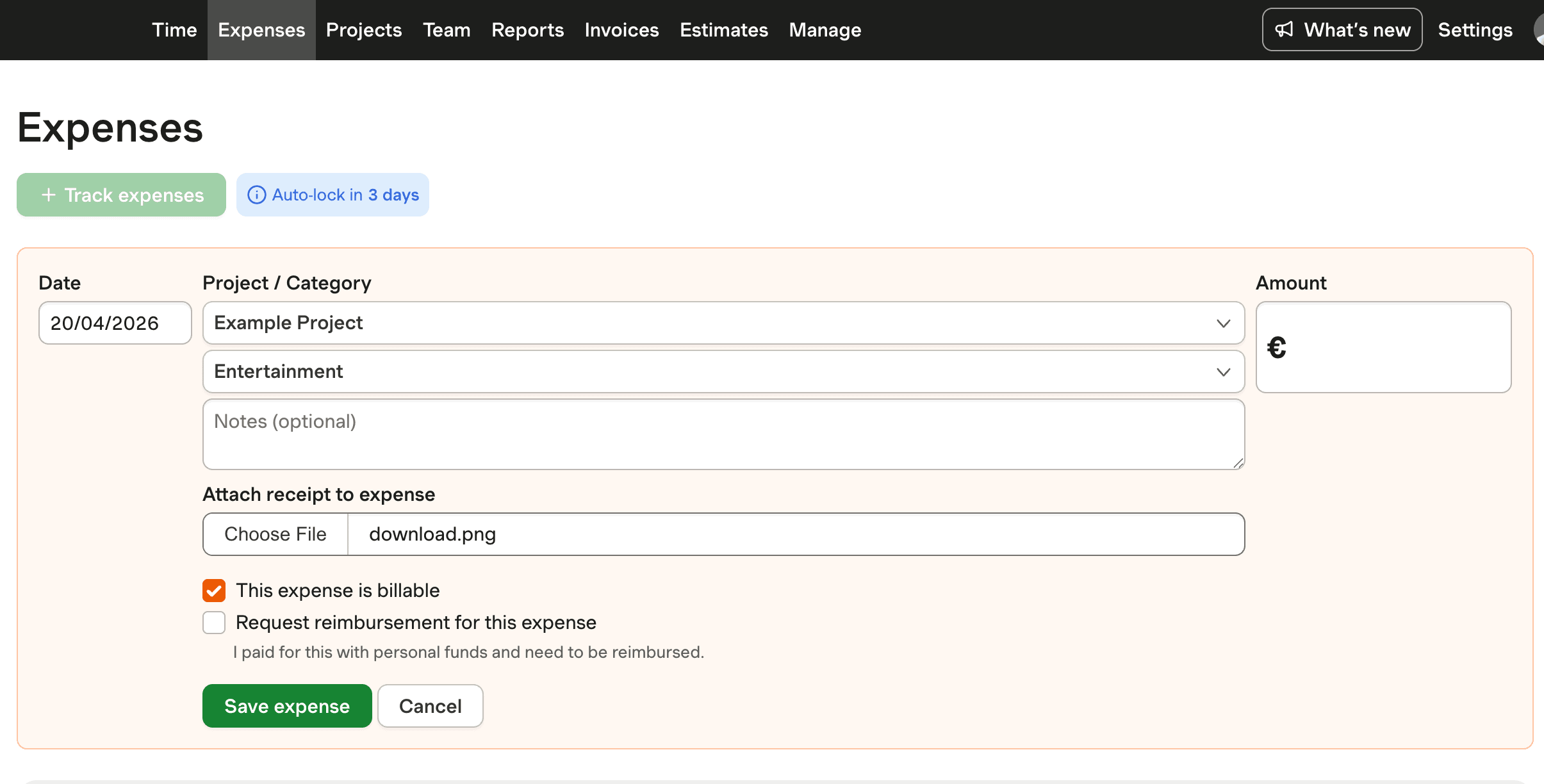
Harvest offers a straightforward solution for logistics companies seeking to manage expenses effectively. By allowing categorization of expenses such as fuel, tolls, and maintenance, Harvest supports high-volume, high-frequency expense tracking. This is crucial for logistics operations, where these costs significantly impact the bottom line. Additionally, Harvest facilitates complex employee expense tracking, enabling managers to input expenses on behalf of drivers and field employees, ensuring comprehensive financial oversight.

With Harvest, logistics companies can include expenses in project budgets, providing real-time visibility and helping to prevent budget creep. This capability is essential as logistics costs continue to rise, with companies able to achieve annual savings of 10% to 20% through effective cost optimization. By integrating expense management with time tracking and invoicing, Harvest ensures that logistics firms can maintain financial accuracy and efficiency across their operations.

Optimizing Logistics Expenses with Harvest

Logistics firms can optimize their expenses by leveraging Harvest’s capabilities to track and categorize costs efficiently. The platform allows for manual categorization by project and custom categories, which, while not automated, provides the flexibility needed to align with specific business needs. This is particularly beneficial given that transport and warehousing costs are significant components of logistics expenses, and precise tracking can lead to substantial savings.

Moreover, Harvest aids in the optimization of budgets by providing real-time insights into expense data. This transparency is key in avoiding budget creep and ensuring resources are allocated effectively. By using Harvest, companies can overcome common logistics challenges such as inventory misalignment and static routing, which can result in unnecessary storage and transport costs. The ability to track expenses in real-time and make data-driven decisions can enhance operational efficiency, aligning with the industry's shift towards proactive cost management.

Benefits of Automating Expense Management in Logistics

Automating expense management can lead to significant benefits for logistics companies. With the logistics automation market expected to grow substantially, driven by advancements in AI and IoT, companies adopting automation report a 25-30% increase in operational efficiency within the first year. Despite these advancements, over 80% of warehouses globally have yet to implement automation, highlighting a vast opportunity for improvement.

While Harvest does not offer automated reconciliation with ERP systems, it provides a robust framework for expense tracking that can be integrated with other business processes. This integration enhances visibility and supports data-driven decision-making, which is crucial for identifying bottlenecks and cost-saving opportunities. By digitizing expense capture and automating approval workflows, Harvest streamlines the process, freeing up valuable resources and allowing logistics companies to focus on strategic growth and efficiency.

Compliance and Strategic Cost Management in Logistics

Compliance with evolving regulations is a critical aspect of logistics expense management. The increasing pressure to reduce emissions and manage costs in line with sustainability regulations requires strategic planning. Efficient logistics cost management not only supports compliance but also fosters stronger supply chain partnerships, offering reliable service agreements amidst geopolitical tensions and tariff changes.

Harvest, while not providing specific compliance tools like VAT recovery, focuses on tracking expenses accurately, which is foundational for compliance reporting. By maintaining disciplined control over logistics expenses, companies can mitigate risks associated with trade compliance, such as delays and unexpected expenses. This strategic approach to expense management helps logistics firms navigate the complexities of global trade, ensuring resilience and competitiveness in a volatile market.

Harvest for Logistics Expense Management

See how Harvest tracks high-volume logistics expenses, helping prevent budget creep and enhance financial efficiency. Perfect for logistics firms.

Screenshot of Harvest expense tracking for logistics management.

Expense Management for Logistics FAQs

  • Logistics expense management involves dealing with high-volume expenses such as transportation, warehousing, and labor costs. Managing these effectively is crucial as logistics costs can account for a significant portion of a company's total expenses, reaching $2.6 trillion in 2024 in the U.S. alone.

  • Logistics companies can optimize expenses by implementing real-time tracking and data analytics, which help identify inefficiencies and cost-saving opportunities. Companies that prioritize cost optimization can achieve savings of 10% to 20% annually.

  • Compliance is vital in logistics expense management due to evolving regulations on sustainability and trade. Companies must strategically manage costs to meet these requirements, which helps prevent unexpected penalties and enhances supply chain partnerships.

  • Harvest helps logistics companies manage expenses by allowing categorization of high-volume costs like fuel and maintenance. It also provides real-time visibility into budgets, aiding in the prevention of budget creep.

  • Yes, Harvest supports expense tracking for drivers and field employees by enabling managers to input expenses on their behalf, ensuring comprehensive financial oversight.

  • Automation can significantly improve logistics expense management by increasing operational efficiency and reducing manual errors. Companies adopting automation have seen a 25-30% increase in efficiency within the first year.

  • Harvest does not automate expense categorization but allows for manual categorization by project and custom categories, providing flexibility to align with specific business needs.