
Harvest
Expenses
Sign up

Expense Report for Insurance Companies

Harvest simplifies expense tracking for insurance companies by offering customizable categories tailored to industry needs, ensuring compliance and efficiency.

EXPENSE REPORT DRAFT

Drop your receipts here or click to upload

Images and PDFs (max 10 MB each)

Date
Category
Merchant
Description
Amount
Total
$0.00

Customise report

Appearance

Show report title

Report settings

Understanding Expense Reporting for Insurance Companies

Expense reports are critical for insurance companies due to the industry's complex cost structures and stringent regulatory requirements. The need for detailed expense tracking is amplified by tight profit margins and fierce competition. For example, the combined ratio for the non-life insurance market has worsened, impacting net income and stressing the importance of meticulous expense management. By accurately documenting expenses, insurance firms can maintain profitability and ensure compliance with regulatory standards such as IRS guidelines.

Insurance companies must consider various factors when creating expense reports, including operational costs, client acquisition expenses, and complex commission structures. These challenges necessitate a robust system for tracking and categorizing expenses. Utilizing Harvest can simplify this process; its customizable expense tracking categories allow firms to tailor their expense management to specific needs, such as claims management and regulatory fees.
Leveraging Technology for Efficient Expense Management

The rise of technology in expense management offers significant advantages for insurance companies. With the potential to reduce operational expenses by up to 40%, adopting digital initiatives can lead to substantial savings. For instance, AI and machine learning can enhance productivity by 10-20%, while digital initiatives can save 10-25% in sales and operational costs. This technological transformation is crucial for insurance firms to stay competitive and efficient.

Harvest provides a platform to leverage technology effectively by automating tasks like receipt capture and expense categorization. While it doesn't offer real-time tracking or automated compliance reports, its integration with tools like QuickBooks Online allows seamless data management. This integration ensures accurate and timely expense reporting, reducing manual errors and enhancing overall efficiency.

Compliance and Best Practices in Expense Reporting

Compliance with regulatory standards is a top priority for insurance companies. The IRS requires specific documentation standards and timely submission of expense reports to avoid financial penalties. For example, expenses over $75 require receipts, and best practices suggest submission within 60 days. Non-compliance can lead to inflated taxable income and scrutiny from regulatory bodies.

To ensure compliance, insurance companies should establish formal expense policies, enforce strict documentation standards, and integrate with accounting systems. Harvest can assist in these areas by providing customizable expense categories and integration capabilities. Although it lacks automated compliance reporting, its manual tracking features support accurate documentation and audit readiness, essential for regulatory adherence.

Streamlining Expense Reporting with Harvest

Streamlining expense reporting is vital for insurance companies aiming to improve efficiency and competitiveness. By implementing effective expense management solutions, insurance firms can enhance financial oversight and reduce the risk of errors. For example, a structured expense management checklist helped a leading insurance firm accurately track daily transactions, preventing budget overruns.

Harvest offers a practical solution by allowing administrators to create custom expense categories, making it adaptable to the insurance industry's needs. While it doesn't integrate with insurance-specific software, its compatibility with platforms like QuickBooks Online ensures streamlined data transfer and consistent accuracy. By using Harvest, insurance companies can achieve better financial control and compliance with industry standards.

Common Mistakes and How to Avoid Them

Common mistakes in expense reporting include inadequate documentation, delayed submissions, and failure to adhere to compliance standards. These errors can lead to financial discrepancies and regulatory penalties. For instance, misclassifying operating expenses can inflate taxable income and reduce deductions, inviting IRS scrutiny.

To avoid these pitfalls, insurance companies should leverage technology to automate and streamline expense reporting processes. Harvest's customizable categories and integration capabilities support precise documentation and timely submission, helping firms maintain compliance. By following best practices and using efficient tools like Harvest, insurance companies can minimize errors and enhance their expense management strategies.

Harvest for Insurance Expense Reports

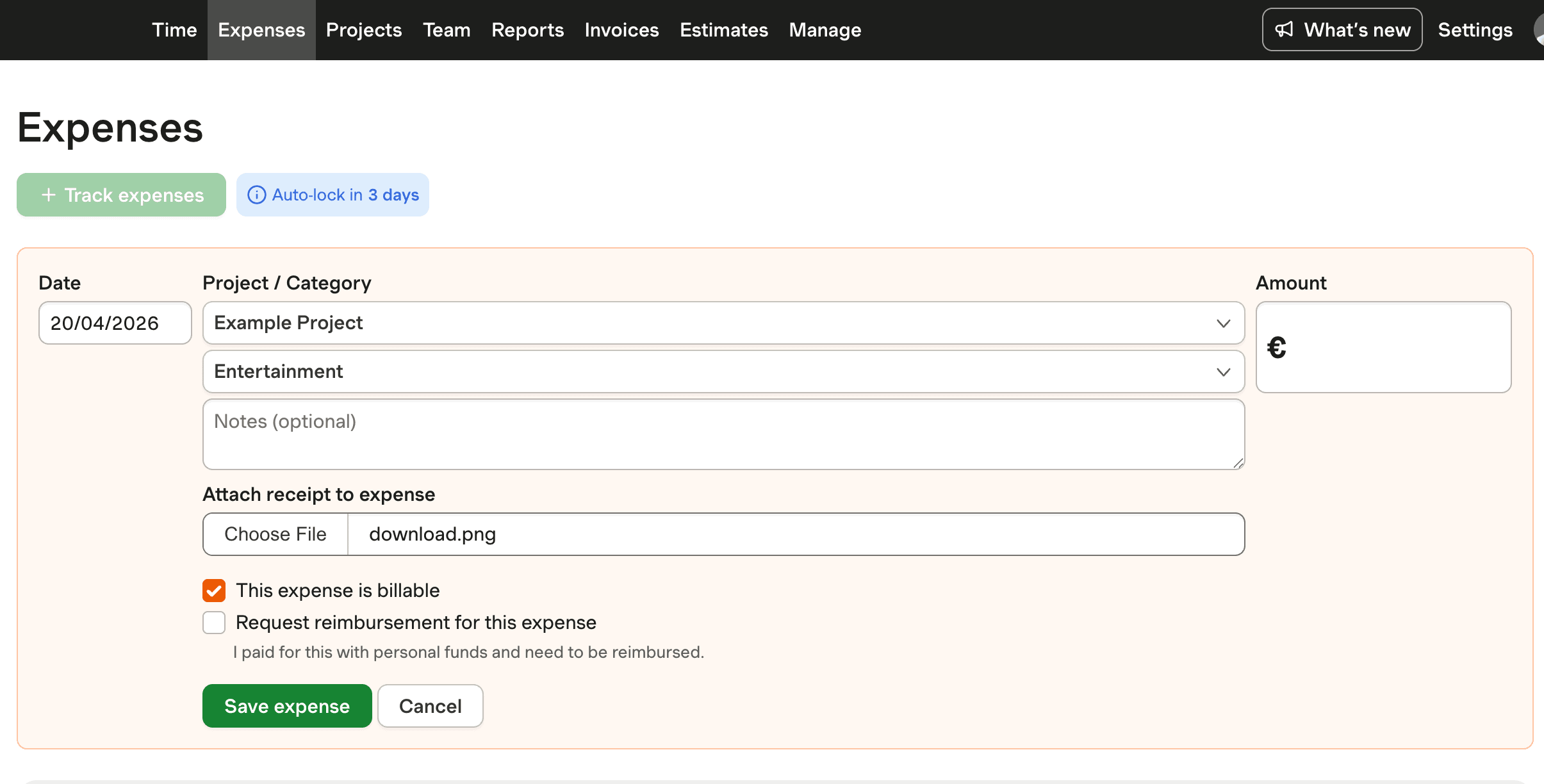
Harvest shows customizable expense categories for insurance companies, ensuring compliance and efficiency in financial management.

Harvest expense report interface for insurance companies

Expense Report for Insurance Companies FAQs

  • An insurance company expense report should include operational costs, client acquisition expenses, regulatory fees, and commissions. It's important to document each expense with receipts and a clear business purpose to ensure compliance and accuracy.

  • Insurance expense reports must adhere to IRS guidelines, including receipt documentation for expenses over $75 and timely submission within 60 days. Non-compliance can lead to penalties and inflated taxable income.

  • Technology streamlines expense reporting by automating tasks such as receipt capture and categorization. Tools like Harvest integrate with accounting software, reducing errors and improving efficiency. AI can further enhance productivity and cost savings.

  • Common mistakes include inadequate documentation, delayed submissions, and non-compliance with regulations. These can lead to financial discrepancies and penalties. Leveraging tools like Harvest helps avoid these issues by providing structured expense management.

  • Harvest supports insurance companies by offering customizable expense categories that cater to industry needs such as claims management. Its integration with accounting platforms ensures accurate and efficient financial reporting.

  • Harvest integrates with popular platforms like QuickBooks Online, allowing seamless data transfer and consistent accuracy across systems. This integration ensures efficient and accurate financial management for insurance companies.

  • Using Harvest for expense management offers benefits like customizable expense tracking, integration with accounting tools, and improved documentation accuracy. These features help insurance companies maintain compliance and enhance financial oversight.