
Harvest
Expenses
Sign up

Monthly Mileage Tracker

Harvest simplifies mileage tracking by integrating it with expense management, reducing manual entry errors and ensuring accurate reporting for businesses.

EXPENSE REPORT DRAFT

Drop your receipts here or click to upload

Images and PDFs (max 10 MB each)

Date
Category
Merchant
Description
Amount
Total
$0.00

Customise report

Appearance

Show report title

Report settings

Why Accurate Monthly Mileage Tracking Matters

Accurate monthly mileage tracking is essential for businesses and freelancers alike, especially when it comes to maximizing tax deductions and ensuring compliance with IRS regulations. With the manual tracking methods prone to errors—88% of spreadsheets containing inaccuracies—the risk is high. Employees often overestimate their mileage by up to 15%, leading to potential disputes and non-compliance issues. Additionally, manual tracking can cost drivers an entire 40-hour workweek annually. This inefficiency highlights the need for a reliable system to streamline and verify mileage records.

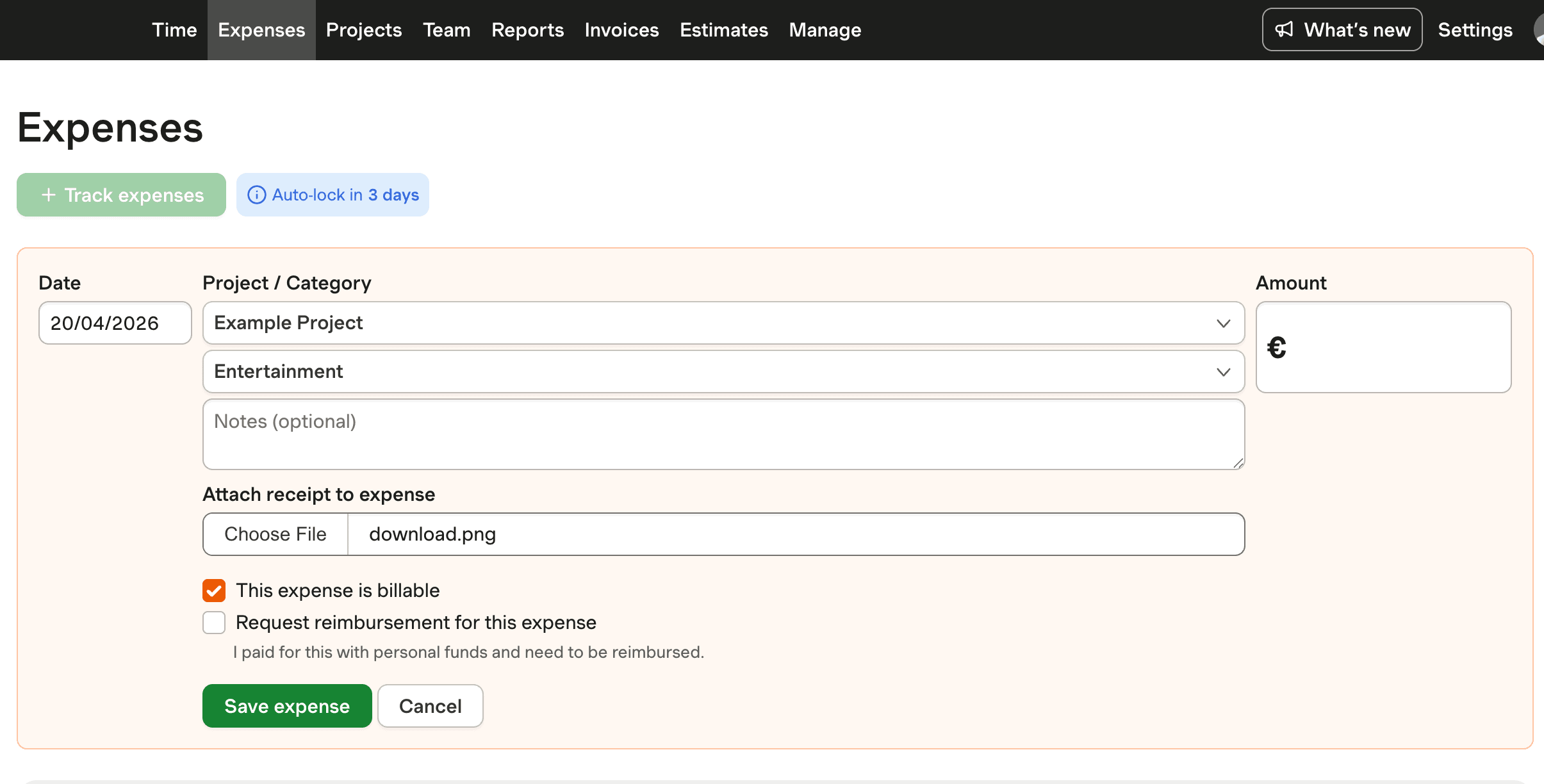
Harvest offers a practical solution by integrating mileage tracking with its expense management module. Unlike manual methods, Harvest allows users to set a per-mile rate for straightforward mileage entries, ensuring accurate and consistent tracking. This integration helps businesses manage mileage expenses more effectively, supporting both invoicing and reimbursement processes.
Streamlining Mileage Expense Management with Harvest

Managing mileage expenses can be cumbersome, but with Harvest, businesses can seamlessly integrate mileage tracking into their existing expense management workflows. The platform's robust features allow users to categorize mileage alongside other expenses, providing a comprehensive view of all project-related costs.

Harvest's monthly reporting capabilities make it easy to summarize and export mileage data, crucial for businesses aiming to maintain transparency and accuracy. By integrating mileage tracking with expense reporting, users can produce detailed summaries that are vital for financial oversight and tax preparation. This feature is particularly beneficial for teams needing to track and invoice mileage expenses efficiently.

Addressing Common Mileage Tracking Challenges

One of the biggest challenges in mileage tracking is ensuring compliance with IRS requirements. While Harvest does not offer IRS-compliant automated features, it simplifies manual entry processes for mileage tracking. This approach allows users to maintain essential details such as trip dates, purposes, and mileage, supporting compliance efforts.

Moreover, Harvest addresses the issue of manual entry errors, a common pitfall in mileage tracking. By providing a structured interface for entering mileage, users can minimize inaccuracies in their logs. This manual approach, while not automated, ensures that businesses can rely on their mileage data for accurate expense management and reporting, reducing the risk of discrepancies and non-compliance.

The Role of Technology in Evolving Mileage Tracking

The landscape of mileage tracking is rapidly evolving, driven by technological advancements. The global market for mileage tracker applications is expected to grow significantly, from USD 250 million in 2023 to an estimated USD 620 million by 2032. This growth is fueled by the increasing demand for accurate and efficient tracking solutions that reduce human error and administrative burdens.

While Harvest does not yet offer GPS-based tracking, its integration with expense management systems positions it as a valuable tool for businesses looking to streamline their mileage tracking processes. As organizations continue to adopt digital solutions, Harvest remains a key player by providing a reliable platform for managing mileage expenses, ultimately supporting better financial decision-making.

Track Mileage with Harvest

Harvest's monthly mileage tracking integrates with expense management for streamlined reporting and accurate invoicing.

Harvest mileage tracking interface showcasing monthly tracking features.

Monthly Mileage Tracker FAQs

  • To track mileage for tax deductions, maintain a log that includes the date, starting and ending locations, business purpose, and total miles driven. Using a tool like Harvest can help you integrate this data with expense tracking for efficient reporting.

  • Look for features such as easy data entry, integration with expense management systems, and detailed reporting capabilities. Harvest provides manual entry with expense integration, making it a reliable choice for businesses.

  • Ensure your mileage log includes all necessary details: trip dates, starting and ending locations, business purposes, and total miles. Harvest facilitates manual tracking, helping you maintain these records accurately for compliance.

  • Apps that integrate mileage tracking with expense reporting, like Harvest, are considered top choices. They provide comprehensive data management and facilitate accurate invoicing and tax reporting.

  • While Harvest offers a fully integrated tracking solution, free templates are available online for those preferring manual methods. However, using a digital tool can significantly reduce errors and save time.

  • Harvest allows users to manually enter mileage and categorize it within its expense management module. This integration streamlines the process of tracking, reporting, and invoicing mileage expenses.

  • Yes, Harvest provides detailed reporting capabilities that allow users to filter and export mileage data for monthly summaries, aiding in accurate financial oversight and tax preparation.