
Harvest
Expenses
Sign up

Keeping Track of Mileage for Taxes

Harvest helps small businesses track mileage expenses manually, ensuring records are kept for audit purposes and maximizing tax deductions.

  • Attach receipts to projects & tasks
  • Turn tracked expenses into client invoices
  • Free 30-day trial, no credit card needed

or drag & drop • Images and PDFs, max 10 MB

Understanding IRS Mileage Tracking Requirements

Accurate mileage tracking is essential for tax compliance and maximizing deductions. The IRS requires that mileage logs detail the date of travel, starting and ending locations, the business purpose, and total miles driven. It's crucial to maintain these records for at least three years from filing your tax return, with some advisors recommending up to seven years for added security.

Manual entry methods, such as spreadsheets, are prone to error, with 88% containing inaccuracies. To mitigate these risks, consider digital solutions that streamline the recording process and ensure compliance. While Harvest offers basic project-based mileage tracking, it is best suited for those seeking to manually input mileage expenses and maintain records for audit purposes.
Maximizing Tax Deductions with Proper Mileage Tracking

The standard mileage rate for business use has seen recent increases, reaching 72.5 cents per mile by 2026. This rate presents a significant opportunity for tax deductions, underscoring the importance of meticulous record-keeping. Businesses can choose between the standard mileage rate or actual vehicle expenses methods for deductions, each requiring precise documentation.

Harvest can aid in tracking expenses related to mileage, though users need to manually input these entries. By maintaining detailed records, businesses can ensure they claim all eligible expenses and stay compliant with IRS requirements. Automated systems can save an average of 42 hours annually, but Harvest provides a straightforward, manual entry solution for small teams.

Overcoming Common Mileage Tracking Challenges

Many businesses struggle with maintaining accurate mileage logs, often due to reliance on memory or outdated methods. Common mistakes include failing to differentiate between business and personal mileage and neglecting to record all necessary log details. With 56% of company car drivers uninformed about tax rules, awareness is a significant hurdle.

Harvest allows mileage expenses to be tracked as part of broader project costs, helping businesses manage travel-related spending more effectively. By incorporating mileage tracking into their overall expense management strategy, businesses can avoid common pitfalls and ensure compliance. However, it's important to note that Harvest requires manual entry, which emphasizes the need for disciplined record-keeping practices.

Integrating Mileage Tracking into Business Operations

Seamless integration of mileage tracking with existing business processes can significantly enhance efficiency. Automated systems that sync with expense management platforms simplify reporting and reduce administrative burdens. Although Harvest does not offer automated mileage tracking, it provides a framework for recording mileage expenses within a project-based context.

By leveraging Harvest's expense tracking capabilities, businesses can consolidate all travel-related costs, enabling more accurate budget control and reconciliation. This integration facilitates compliance and ensures timely, accurate reimbursement processes, key for maintaining financial health and operational efficiency.

Harvest for Mileage Tracking

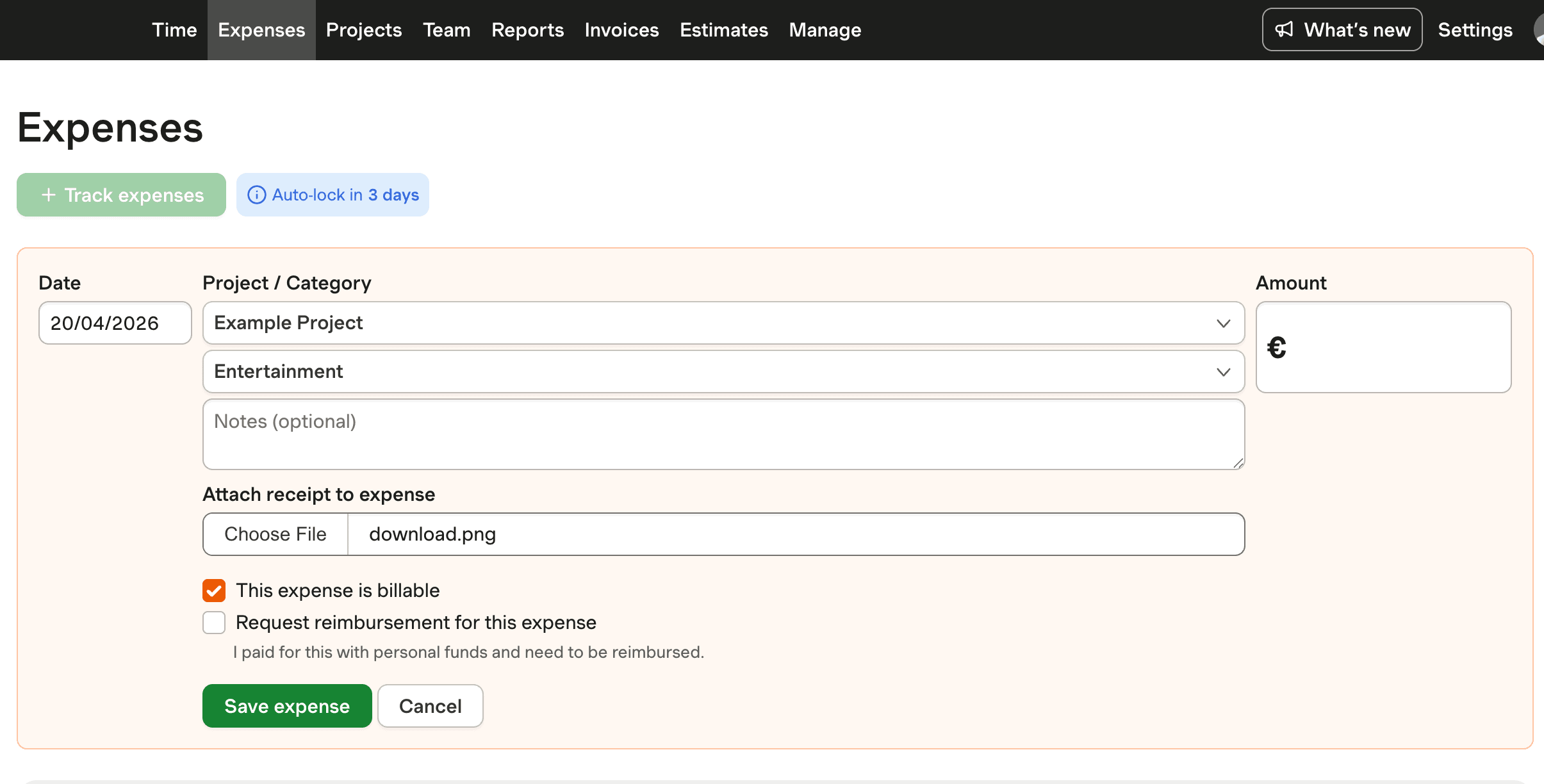
See how Harvest helps small businesses track mileage expenses manually, ensuring compliance and maximizing tax deductions.

Harvest interface for manual mileage expense entry

Keeping Track of Mileage for Taxes FAQs

  • To track mileage for taxes, you can use manual methods like spreadsheets or notebooks, or digital apps for automatic logging. Harvest offers manual entry for mileage expenses, ideal for basic project tracking needs.

  • IRS-compliant mileage logs must include the date of travel, starting and ending locations, business purpose, and total miles driven. Harvest allows users to input mileage as an expense category, though manual details must be added separately.

  • The IRS requires mileage records to be kept for at least three years from the date of the tax return. It’s often advised to retain them for up to seven years for additional protection.

  • To qualify for mileage deductions, the IRS mandates detailed and contemporaneous records of business travel, including dates, locations, and mileage. This ensures compliance and maximizes your tax benefits.

  • Accurate mileage tracking is crucial for tax compliance to substantiate deductions and avoid penalties. Errors in logs can lead to disallowed deductions and potential tax liabilities.

  • Yes, there are many digital tools available that automate mileage tracking, saving time and reducing errors. While Harvest requires manual entry, it offers a simple way to track these expenses for small teams.

  • The standard mileage rate for business use in 2024 is set at 67 cents per mile, which can be used for calculating tax deductions for business travel.