
Harvest
Expenses
Sign up

Expense Tracker in Persian

Harvest offers a flexible expense tracking solution with customizable categories, addressing the unique financial practices of Persian users despite lacking local calendar support.

EXPENSE REPORT DRAFT

Drop your receipts here or click to upload

Images and PDFs (max 10 MB each)

Date
Category
Merchant
Description
Amount
Total
$0.00

Customise report

Appearance

Show report title

Report settings

The Rise of Digital Financial Management in Iran

The financial landscape in Iran is rapidly evolving, with a significant transformation towards electronic payments. In 2020, the transaction volume within Iran's fintech payment segment reached approximately $166.8 billion, highlighting the increasing shift towards digital financial solutions. Despite this growth, Iran remains predominantly a cash-based economy due to international sanctions that limit the use of foreign credit and debit cards. This creates a unique environment where digital tools, like expense trackers, can play a crucial role in personal finance management.

With around 0.9 million Iranians using personal financial management tools, there's a growing interest in digital oversight of finances. This shift is partly driven by the desire to avoid carrying large amounts of cash and the need to access local online services. For both individuals and businesses, adopting digital expense trackers can enhance financial control and reduce the reliance on cash, which is a significant benefit in such a cash-centric economy.
Challenges in Expense Tracking for Persian Users

One of the main challenges for Persian users seeking to manage their expenses digitally is the lack of localized features in many global apps. Users often look for functionalities like the Shamsi calendar, which is integral to financial planning in Iran. Moreover, integration with local banking systems is highly sought after for seamless transactions, but international sanctions complicate these integrations, limiting the effectiveness of many foreign apps in the region.

Another significant concern is managing debts and loans, a feature that few expense tracking apps cater to specifically for Persian users. While many apps offer basic expense tracking capabilities, they often do not provide the comprehensive tools needed to manage complex financial scenarios involving loans and recurring debts. These gaps highlight the need for customizable solutions that can adapt to the unique financial practices of Persian users.

How Harvest Can Enhance Your Expense Tracking

While Harvest may not currently support the Shamsi calendar or integrate with local banking systems, it offers a robust expense tracking platform with customizable categories. This flexibility allows users to tailor their expense tracking experience to fit their specific financial practices. For instance, administrators can create custom categories that align with Persian financial customs, making it easier to track and manage finances effectively.

Harvest's focus on detailed time and expense reports enables users to gain insights into their spending patterns. Although these reports are not specifically tailored for Persian users, they provide comprehensive data that can be invaluable for financial analysis and planning. By leveraging Harvest's robust reporting features, users can better understand their financial habits and make informed decisions to optimize their budgeting and spending strategies.

Overcoming Manual Expense Tracking Challenges

Manual expense tracking can lead to numerous issues, such as data entry errors, processing delays, and difficulties during audits. In Iran, where cash transactions are prevalent, these challenges are amplified. Small, recurring expenses, such as daily purchases or subscription services, are often overlooked, accumulating over time and impacting overall budgeting efforts.

Using a digital expense tracker like Harvest can significantly reduce these manual tracking issues. By providing a centralized platform for recording and categorizing expenses, Harvest helps ensure accuracy and efficiency in financial management. This transition from paper-based methods to digital tools not only saves time but also enhances the reliability of financial data, ultimately aiding in more effective budgeting and financial oversight.

Expense Tracking with Harvest

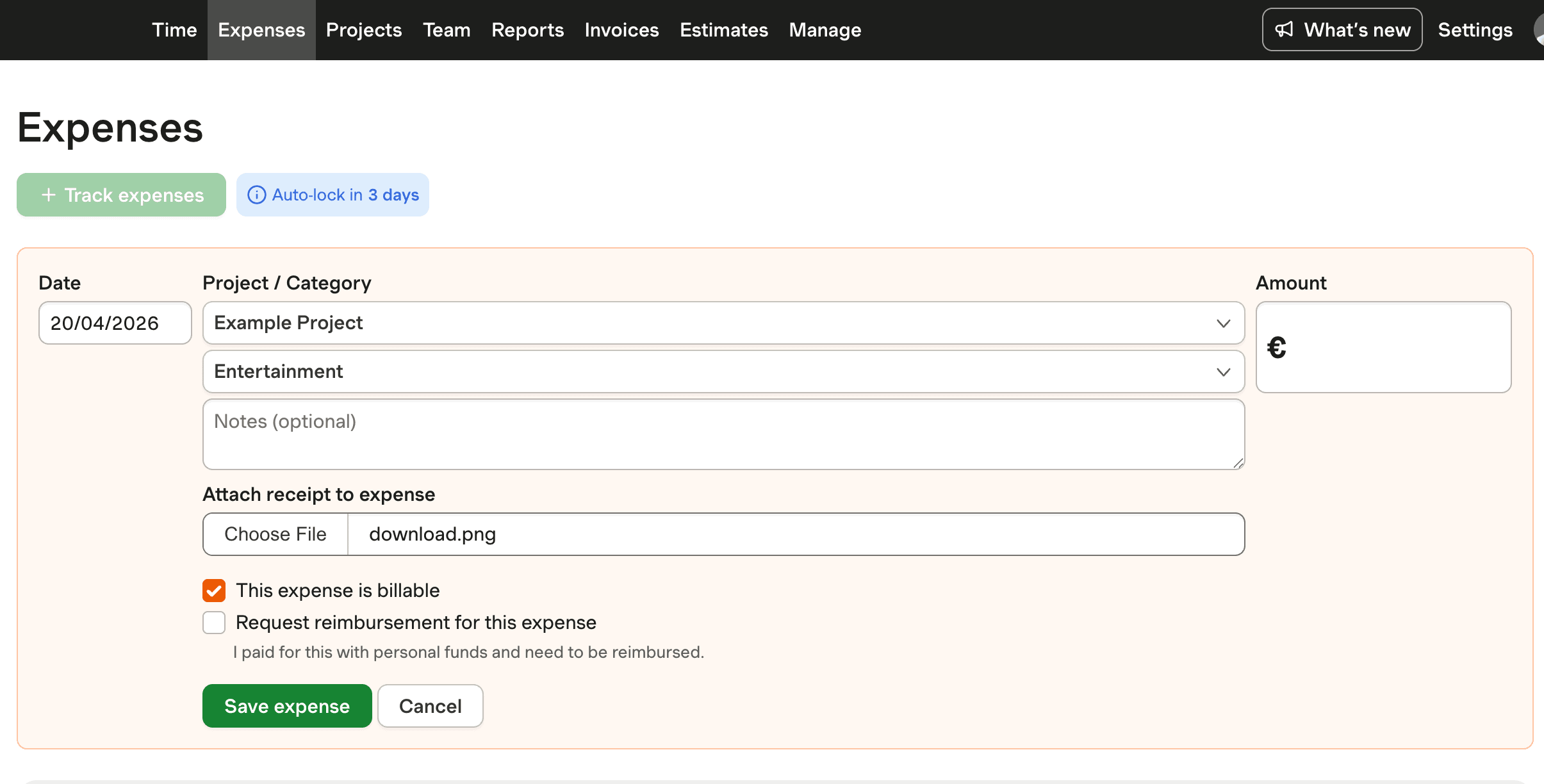
See how Harvest's customizable categories support Persian financial practices for effective expense management.

Harvest expense tracking interface with Persian customization options.

Expense Tracker in Persian FAQs

  • While many expense trackers lack Shamsi calendar support, they offer other customizable features. Harvest allows users to create custom categories to align with their financial practices, though it doesn't support the Shamsi calendar directly.

  • Expense trackers can help monitor spending and identify areas for savings, but most do not directly manage loans and debts. Users typically track these manually or use specialized financial tools alongside their expense tracker.

  • User reviews for Persian expense tracker apps often highlight the need for localized features like Shamsi calendar support and local banking integration. Customizable apps like Harvest receive positive feedback for their adaptability to specific user needs.

  • Most Persian expense tracking apps can be downloaded from app stores. After downloading, users typically need to set up accounts, customize categories, and input their financial data to start tracking expenses effectively.

  • Expense trackers help identify and manage recurring expenses, such as subscriptions, by categorizing them. Harvest's customizable categories allow users to easily track these types of recurring expenses.

  • In cash-based economies like Iran, Harvest helps by providing a centralized digital platform for recording and categorizing cash transactions, reducing errors and improving budgeting accuracy.