
Harvest
Expenses
Sign up

Bluetooth Mileage Tracker

Manual mileage tracking often leads to errors and lost time. Harvest integrates mileage tracking with expenses for accurate, streamlined reimbursements.

  • Attach receipts to projects & tasks
  • Turn tracked expenses into client invoices
  • Free 30-day trial, no credit card needed

or drag & drop • Images and PDFs, max 10 MB

The Shift to Automated Mileage Tracking

The transition from manual to automated mileage tracking represents a significant evolution in business expense management. Studies have shown a shift towards passive, automatic tracking methods due to the high error rate and time consumption associated with manual logs. In fact, manual mileage claims can be overreported by up to 29%, leading to substantial financial leakage for businesses. Automated systems address this issue by ensuring accurate, consistent records without human oversight.

However, while many seek Bluetooth-enabled solutions for seamless automatic recording, Harvest offers a reliable approach through its manual entry system. By integrating mileage tracking with expense tracking features, Harvest provides a streamlined process for reimbursement, ensuring accuracy and compliance with IRS documentation requirements. This integration is crucial for businesses looking to maintain precise records without the complexity of additional Bluetooth setups.
Understanding the Financial Impact of Mileage Tracking

Accurate mileage tracking is more than a tax requirement; it's a financial management tool that can significantly influence business profitability. With the IRS adjusting the standard mileage rate to 70 cents per mile in 2025, accurate logs are essential for maximizing deductions and understanding true business costs. Automated tracking solutions save drivers an average of 42 hours annually, redirecting time to more valuable activities and reducing administrative burdens.

While Bluetooth technology offers convenience, Harvest focuses on integrating mileage tracking into broader expense management systems. This approach ensures that businesses not only comply with tax regulations but also gain insights into profitability, helping them make informed financial decisions. Harvest’s manual tracking method is ideal for project-based expense management, providing a simple yet effective way to capture and analyze mileage data.

Compliance and Documentation: Meeting IRS Standards

Compliance with IRS standards for mileage tracking is non-negotiable for businesses aiming to claim deductions. The IRS requires specific, contemporaneous records, including trip dates, distances, and business purposes. Failure to provide these can lead to denied deductions and potential penalties. Automated systems can generate IRS-compliant logs effortlessly, reducing the risk of non-compliance.

While Bluetooth-enabled devices offer attractive features, they are not always necessary for IRS compliance. Harvest provides a manual entry solution that integrates with its expense tracking features, ensuring all necessary documentation is captured accurately. This approach not only meets compliance needs but also facilitates seamless integration with other business systems, enhancing overall financial management.

Enhancing Business Efficiency with Integrated Tracking

Integrating mileage tracking with other business processes can significantly enhance efficiency and accountability. Real-world examples show that businesses adopting automated mileage tracking systems can achieve substantial savings. For instance, a company saved £8.5 million by optimizing routes and improving driving behavior through automated tracking.

Although Harvest does not offer Bluetooth integration, its manual mileage tracking system effectively synchronizes with expense reporting platforms and accounting software like QuickBooks. This integration streamlines financial management, ensuring accurate reimbursements and reducing administrative workloads. By focusing on manual integration, Harvest enables businesses to maintain precise control over their expense management processes.

Track Mileage with Harvest

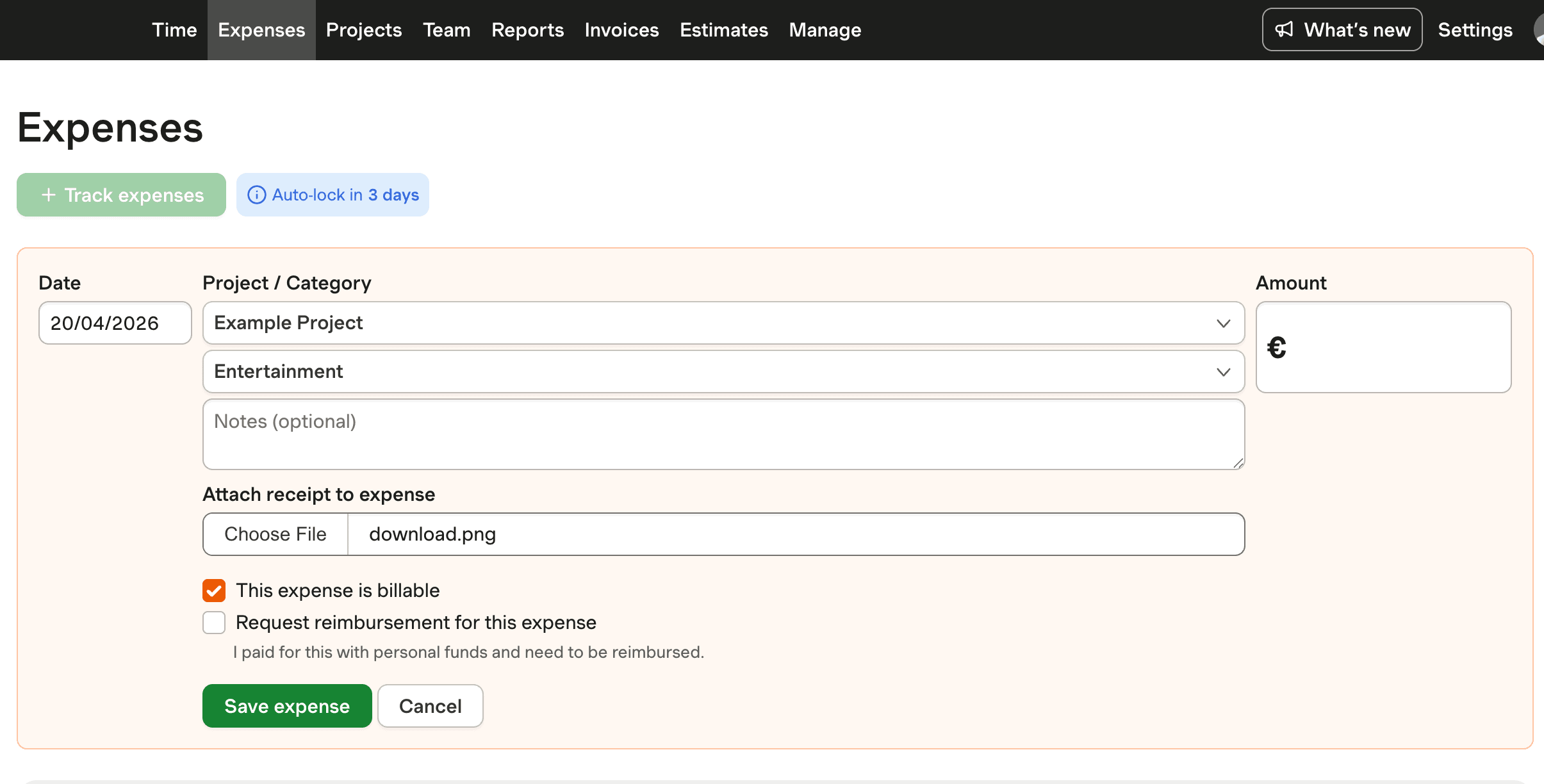
See how Harvest integrates mileage tracking with expense management for accurate, efficient reimbursements.

Screenshot of Harvest's mileage tracking interface.

Bluetooth Mileage Tracker FAQs

  • Bluetooth technology enables automatic trip recording, reducing manual input and errors. It connects your smartphone to your vehicle, logging trips seamlessly. This passive tracking saves time and ensures accuracy, critical for IRS compliance and maximizing deductions.

  • A good mileage tracker should offer automatic trip recording, IRS-compliant logs, integration with expense systems, and user-friendly interfaces. Features like categorization and reporting enhance usability, providing valuable business insights.

  • Privacy concerns arise when mileage tracking occurs outside of work hours or without user consent. Many apps allow users to set tracking modes to activate only during business hours, protecting privacy while ensuring accurate records.

  • Set up involves pairing your smartphone with your vehicle’s Bluetooth. Activate the tracking app, enabling settings like "Car Bluetooth Monitoring" to start automatic trip logging. Ensure mobile data is active for seamless operation.

  • Harvest simplifies mileage tracking by integrating it with its expense management system, allowing for easy manual entry and streamlined reimbursements. This ensures accurate records and compliance with tax regulations.

  • Manual tracking, like Harvest's approach, offers simplicity and reliability without the need for complex setups. It's ideal for businesses seeking accurate, IRS-compliant logs without relying on Bluetooth technology.