
Harvest
Expenses
Sign up

Expense Tracker Python

Harvest offers a project-based expense tracking module that integrates with time tracking and invoicing, ideal for small-to-medium businesses seeking a streamlined solution.

  • Attach receipts to projects & tasks
  • Turn tracked expenses into client invoices
  • Free 30-day trial, no credit card needed

or drag & drop • Images and PDFs, max 10 MB

Building an Expense Tracker with Python

Creating an expense tracker using Python offers both flexibility and insights into your financial data. Python, with its powerful libraries, allows for the development of robust applications that can categorize, analyze, and visualize expenses effectively. Leveraging libraries like Pandas for data manipulation and Matplotlib for visualization can help translate raw financial data into meaningful insights. This shift towards automated and digital solutions is essential, as 72% of organizations have automated their expense reporting processes, reducing errors by 43%.

Data structuring is crucial when building an expense tracker. Python excels in this area, enabling developers to create customizable solutions tailored to their specific needs. For example, Python can automate repetitive tasks, reducing the manual workload and minimizing errors, which is vital since manual tracking can lead to businesses losing track of up to 20% of their spending. By using Python, you can significantly cut down on the time spent on these processes, transforming tasks that might take hours into mere minutes.
Essential Python Libraries for Expense Tracking

Utilizing the right Python libraries is key to building a successful expense tracker. Libraries such as Pandas are indispensable for managing and analyzing expense data. They allow users to perform operations like filtering expenses by category and computing totals, which are essential for identifying spending patterns and areas for cost-saving. In addition, Matplotlib can be used to create visualizations like bar charts and pie charts to help users visualize their spending data.

Python's ability to handle large datasets efficiently makes it an ideal choice for financial applications. Unlike traditional tools like Excel, which can become cumbersome with large volumes of data, Python's capabilities streamline data processing and visualization. This is particularly important in today's data-driven world, where 63% of mid-market organizations cite manual data entry as a primary challenge in expense reporting.

Streamlining Expense Management with Harvest

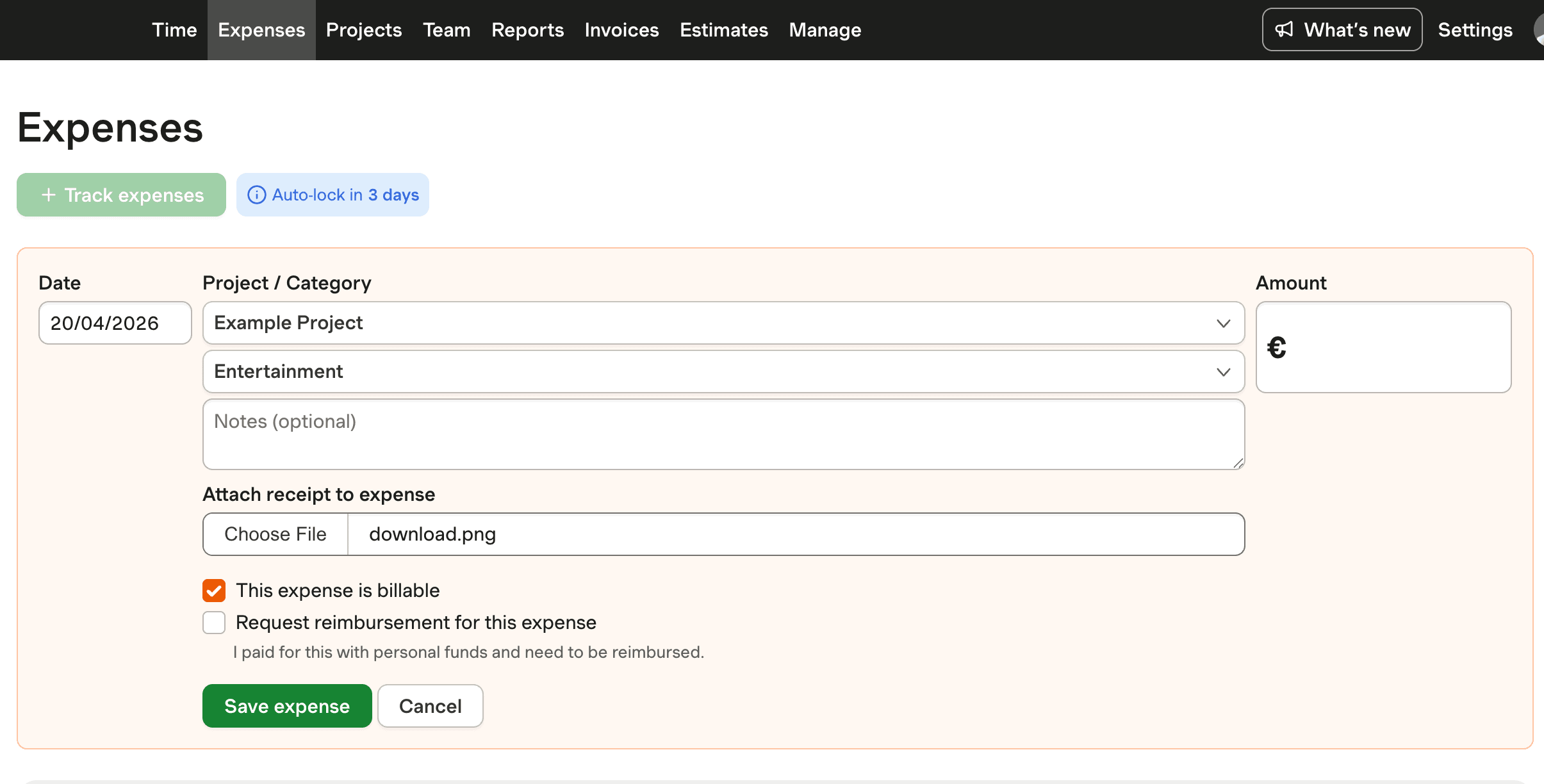
For those looking to integrate a ready-made solution, Harvest offers a project-based expense tracking module that seamlessly integrates with time tracking and invoicing. This makes it an excellent choice for small-to-medium businesses seeking a straightforward approach to managing expenses. Harvest provides a structured way to track expenses by date, project, and category, ensuring you maintain organized and accurate records.

While Harvest doesn't offer automated receipt parsing or built-in visualizations, it allows users to manually upload receipts and export data for further analysis. This manual approach ensures compliance and accuracy, which are crucial in avoiding costly errors and potential compliance issues. Organizations that implement automated solutions like Harvest can reduce expense processing costs by up to 78% per transaction, demonstrating the value of integrating such tools into your financial operations.

Integrating Python Scripts with Harvest

For developers wanting to leverage Python's capabilities with their existing Harvest setup, Python scripts can be used to further enhance data analysis and reporting. By exporting data from Harvest, users can use Python to create advanced visualizations and perform in-depth analyses that are not natively supported by the Harvest platform. This hybrid approach allows users to benefit from Harvest's robust tracking infrastructure while utilizing Python's analytical power.

Businesses that automate their expense management processes often see substantial benefits, including a reduction in manual errors and a faster month-end close. For instance, tasks that took 22 hours can be reduced to just 2 hours with the right tools. Harvest's integration capabilities offer an excellent foundation for businesses looking to streamline their expense management while still allowing for custom analytics through Python.

Expense Tracker Python with Harvest

Explore how Harvest integrates with Python for efficient expense tracking, offering a structured way to track expenses by project and category.

Harvest expense tracking module interface for Python application integration.

Expense Tracker Python FAQs

  • Pandas and Matplotlib are essential libraries for building an expense tracker in Python. Pandas helps in managing and analyzing data, while Matplotlib facilitates the creation of visualizations like bar and pie charts.

  • Python is preferred for financial data analysis due to its ability to handle large datasets efficiently. It provides powerful libraries for data manipulation and visualization, crucial for gaining insights from financial data.

  • Harvest offers a structured expense tracking module that integrates with time tracking and invoicing. It allows businesses to efficiently track expenses by date, project, and category, facilitating better financial management.

  • Integrating Python with Harvest allows users to leverage Python's analytical capabilities while benefiting from Harvest's robust tracking infrastructure. This combination enhances data analysis and reporting.

  • Companies face challenges like data entry errors and lost receipts with manual expense tracking. Automating these processes can reduce errors by 43% and cut down processing time significantly.

  • Automating expense management can reduce processing costs by up to 78% per transaction. This efficiency not only saves money but also reduces the time spent on manual processing.