
Harvest
Expenses
Sign up

Fleet Expense Management

Facing rising operational costs? Harvest offers robust expense tracking to help businesses streamline project-related expenses and enhance financial insights.

EXPENSE REPORT DRAFT

Drop your receipts here or click to upload

Images and PDFs (max 10 MB each)

Date
Category
Merchant
Description
Amount
Total
$0.00

Customise report

Appearance

Show report title

Report settings

Understanding Fleet Expense Management

Fleet expense management is a critical discipline for organizations with vehicle fleets, focusing on tracking, analyzing, and controlling costs to enhance profitability and operational efficiency. With operational costs reaching $2.26 per mile for a single truck in 2024, it's essential for fleet managers to adopt strategic approaches. The rise in costs is largely due to inflationary pressures, impacting 79% of US fleets as of 2024, up from 44% in 2021. Effective fleet expense management can help mitigate these challenges by systematically addressing fuel, maintenance, and operational expenses.

Technological advancements play a pivotal role in modern fleet management. Over 80% of fleets have adopted digital management solutions, with GPS tracking becoming widespread, reaching 80% adoption by 2025. This shift not only reduces fuel costs by an average of 9% but also cuts accident-related expenses by 15% and labor costs by 10%. By leveraging these technologies, fleet managers can improve operational efficiency and achieve significant cost savings, making fleet expense management an integral aspect of business strategy.
Challenges in Fleet Expense Management

Fleet managers often face numerous challenges, from rising operational costs to outdated manual systems. A striking 60% of fleets are still managed using spreadsheets, leading to inefficiencies and data gaps. Additionally, fuel theft and fraud pose significant threats, costing the transportation industry over $1.2 billion annually, with commercial fleets losing 15-25% of their fuel budget to such issues.

Addressing these challenges requires a shift towards comprehensive fleet management systems that centralize data and automate processes. Implementing optimized fuel card programs can also help control spending and prevent fraud, offering protections up to $250,000. By adopting these solutions, fleets can streamline operations, reduce costs, and enhance transparency in expense management.

The Role of Technology in Reducing Fleet Costs

Technology is revolutionizing fleet expense management, offering substantial cost savings and efficiency improvements. With 47% of GPS users seeing positive returns within 12 months, the adoption of telematics and digital management tools is crucial. These technologies help fleets reduce fuel costs by 9%, accident costs by 15%, and labor costs by 10% through improved routing and automated processes.

Moreover, the integration of telematics into fleet operations boosts productivity, with 55% of users reporting enhanced efficiency. Real-time data from these systems enables better decision-making, leading to optimized routes and reduced drive times. Harvest, while not specifically designed for fleet management, offers robust expense tracking capabilities that can complement these technologies by providing detailed financial insights for project-based expenses.

Optimizing Fleet Operations with Data Analytics

Data analytics is a vital component in optimizing fleet operations, allowing managers to make informed decisions based on real-time insights. By tracking key performance indicators (KPIs) such as cost per mile and fuel consumption, fleet managers can identify inefficiencies and adjust operations accordingly. Advanced analytics can lead to significant cost savings, with average reductions of 16% in fuel expenses reported by fleets using GPS systems.

While Harvest does not offer advanced analytics specifically for fleet expenses, it excels in providing detailed expense reports that help businesses track project-related costs. By integrating Harvest's expense tracking with fleet management systems, organizations can gain a comprehensive view of their financial health and make data-driven decisions to enhance overall efficiency.

Implementing Effective Fleet Management Strategies

Successful fleet management hinges on implementing effective strategies that focus on cost control and efficiency. Prioritizing preventive maintenance can reduce repair costs by 25-35%, while strategic route planning and vehicle utilization can further optimize operations. Using advanced GPS tracking, fleets can identify the most efficient routes, improving productivity and reducing operational costs.

Though Harvest doesn't specialize in fleet-specific strategies, its robust expense tracking capabilities can aid in managing project-related expenses, supporting businesses in maintaining financial discipline across operations. By combining Harvest's expense management with comprehensive fleet management systems, organizations can achieve greater cost efficiency and operational excellence.

Fleet Expense Management with Harvest

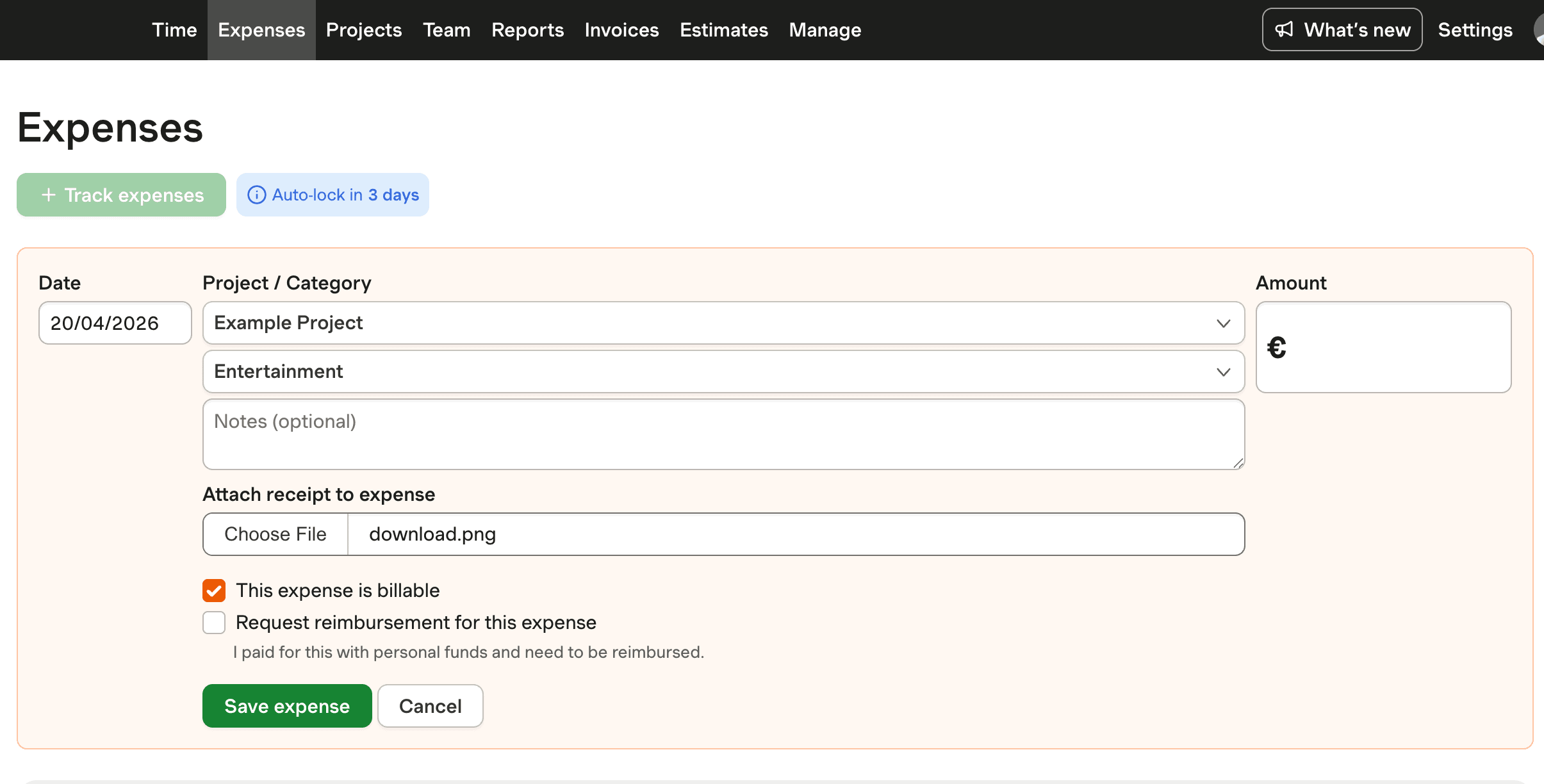
The preview showcases how Harvest tracks project-related expenses, aiding in efficient fleet expense management.

Screenshot of Harvest's expense tracking dashboard for fleet management context.

Fleet Expense Management FAQs

  • Fleet expense management involves tracking, analyzing, and controlling costs related to vehicle operations. Key components include fuel consumption, maintenance, and overall operational expenses. Implementing technology like GPS tracking can lead to cost savings, with fleets reporting average reductions of 9% in fuel costs and 15% in accident costs.

  • To reduce fuel and maintenance costs, consider adopting GPS tracking and telematics systems, which improve route efficiency and monitor vehicle performance. These systems have been shown to reduce fuel costs by up to 16% and maintenance costs by 25-35% through preventive measures.

  • Fleet managers often struggle with rising operational costs, outdated manual systems, and issues like fuel theft and fraud. Implementing digital solutions can help address these challenges by automating processes and providing real-time data insights, ultimately enhancing operational efficiency.

  • Technology significantly boosts fleet productivity and cost efficiency. Telematics and GPS tracking systems optimize routes, reduce drive times, and enable data-driven decision-making. This leads to fuel cost reductions of up to 16% and overall efficiency improvements reported by 55% of fleet managers.

  • While Harvest is not specifically designed for fleet management, it offers robust expense tracking capabilities that can complement other fleet management systems. It provides detailed insights into project-related costs, aiding businesses in maintaining financial discipline across operations.

  • US fleet operations must comply with regulations from the Department of Transportation and the Federal Motor Carrier Safety Administration. Key areas include Hours of Service rules and Electronic Logging Devices requirements. Non-compliance can result in penalties up to $15,000-$25,000 per incident.

  • Data analytics improves fleet cost efficiency by providing insights into expenses and operational performance. Tracking KPIs like cost per mile and fuel consumption helps identify inefficiencies. Fleets using GPS systems report average fuel expense reductions of 16% due to data-driven decisions.