
Harvest
Time Tracking
Sign up free

Profit Margin Calculator in Israel

Harvest addresses the complex tax landscape in Israel by incorporating VAT into invoicing, supporting accurate profit margin calculations.

Try Harvest Free

Will this project be profitable?

Estimate your project cost, set the right price, and know exactly how many hours your team can spend before margin disappears.

Total hours across all team members
$
Average rate across all roles on the project
15%
Scope creep is real. Most projects need 10-25% buffer to stay profitable.
Recommended project price $0
Base cost (before buffer) $0
Hours per person per week 0h
Weekly burn rate $0
Max hours before loss 0h

Track project hours with Harvest

Walk through the entire flow below. Start a timer, check your reports, and create a real invoice — all in three clicks.

Go ahead — start tracking!

One click and you're timing. Try it right here: start a timer, add an entry, edit the details. This is exactly how it feels in Harvest.

  • One-click timer from browser, desktop & mobile
  • Works inside Jira, Asana, Trello, GitHub & 50+ tools
  • Duration or start/end — your call
  • Day, week & calendar views to stay on top of it all
  • Friendly reminders so no hour gets left behind
Acme Corp
Website Redesign
Homepage layout revisions
1:24:09
Content Strategy
Blog calendar planning
1:30:00
SEO Audit
Technical audit report
0:45:00
Brand Guidelines
Color system documentation
2:15:00
Logo Concepts
Initial sketches round 1
1:00:00

Understanding Profit Margin Calculations in Israel

Calculating profit margins is crucial for businesses in Israel to ensure financial health and competitive pricing. The profit margin represents the percentage of revenue that exceeds the costs of production, and it is affected by several factors. In Israel, key costs include the corporate tax rate of 23% and a Value-Added Tax (VAT) rate currently at 17%, set to rise to 18% in 2025. These taxes can significantly impact net profit margins, especially for companies operating on thin margins.

Moreover, businesses must account for additional taxes like the dividend tax, which ranges from 25% to 33%, impacting the effective tax rate on profits. Companies in certain sectors, such as technology, may benefit from reduced tax rates. Understanding these rates is essential for accurate profit margin calculations and strategic financial planning.
The Impact of Local Tax Regulations on Profit Margins

Local tax regulations in Israel play a pivotal role in shaping profit margins. With a corporate tax rate of 23% and impending increases in VAT, businesses need to strategize effectively to maintain profitability. The "Locked Profits Law" impacts closely held companies by imposing a marginal tax of up to 50% on profits exceeding a 25% profitability ratio, starting January 2025.

Additionally, the surtax on high incomes exceeding NIS 721,561 per year, alongside National Insurance and Healthcare contributions, can further reduce profit margins. Companies can mitigate these impacts by leveraging tax incentives available under the Law for the Encouragement of Capital Investments, which offers reduced corporate tax rates for certain industries, such as high-tech.

Leveraging Harvest for Accurate Profit Calculations

For businesses in Israel, incorporating local tax information into financial calculations is essential for accurate profit margin assessments. Harvest provides a solution by allowing businesses to integrate VAT information directly into invoices, thus reflecting true costs in financial documents. This capability assists in maintaining compliance with local tax laws while optimizing pricing strategies.

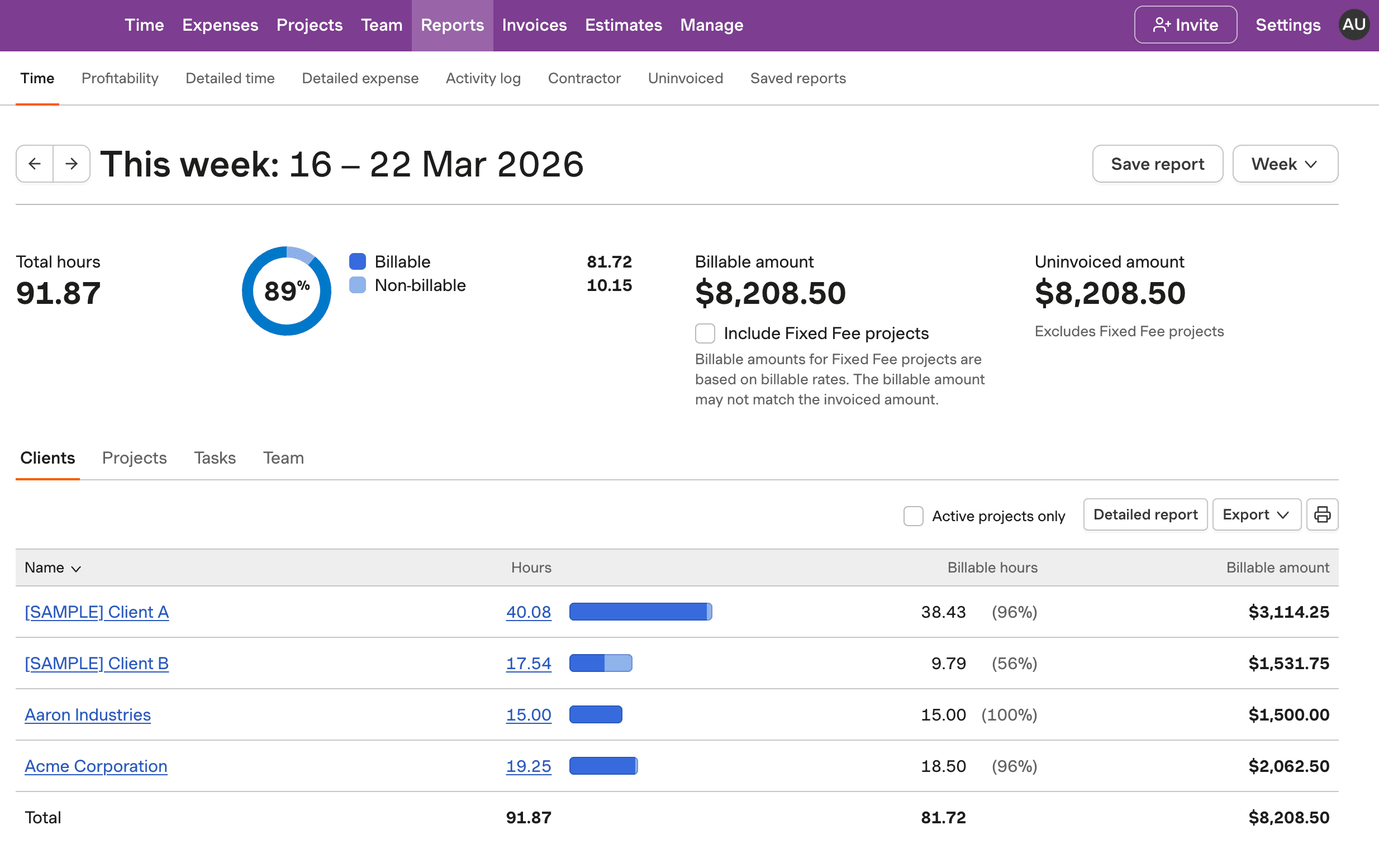
Moreover, Harvest's detailed reporting tools offer insights into billable and non-billable hours, contributing to precise cost management and profit margin calculations. The ability to track expenses and manage project budgets ensures that businesses can proactively address any financial inefficiencies.

Optimizing Pricing Strategies in the Israeli Market

To thrive in the competitive Israeli market, businesses must optimize their pricing strategies by considering local economic conditions and tax implications. Understanding the impact of VAT and corporate taxes on pricing can help businesses set competitive yet profitable prices. For instance, the upcoming VAT increase to 18% in 2025 should be factored into pricing models to avoid unexpected profit erosion.

Additionally, businesses should consider exchange rate fluctuations and local consumer behavior in their pricing strategies. By using tools like Harvest, companies can gain comprehensive insights into their financial data, enabling data-driven pricing decisions and enhancing their market positioning.

Profit Margin Calculation with Harvest

See how Harvest integrates VAT and local tax rates for precise profit margin calculations, essential for Israeli businesses.

Profit margin calculation tool by Harvest for businesses in Israel.

Profit Margin Calculator in Israel FAQs

  • When calculating profit margins in Israel, businesses consider costs such as the corporate tax rate of 23% and VAT, currently at 17% but rising to 18% in 2025. Additionally, expenses related to National Insurance and Healthcare contributions, as well as any relevant surtax, must be included.

  • Local tax regulations, including the corporate tax rate of 23% and VAT adjustments, directly impact profit margins in Israel. The "Locked Profits Law" introduces additional tax considerations for closely held companies, affecting how profits are retained or distributed.

  • Yes, Harvest can assist businesses in Israel with profit margin calculations by integrating VAT information into invoices and offering detailed reports on expenses and project budgets. This helps ensure compliance with local tax laws and optimizes financial strategies.

  • The current VAT rate in Israel is 17%, set to increase to 18% in 2025. This tax affects business costs by increasing the overall amount payable on goods and services, which must be factored into pricing strategies to maintain profitability.

  • The "Locked Profits Law" impacts closely held companies by imposing a marginal tax of up to 50% on profits exceeding a 25% profitability ratio, effective January 2025. This law encourages profit distribution and strategic financial planning to mitigate additional taxes.

  • Yes, businesses in Israel can benefit from tax incentives under the Law for the Encouragement of Capital Investments. These incentives offer reduced corporate tax rates for specific industries, such as technology, helping to enhance profitability.

  • Israeli businesses typically follow International Financial Reporting Standards (IFRS) with regional adaptations. Publicly listed companies are required to use IFRS, while many private companies still follow Israeli GAAP.

  • Yes, Harvest's invoicing tools allow for the inclusion of VAT, helping Israeli businesses accurately reflect tax obligations in their financial documents and ensure compliance with local regulations.